Latest Trip Pics


Best viewed on a Computer Screen.

For subject and location information, PAUSE your cursor over each image.


– – – – – – – – – – – – – – – – – – – BLASTS from the PAST – – – – – – – – – – – – – – – – – – –

I started out in nature photography shooting slide film, resulting in a couple of file cabinet drawers filled with 2-inch-by-2-inch mounts. Recently, I had several dozen of my slides scanned, producing digital files. Below are a few of my favorites that bring back fond memories from years past:

October 1992
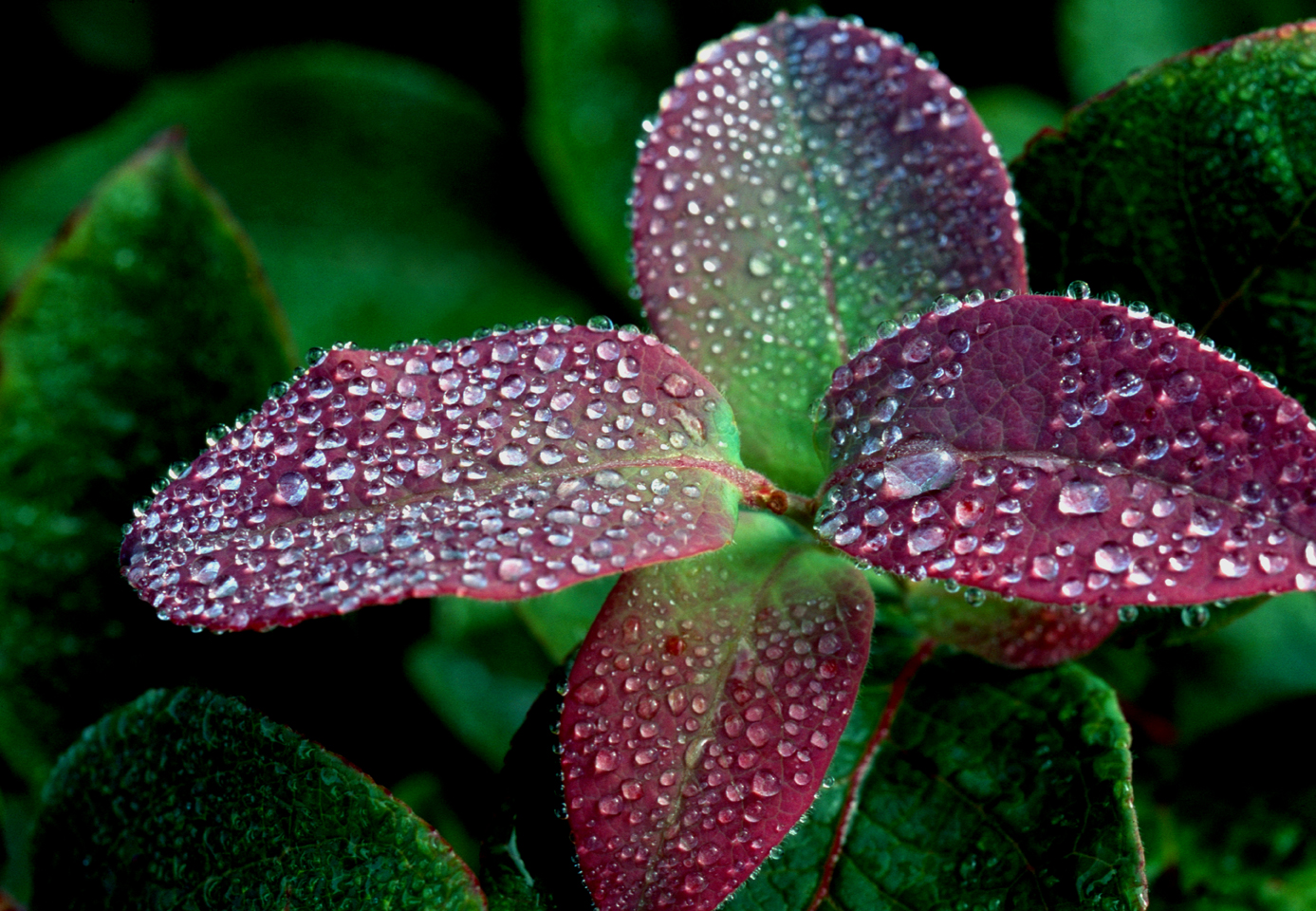
Dew on blueberry leaves  -  Blue Ridge Parkway, North Carolina

I don’t remember exactly where on the Blue Ridge Parkway this shot
was taken. But I do remember feeling blessed that I was able
to be there before the sun had time to evaporate the drops of dew.


August 1995
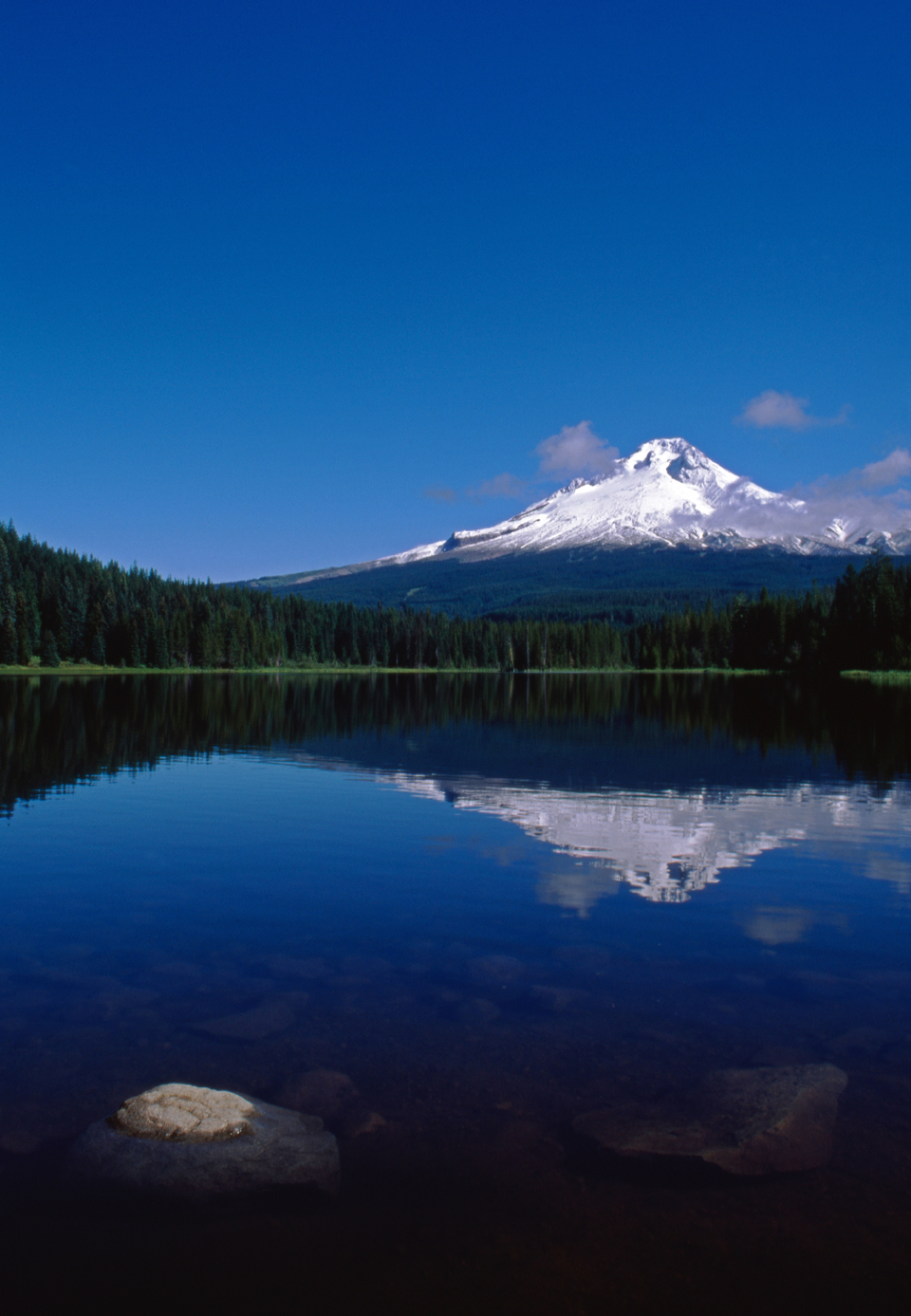
Mt. Hood, reflection in Trillium Lake  -  Mt. Hood National Forest, Oregon

This photo was taken during what Jean and I called our “Volcanoes Vacation”
when we visited Mt. Ranier National Park, Crater Lake National Park,
Mt. St. Helens National Volcanic Monument, and Mt. Hood.
Being at Mt. Hood brought back strong memories of being there in 1973
and climbing this beautiful but very challenging peak with three other guys.


September 1996
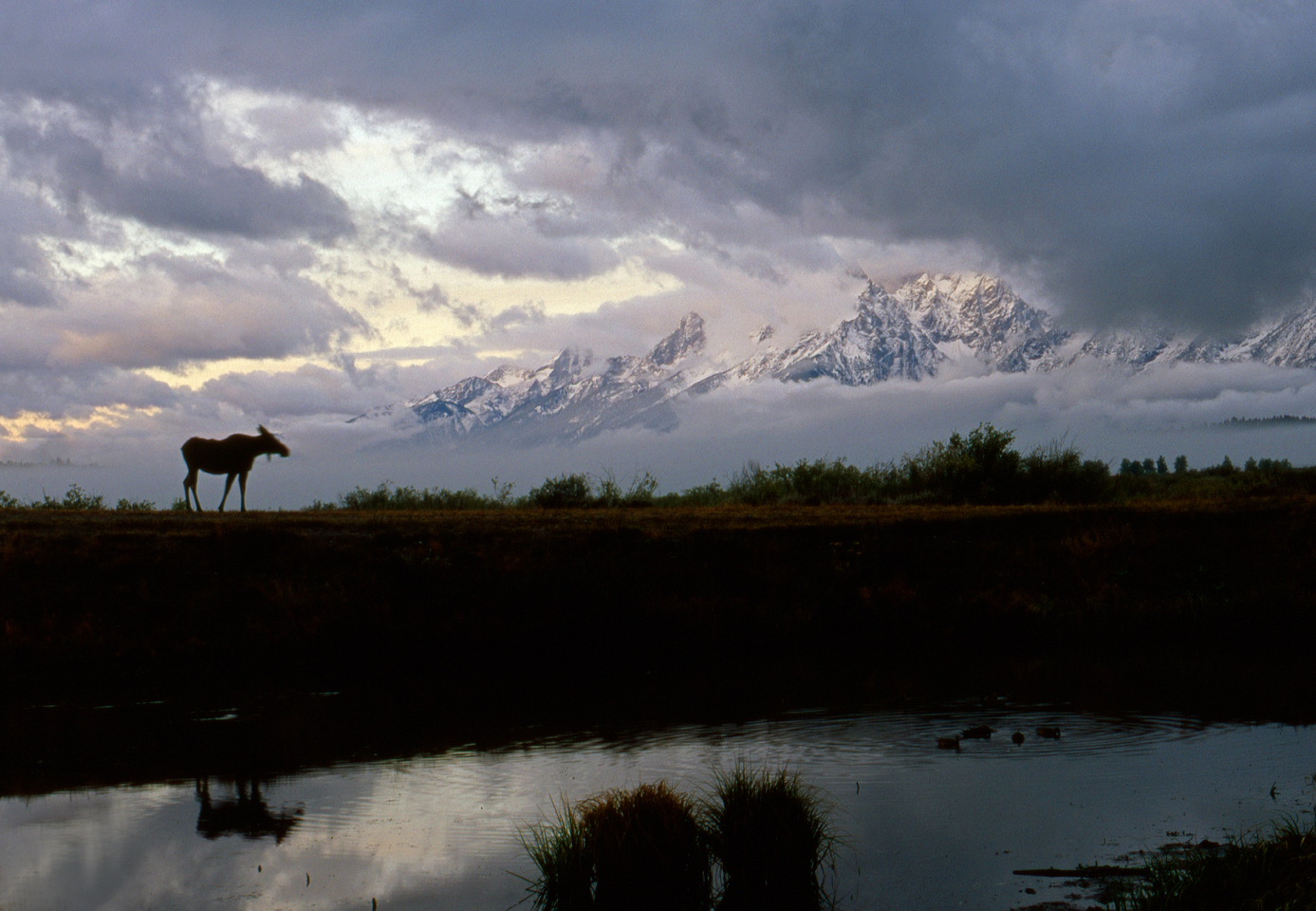
Early morning light, Moose, the Teton Range after an overnight snow storm  -  Grand Teton National Park, Wyoming

Jean and I spent eight days in the Tetons and Yellowstone during
mid-September – and it snowed four of those days! I had gone out
early to photograph. At first, all of the mountains were in the clouds.
Then, as the clouds began to dissipate, I saw this moose ambling along.
I pulled off the road just south of Willow Flats Overlook, set up
and took this shot before this majestic animal wandered down the bank.


May 1998
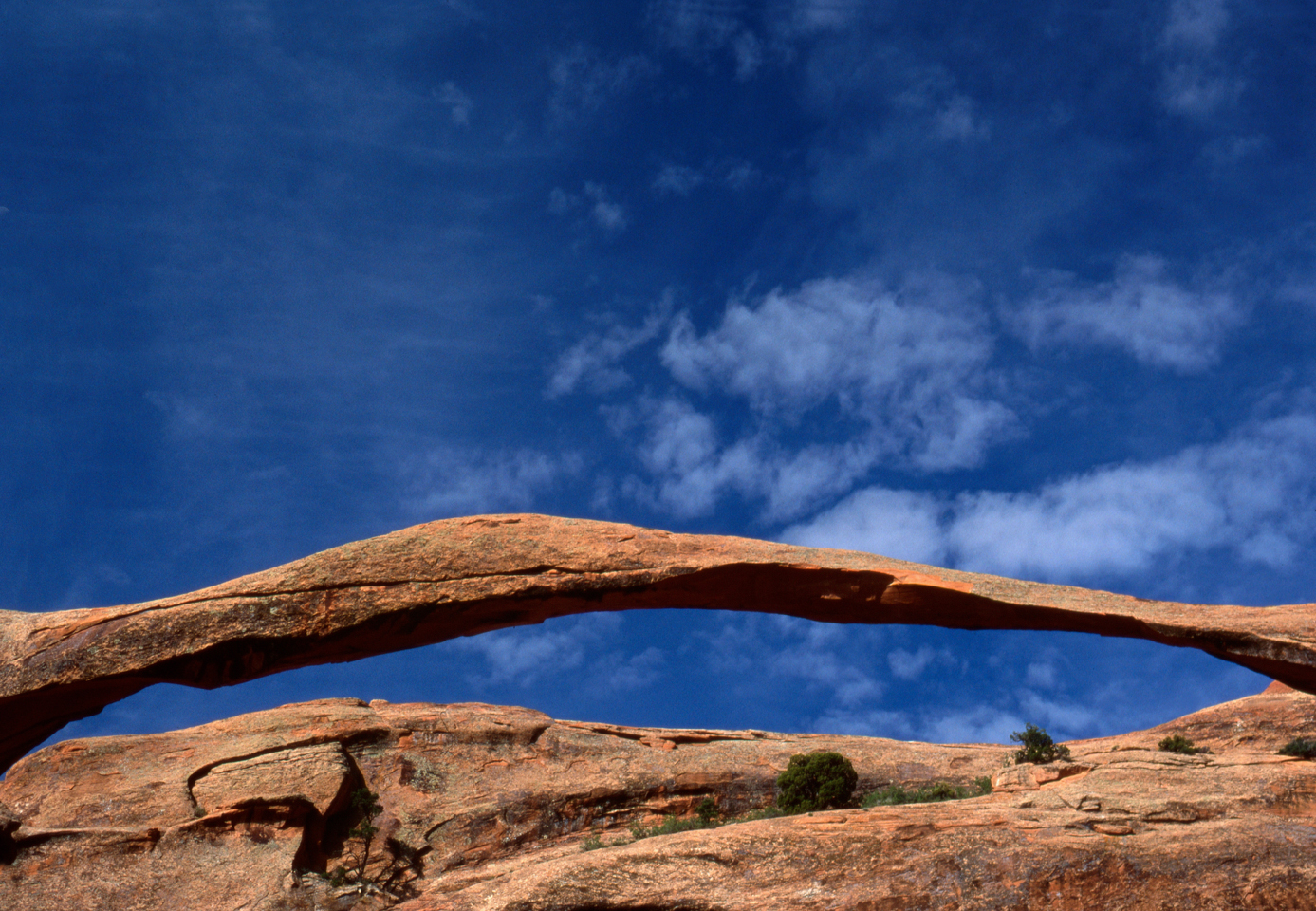
Landscape Arch  -   Devils Garden Trail, Arches National Park, Utah

I first visited Arches National Park in the early 1970s, not too long
after it became a national park. Having the largest collection
of natural arches on the planet, Arches is a special place.
Landscape Arch, at 290.1 feet, is the longest natural
stone arch in North America and 5th longest in the world.
Rockfalls from the arch – one in 1991 and two in 1995 – have
closed the trail that went beneath Landscape Arch.


July 1999
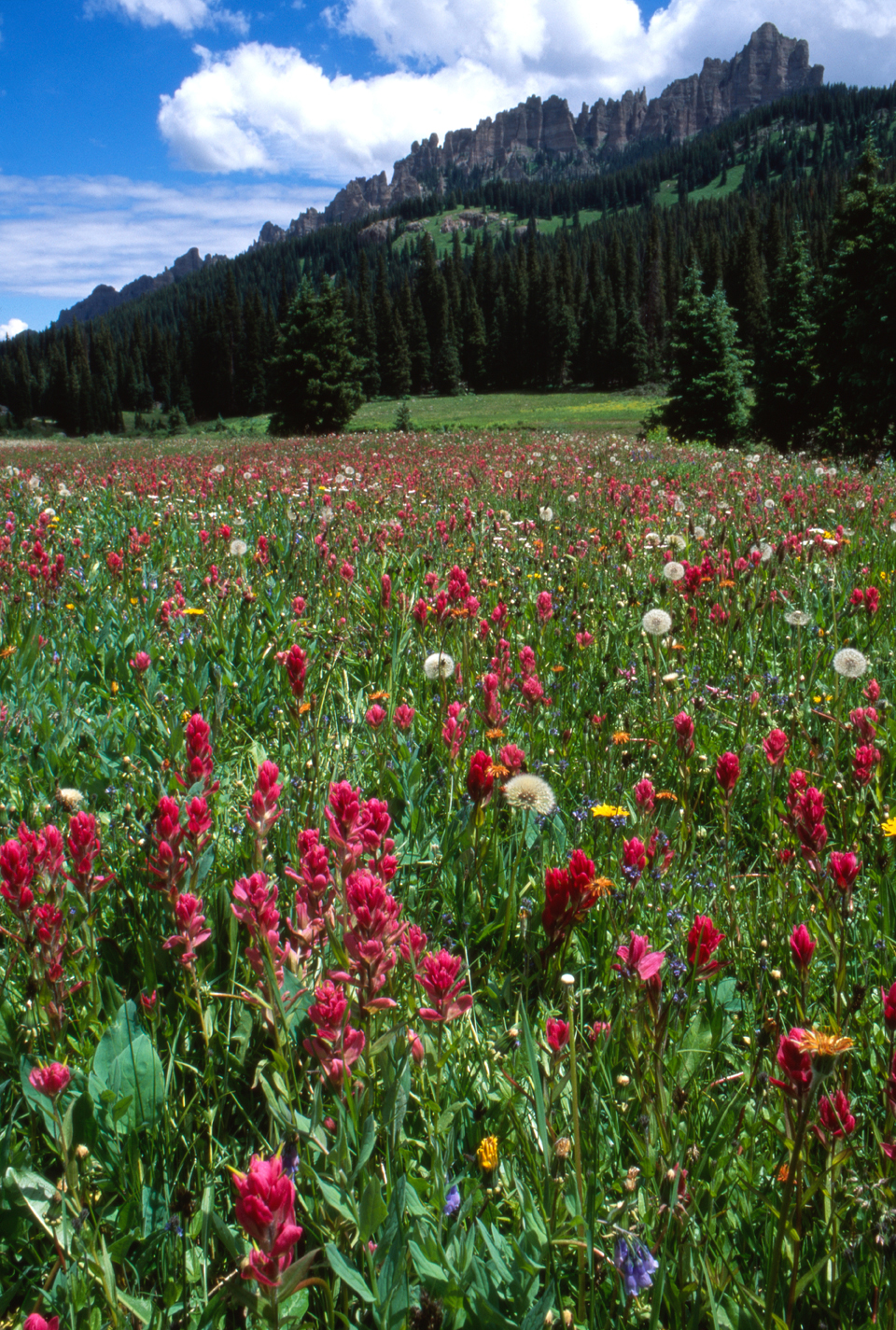
Field along the West Fork of the Cimarron River with Indian paintbrush (pink) and other wildflowers, Turret Ridge  -  Forest Road 860, Uncompahgre National Forest, Colorado

This field was covered with stunning wildflowers, outnumbered
only by the mosquitoes that thought we were present for their benefit.
Jean stood behind me swatting the voracious insects off of us
as I tried to compose the shot and click the shutter.
This location was so well-known that it was a photo destination
for field trips led by professional photographers. But no more.
The National Forest Service allowed cattle to be brought in and
graze this area. The last time Jean and I paid a summer visit
to this area in 2012, we did not see a single bloom.


April 2000
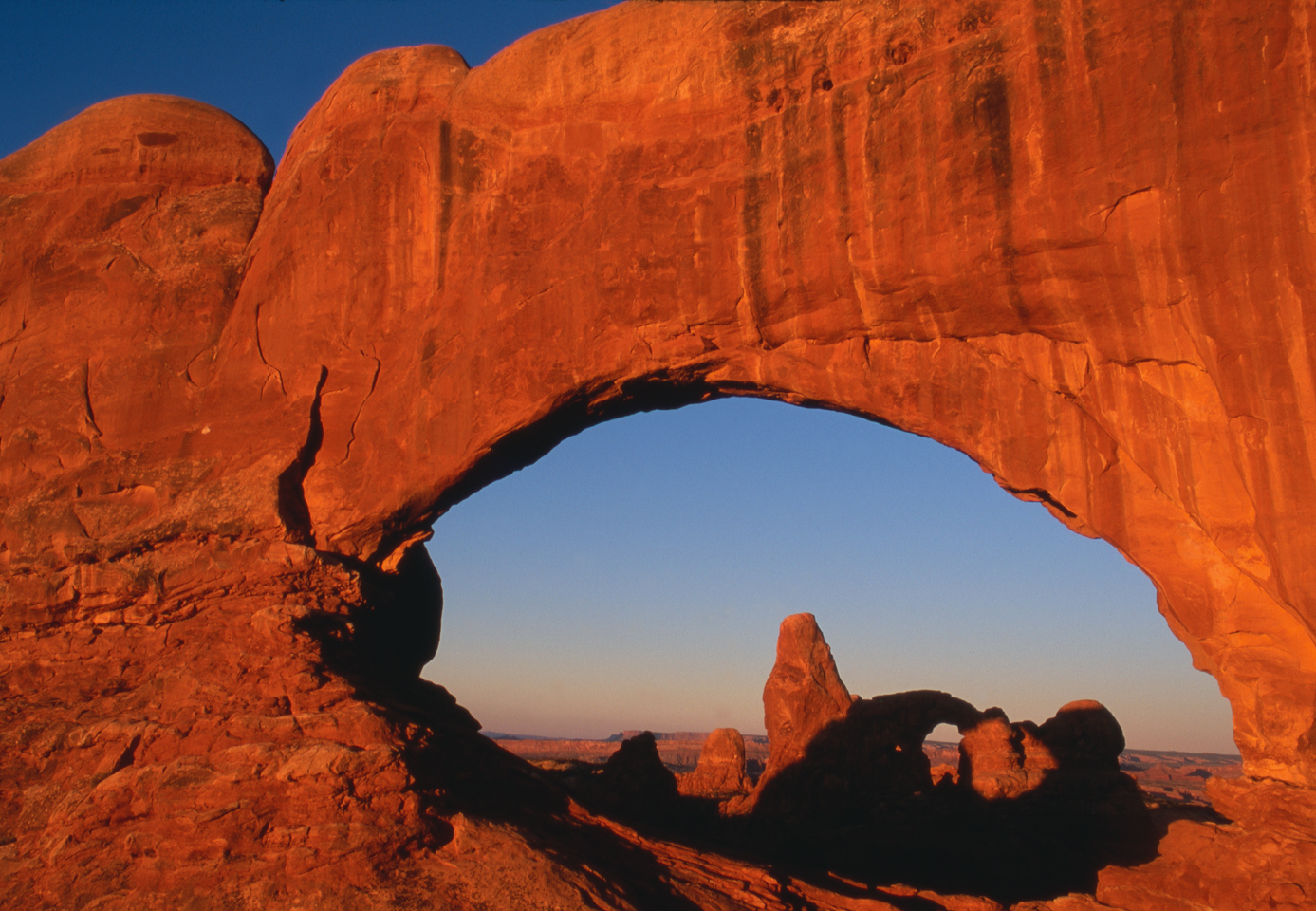
Turret Arch through North Window at sunrise  -  Windows Section, Arches National Park, Utah

This photograph required driving to the Windows Section of
Arches National Park in pre-dawn light, hiking up and through North Window,
down the other side, and then rock climbing with my equipment
to the spot where I had this view. All of this effort was necessary to be
positioned in the right spot at the right time for the early morning sun.
This is such a popular shot that one professional photographer,
with tongue firmly planted in his cheek, quipped,
“You will know you’re in the right spot when you look down
and see holes for your tripod feet .”


– – – – – – – – – – – – – – – – – SOUTH CAROLINA – – – – – – – – – – – – – – – – –

[May – June 2026]
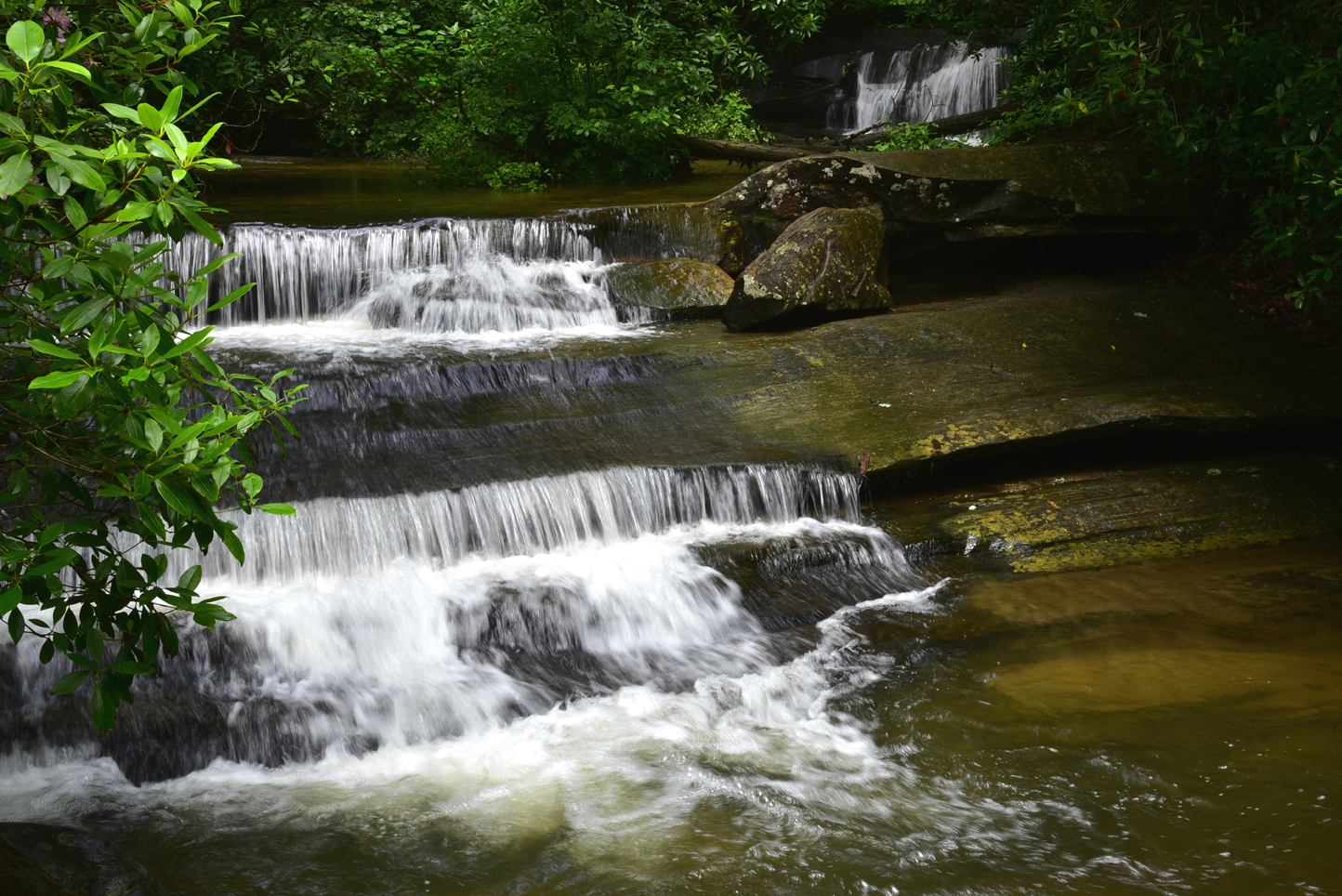
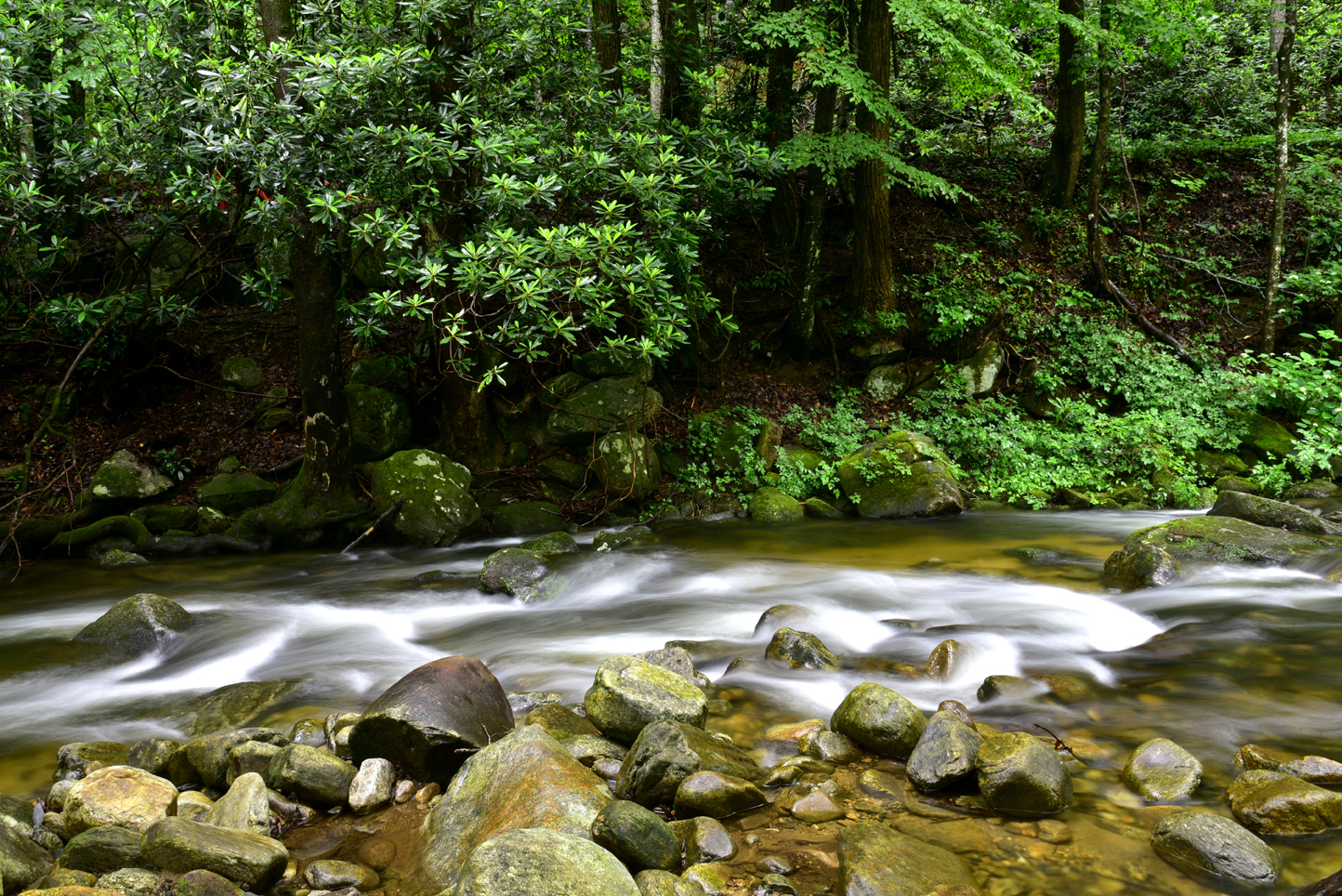
Cascades on Carrick Creek  -  Carrick Creek Trail, Table Rock State Park, South Carolina

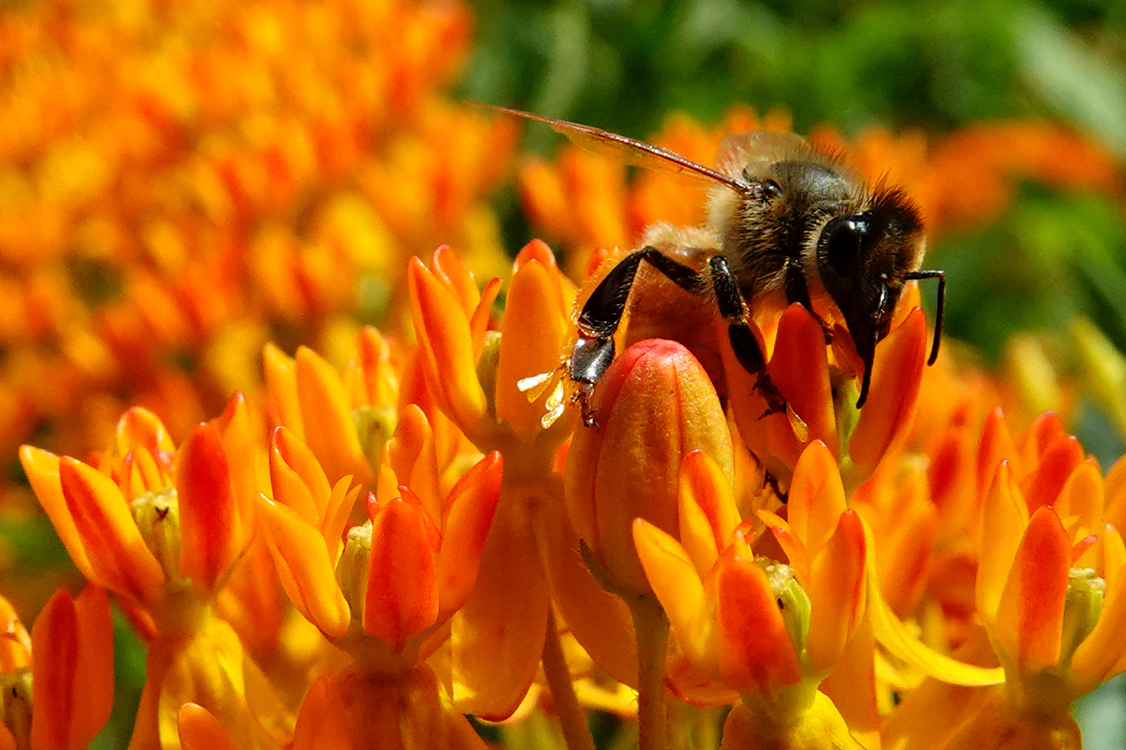
Bumblebee on butterfly weed  -  Furman University,  Greenville, South Carolina


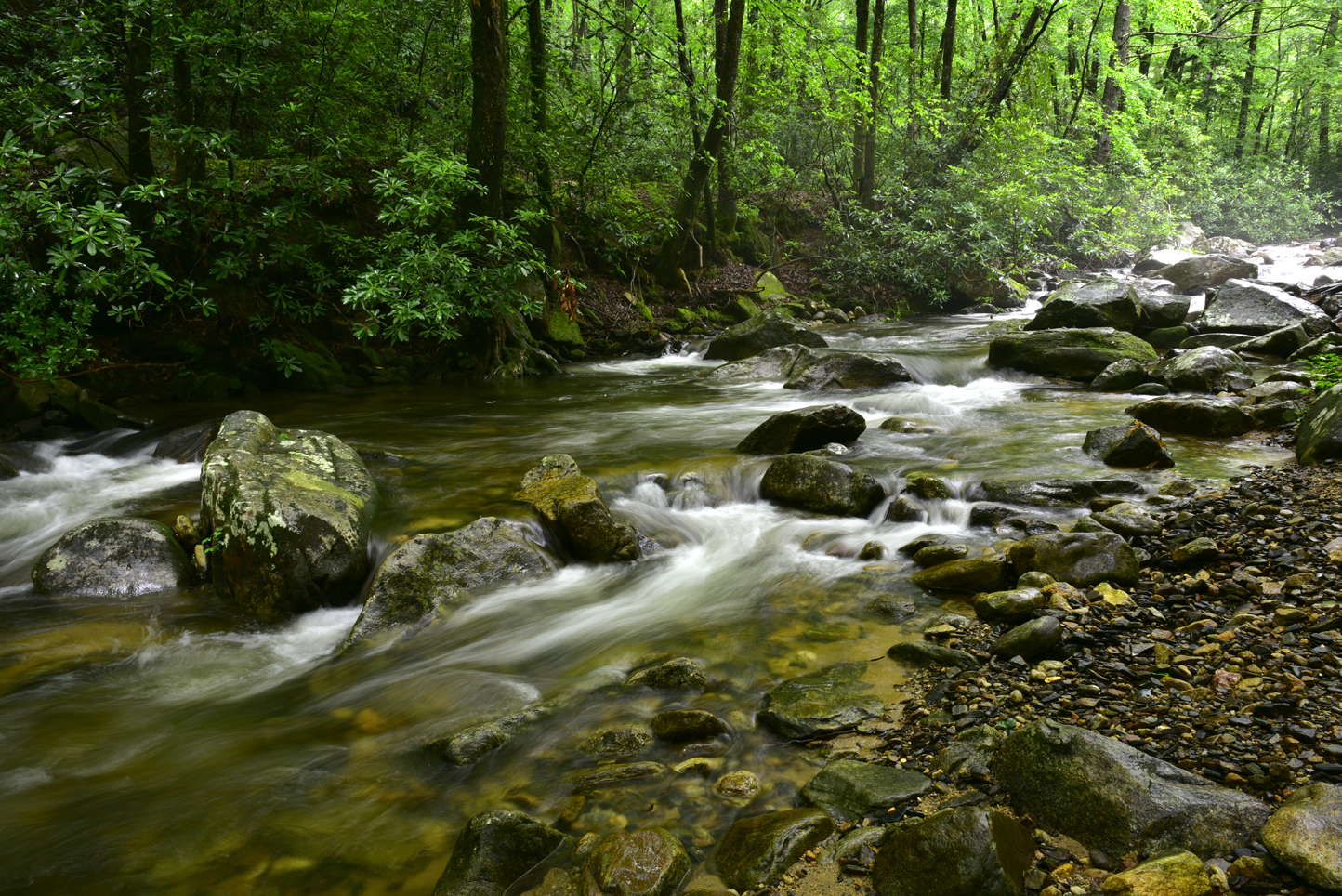
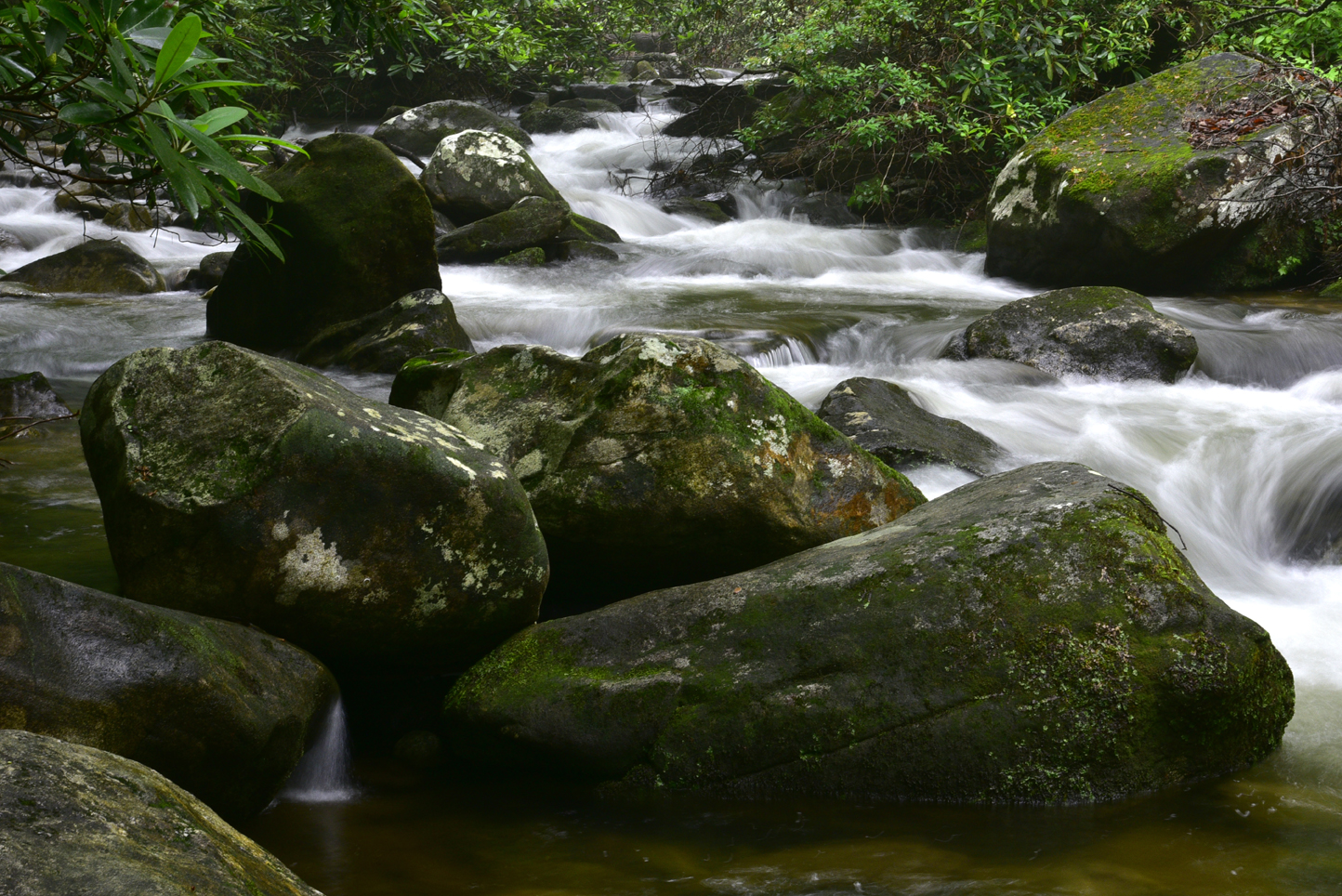
&spspspsp;Cascades on the Middle Saluda River  -  Jones Gap State Park, Mountain Bridge Wilderness Area, South Carolina&spspspsps;Cascades on the Middle Saluda River  -  Jones Gap State Park, Mountain Bridge Wilderness Area, South Carolina

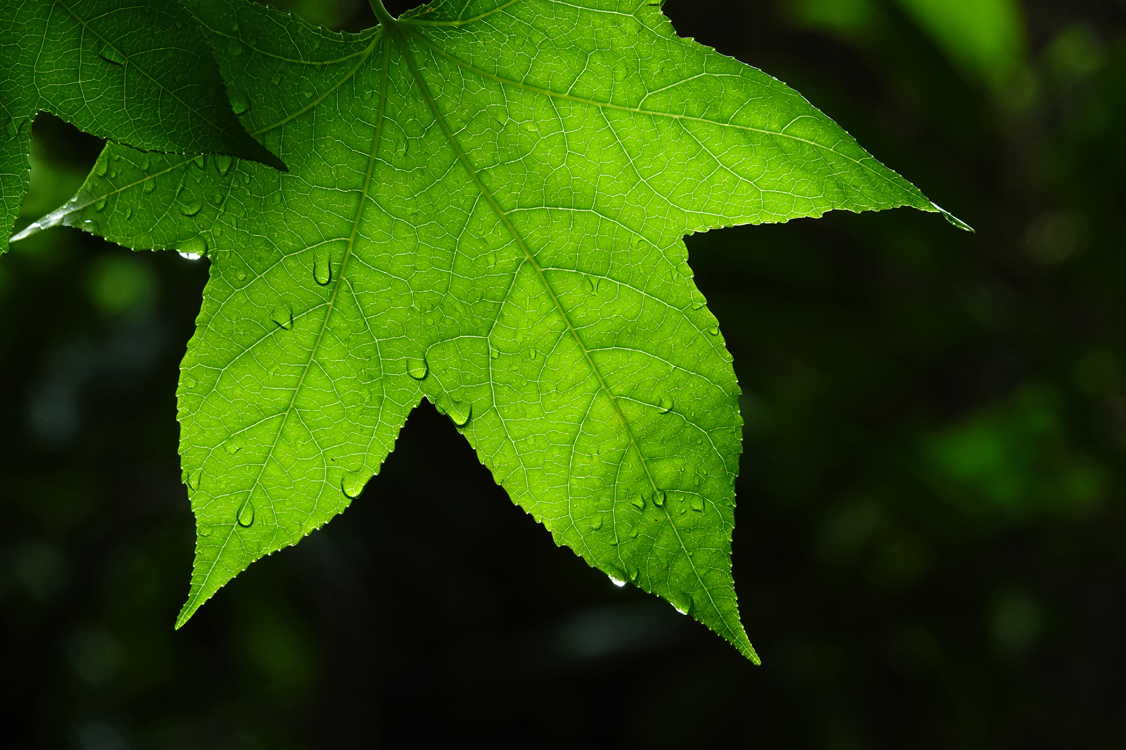
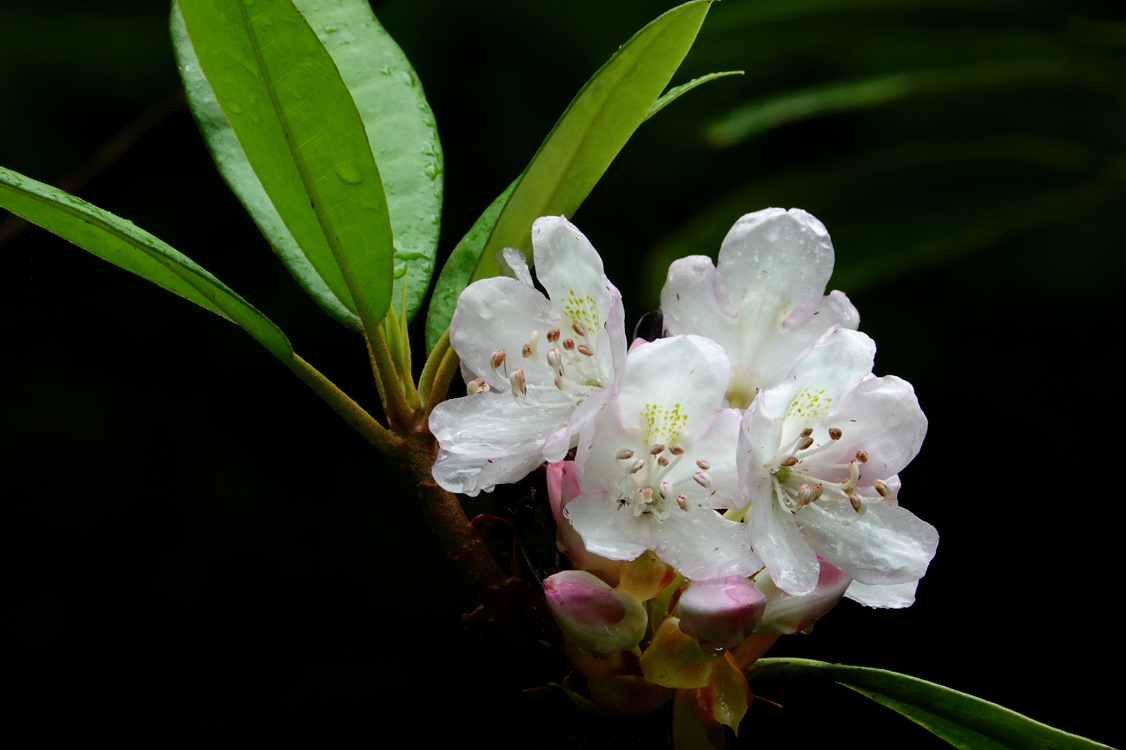
&spspspsp;Raindrops on a backlit maple leaf  -  Jones Gap State Park, Mountain Bridge Wilderness Area, South Carolina&spspspsps;Great laurel rhododendron  -  Jones Gap Trail, Jones Gap State Park, Mountain Bridge Wilderness Area, South Carolina

Cascades on the Middle Saluda River  -  Jones Gap State Park, Mountain Bridge Wilderness Area, South Carolina


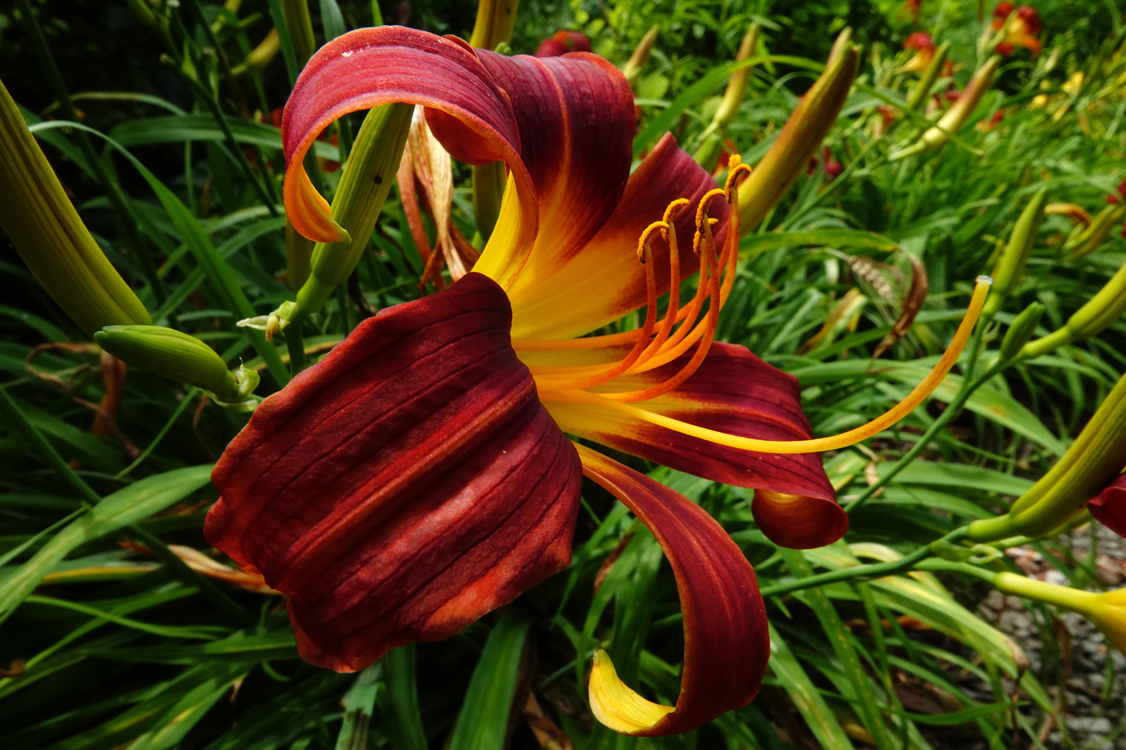
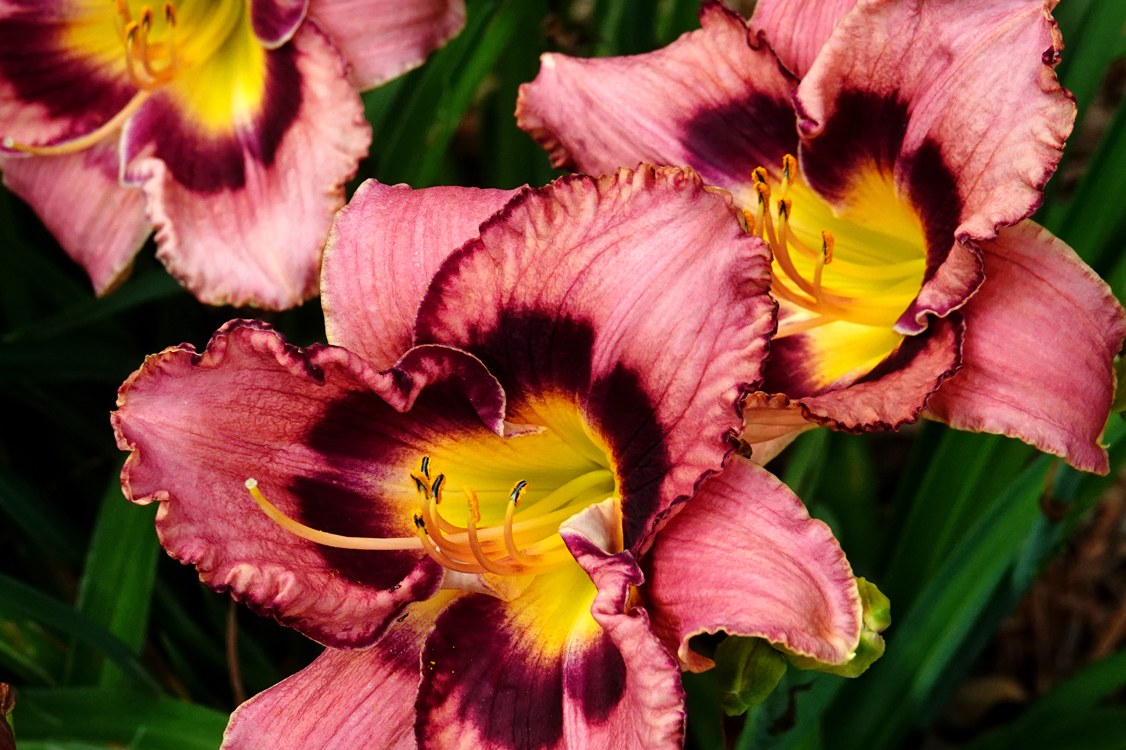
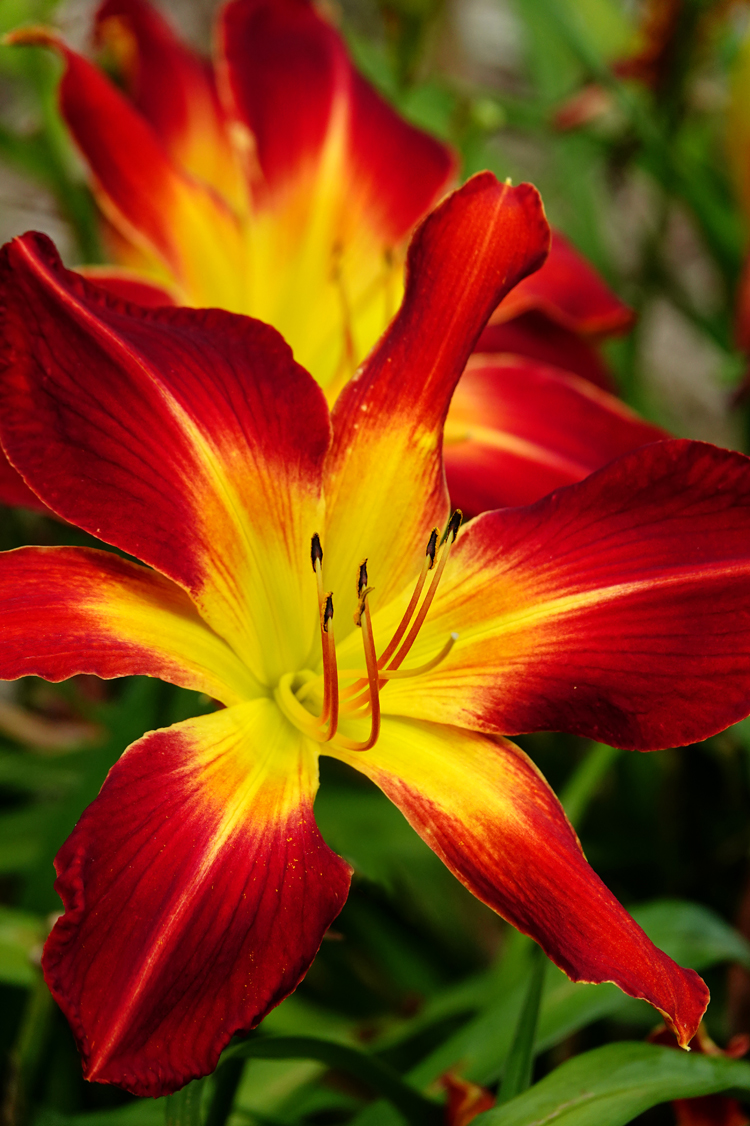
&spspspsp;Daylily  -  Furman University, Greenville, South Carolina&spspspsps;Daylilies  -  Furman University, Greenville, South Carolina


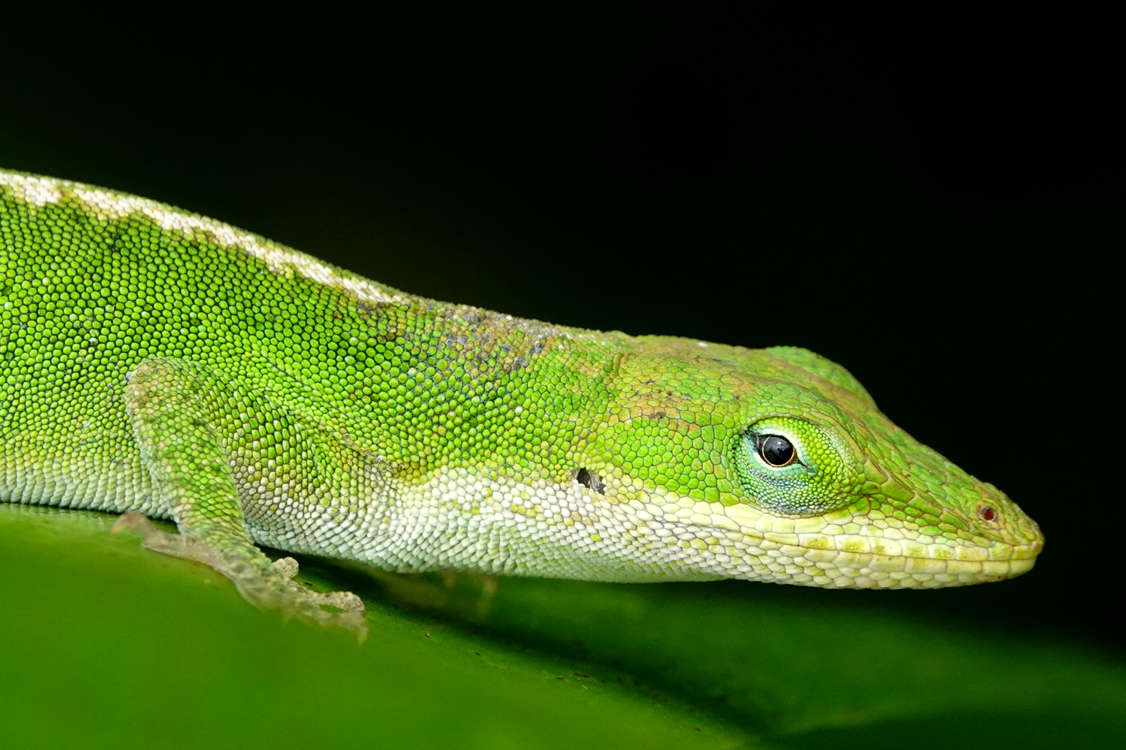
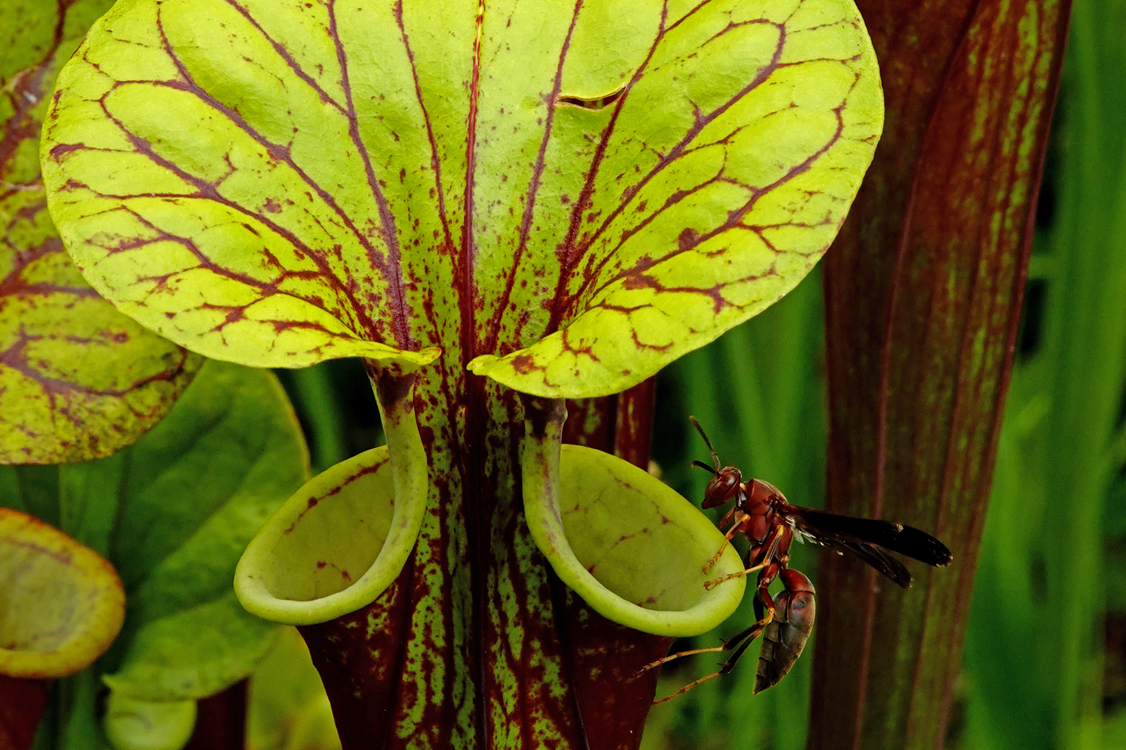
&spspspsp;Green anole close-up  -  South Carolina Botanical Garden, Clemson, South Carolina&spspspsps;'Should I or shouldn't I?'  Wasp at the opening of a Sarracenia pitcher plant  -  South Carolina Botanical Garden, Clemson, South Carolina

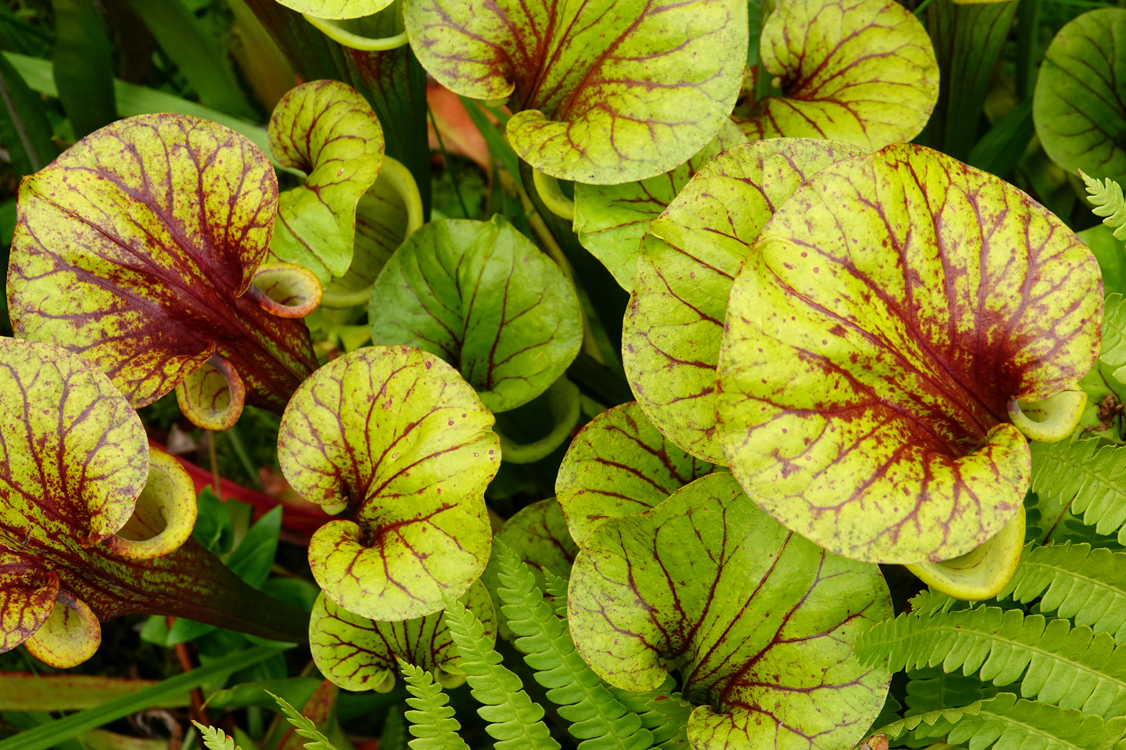
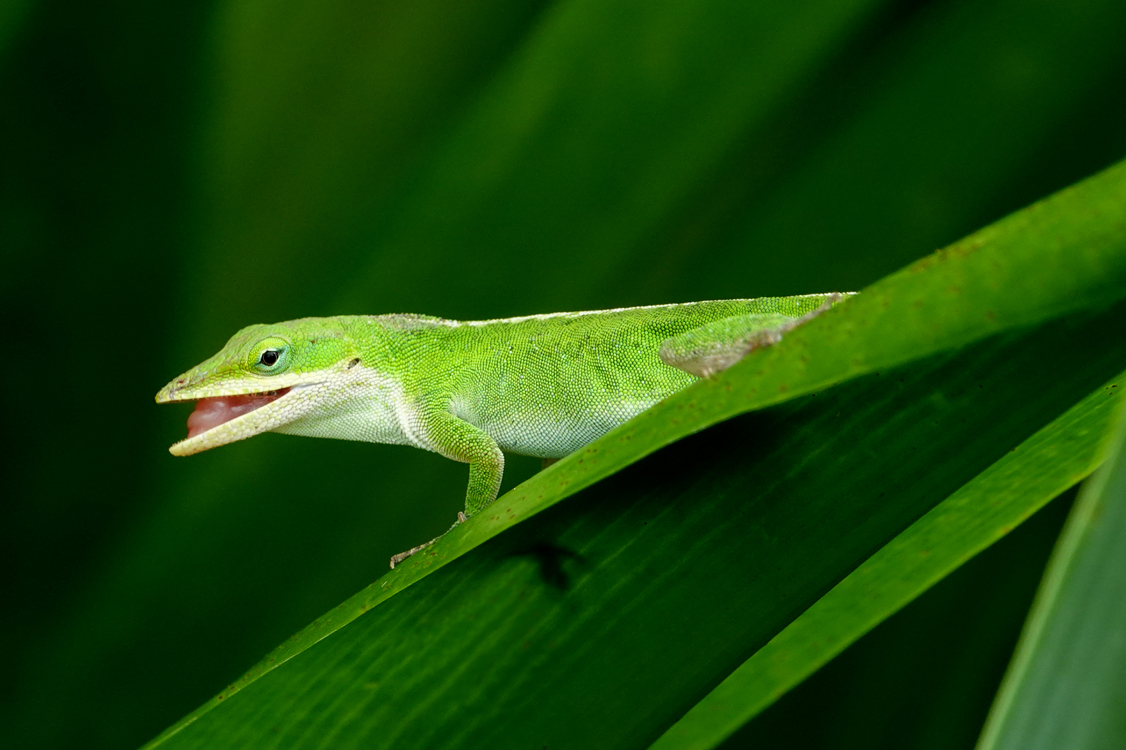
&spspspsp;Sarracenia pitcher plants   -  South Carolina Botanical Garden, Clemson, South Carolina&spspspsps;Green anole after just capturing a gnat  -  South Carolina Botanical Garden, Clemson, South Carolina


Daylilies  -  South Carolina Botanical Garden, Clemson, South Carolina


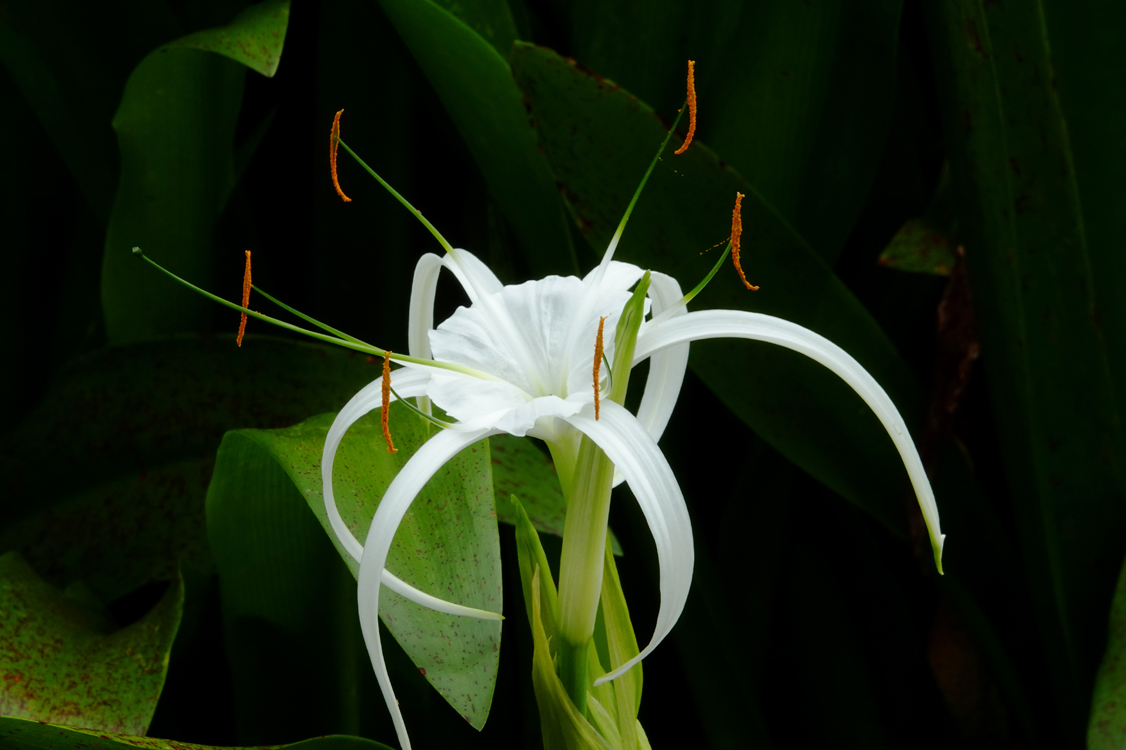
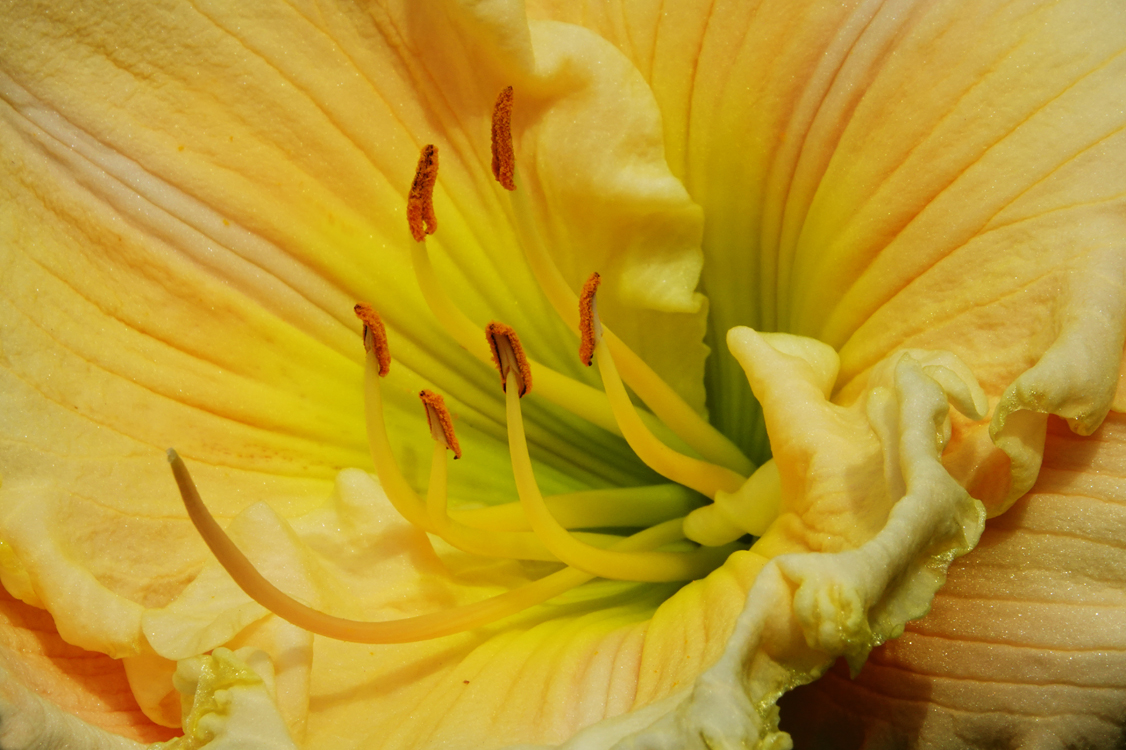
&spspspsp;Spider lily  -  South Carolina Botanical Garden, Clemson, South Carolina&spspspsps;Daylily close-up  -  South Carolina Botanical Garden, Clemson, South Carolina

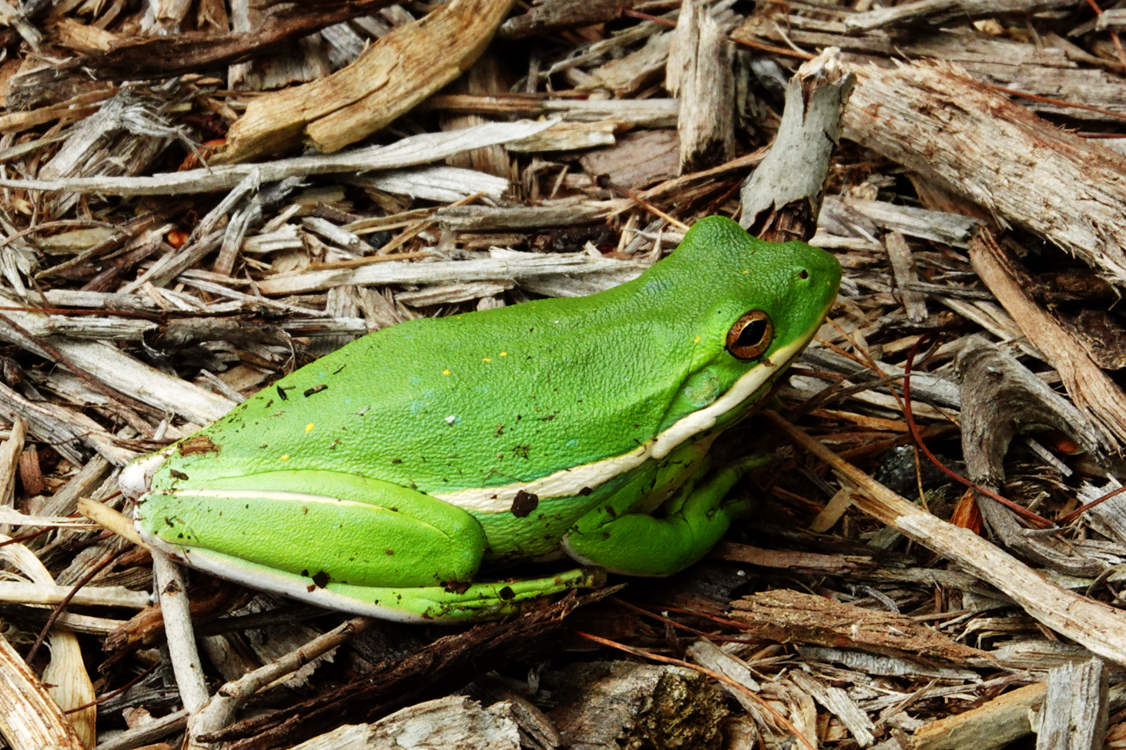
American green tree frog  -  Greenville County, South Carolina


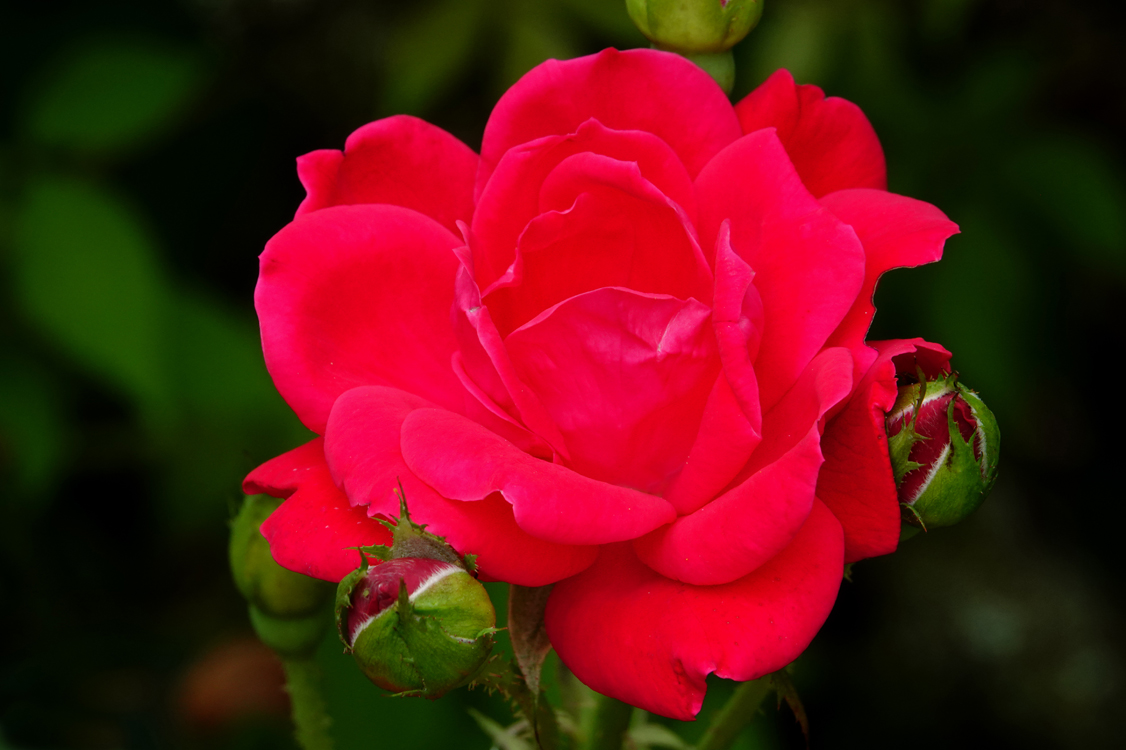
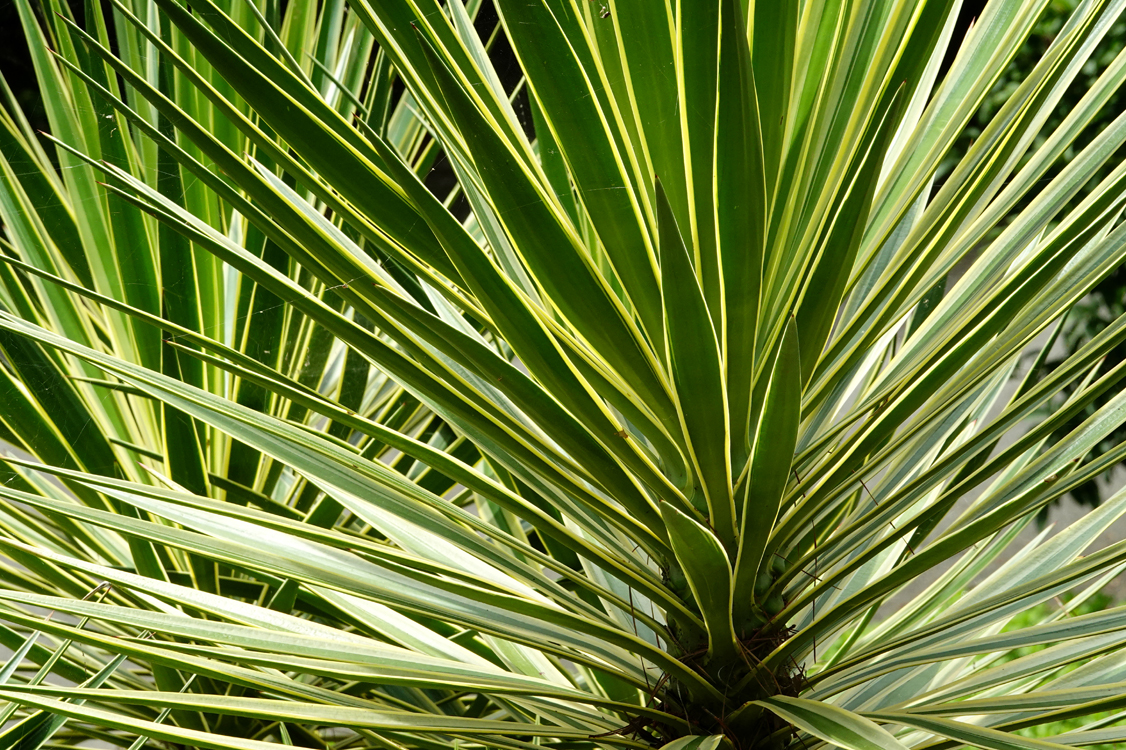
&spspspsp;Rose  -  South Carolina Botanical Garden, Clemson, South Carolina&spspspsps;'Bright Edge' Adams needle yucca  -  South Carolina Botanical Garden, Clemson, South Carolina


– – – – – – – – – – – – – – – – – TENNESSEE – – – – – – – – – – – – – – – – –

[April 2026]


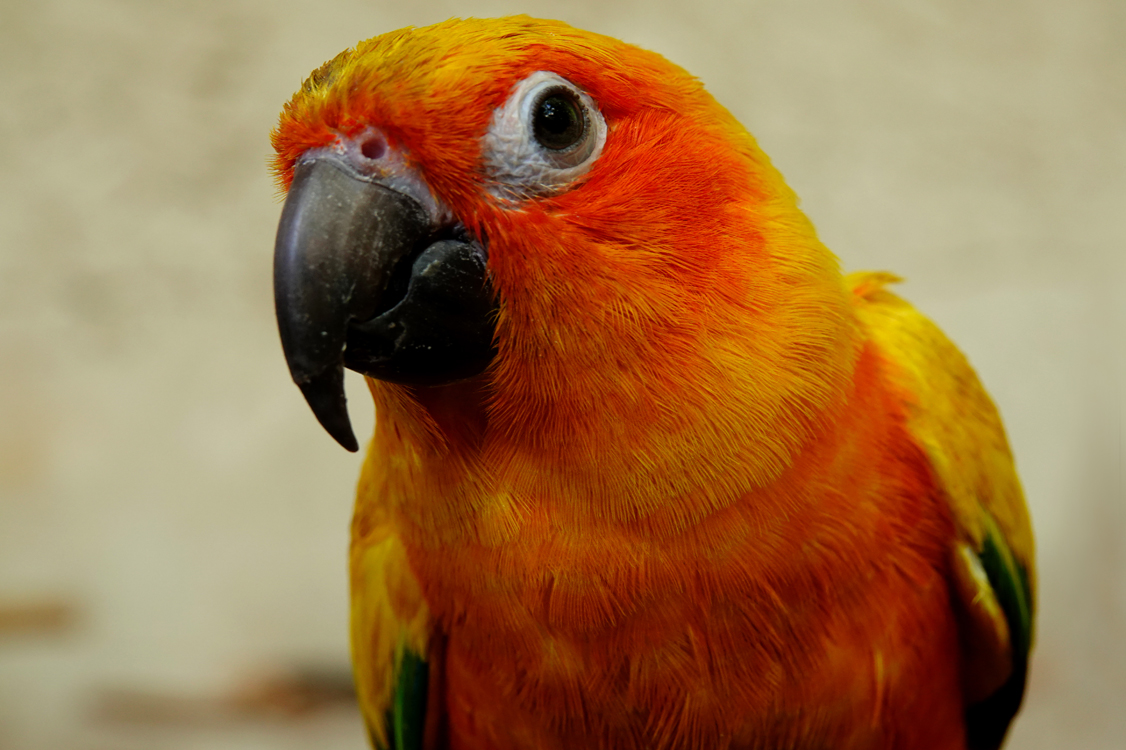
&spspspsp;Citron-crested cockatoo  -  Parrot Mountain, Pigeon Forge, Tennessee&spspspsps;Sun conure  -  Parrot Mountain, Pigeon Forge, Tennessee
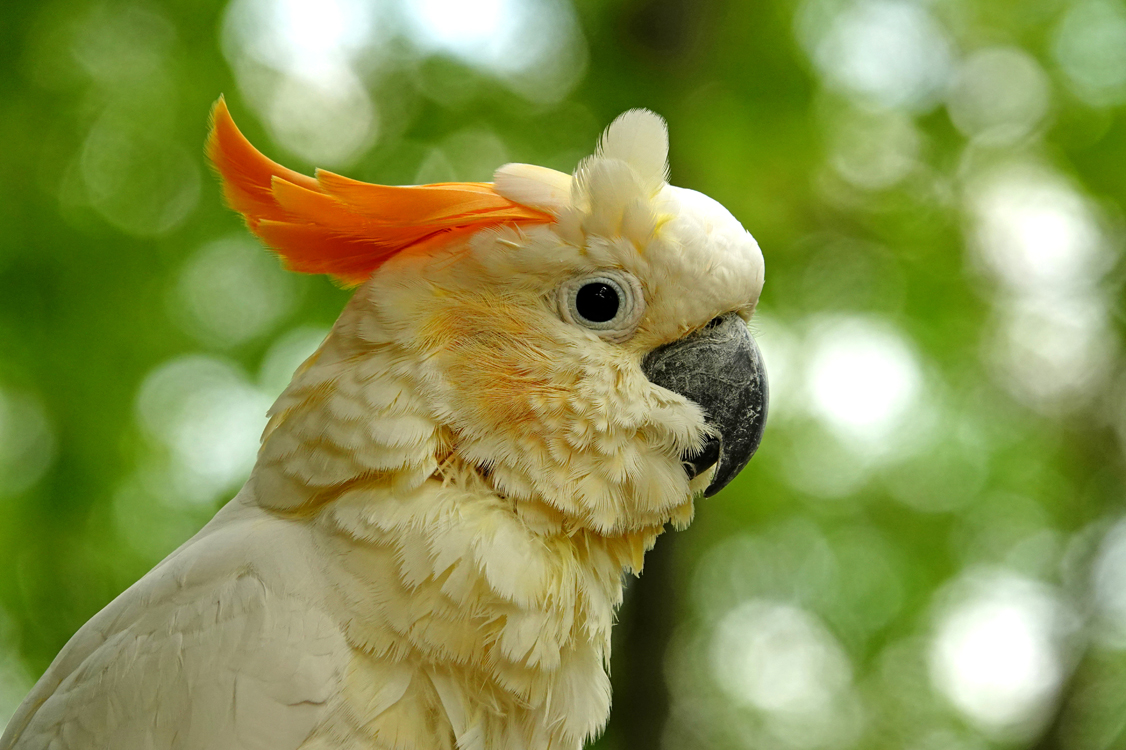

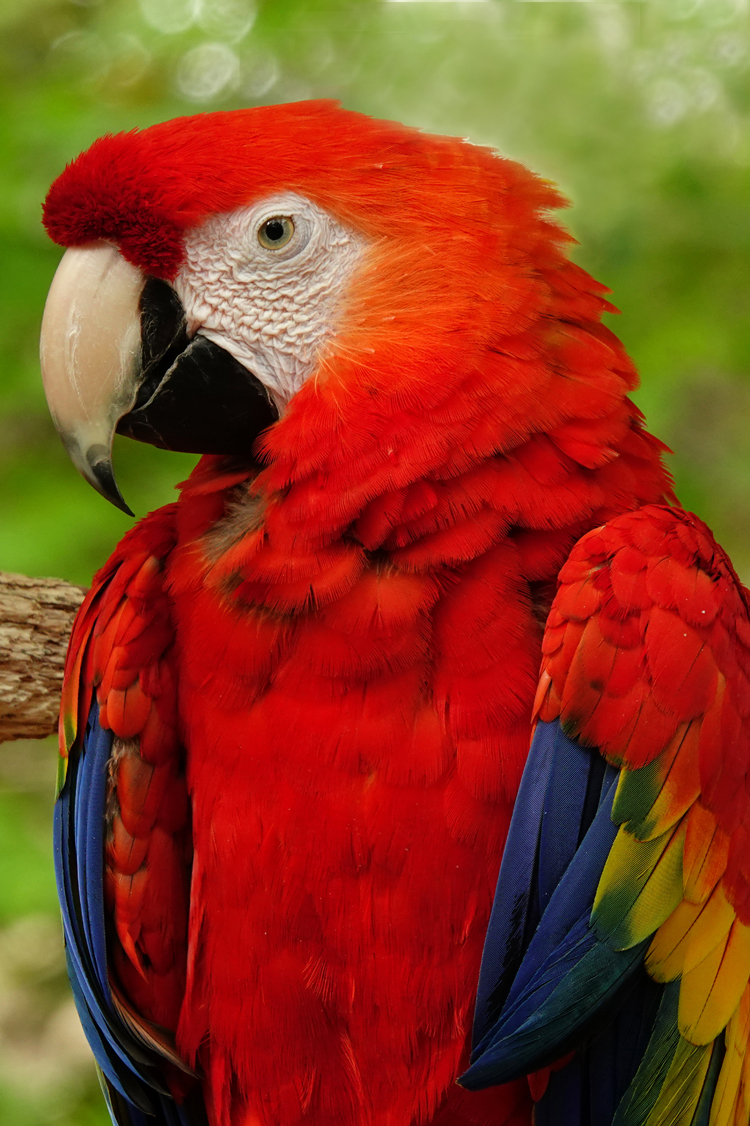
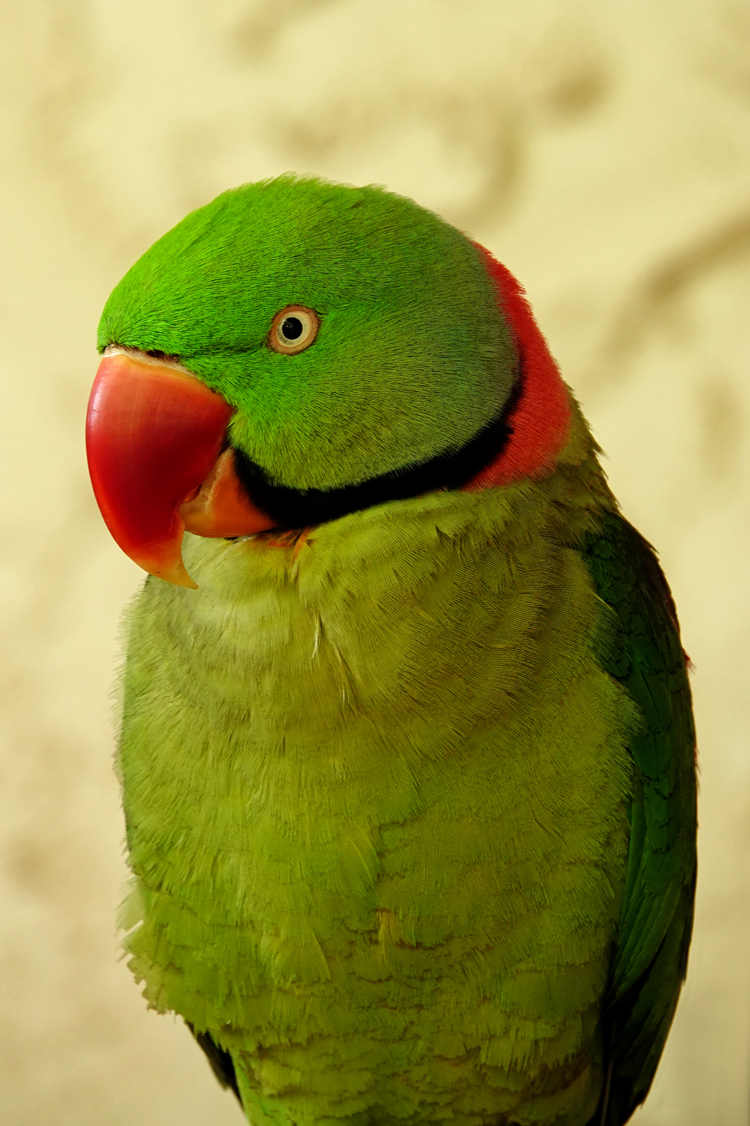
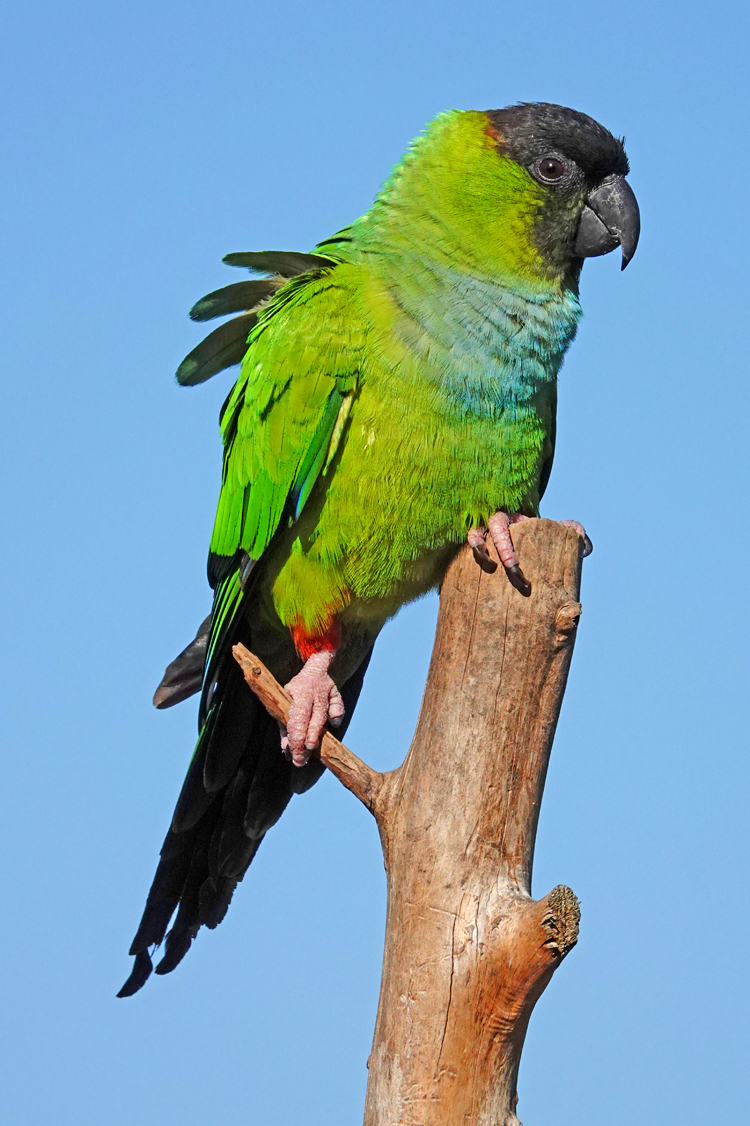
&spspspspspspspsps;Scarlet macaw  -  Parrot Mountain, Pigeon Forge, Tennessee&pspspspsps;Indian ringneck parrot  -  Parrot Mountain, Pigeon Forge, Tennessee

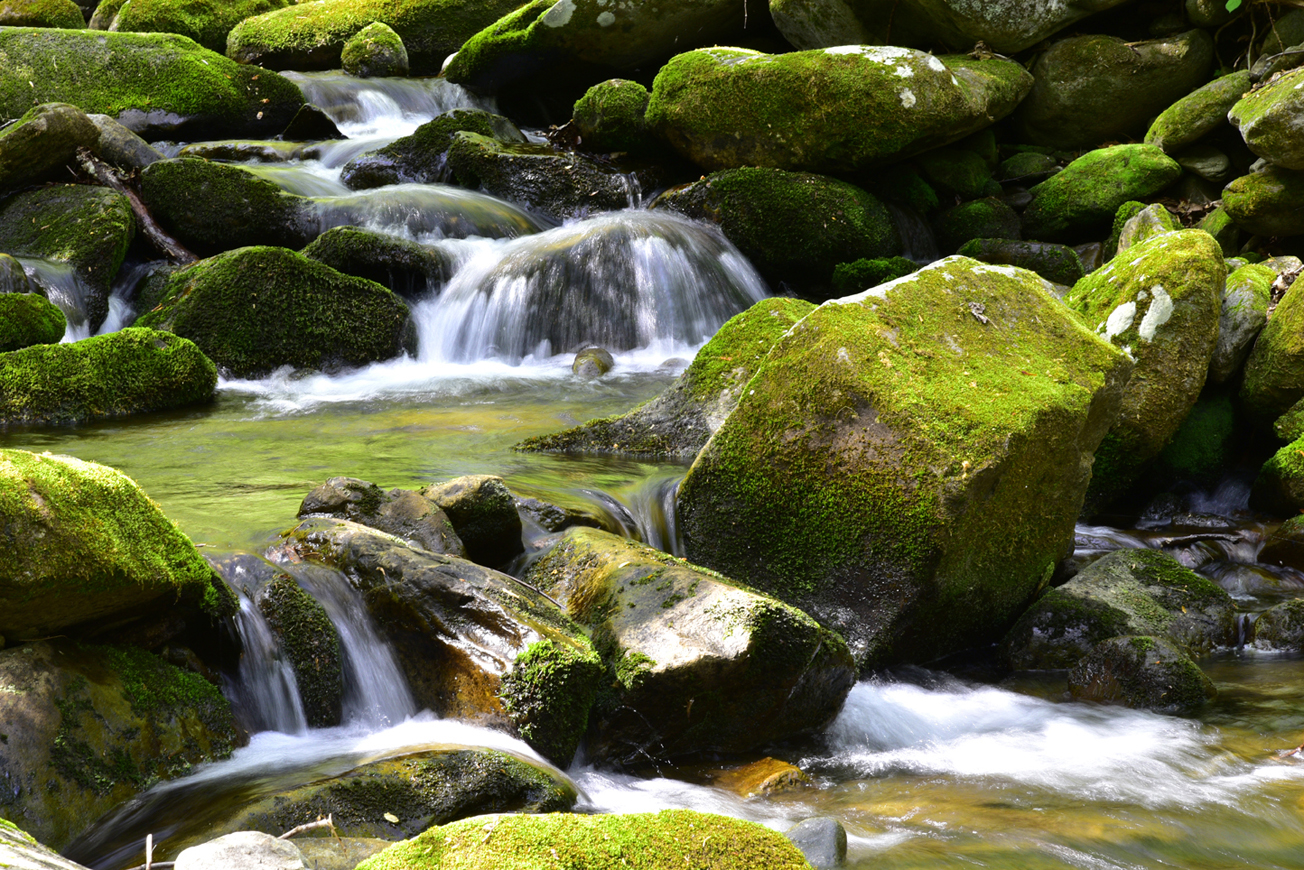
Cascades on LeConte Creek  -  Bud Ogle Place, Great Smoky Mountains National Park, Tennessee


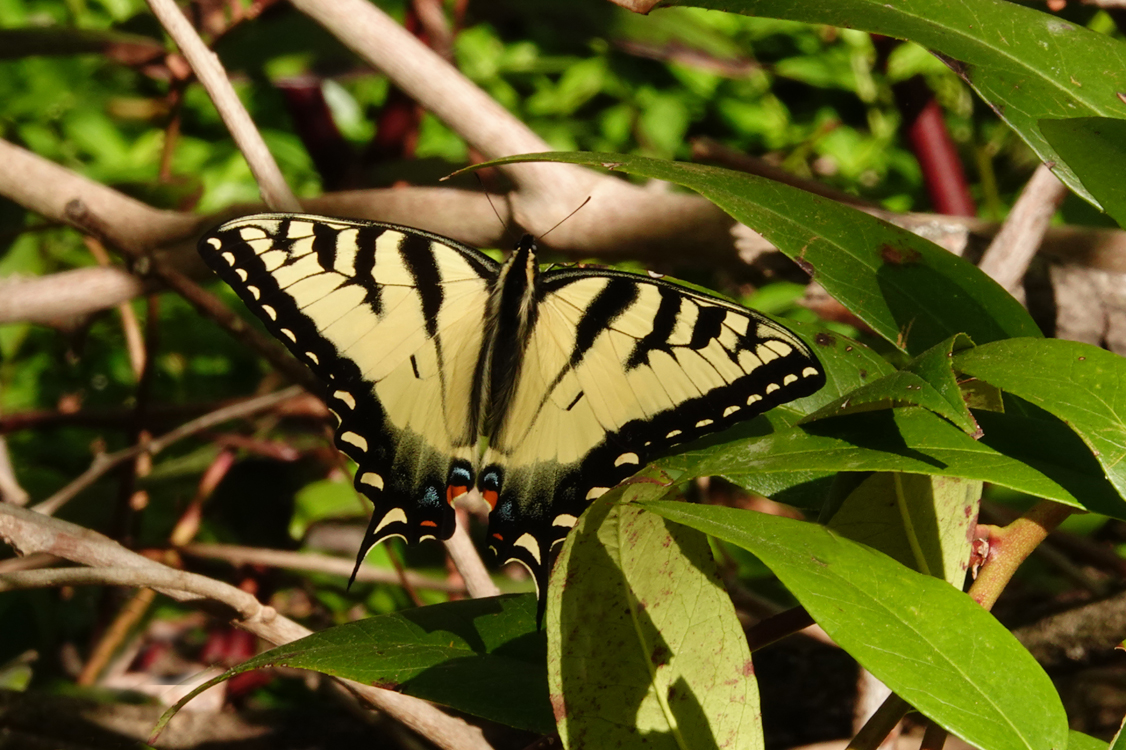
&spspspsp;Tiger swallowtail butterfly  -  Bug Ogle Place, Great Smoky Mountains National Park, Tennessee&spspspsps;


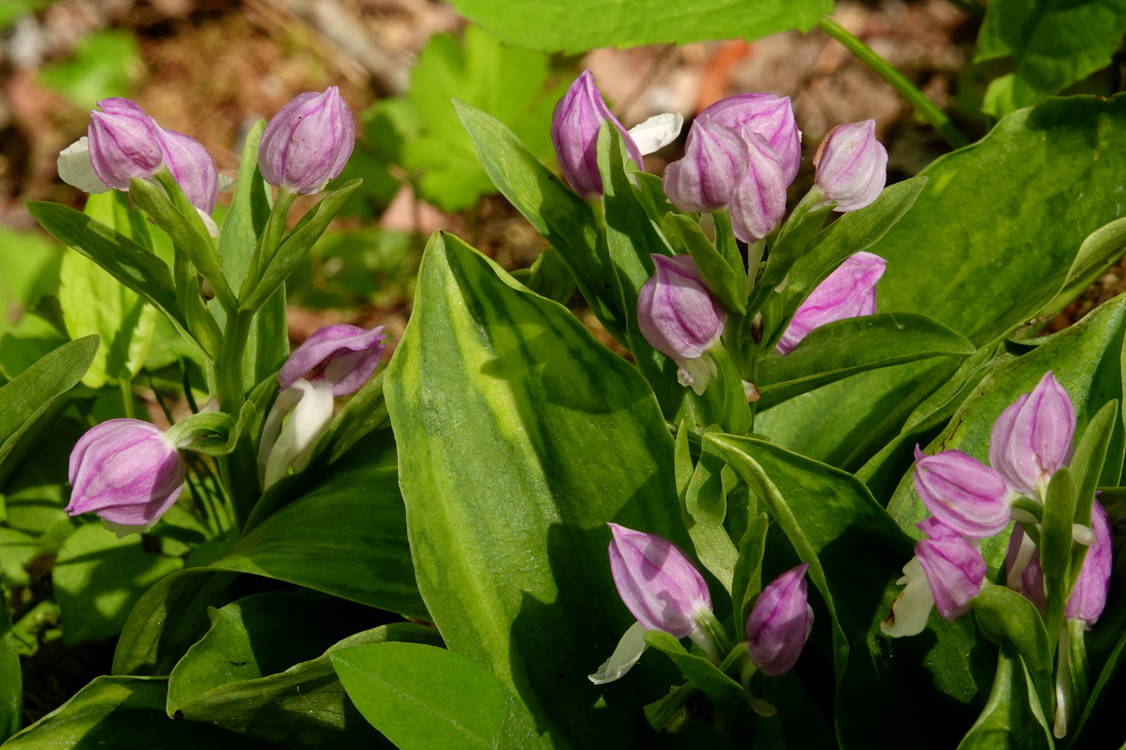
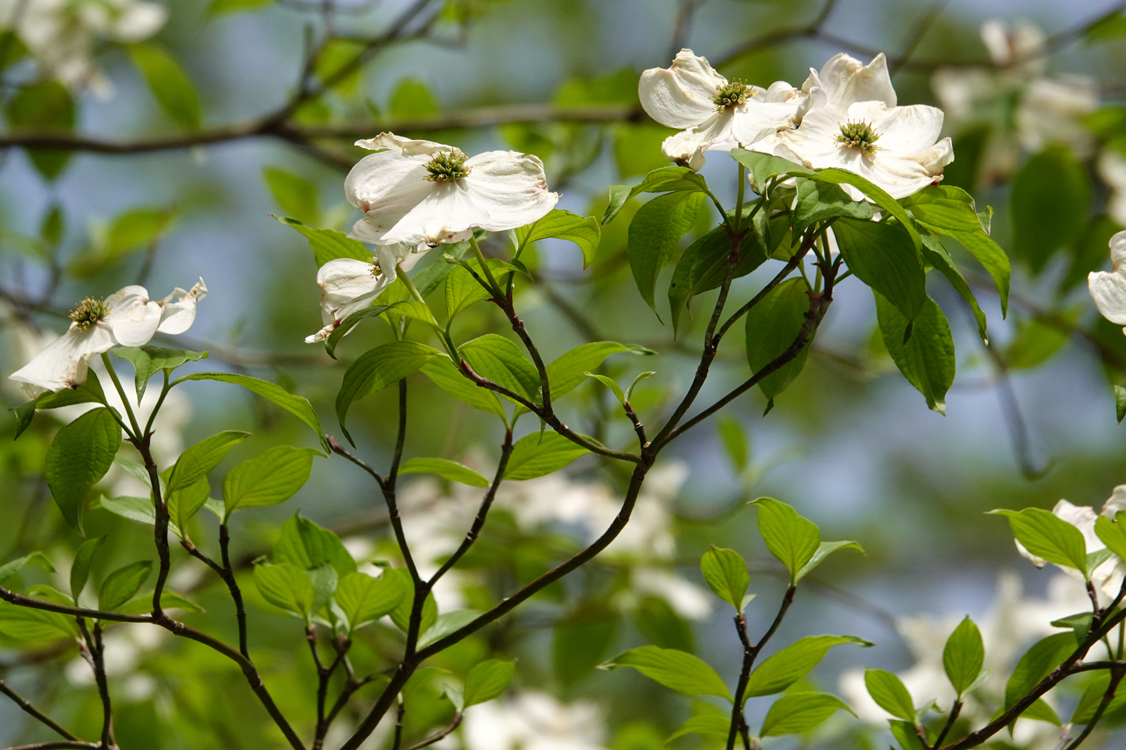
&spspspsp;Showy orchis  -  Little River Trail, Elkmont Area, Great Smoky Mountains National Park, Tennessee&spspspsps;Dogwood bracts  -  Bug Ogle Place, Great Smoky Mountains National Park, Tennessee

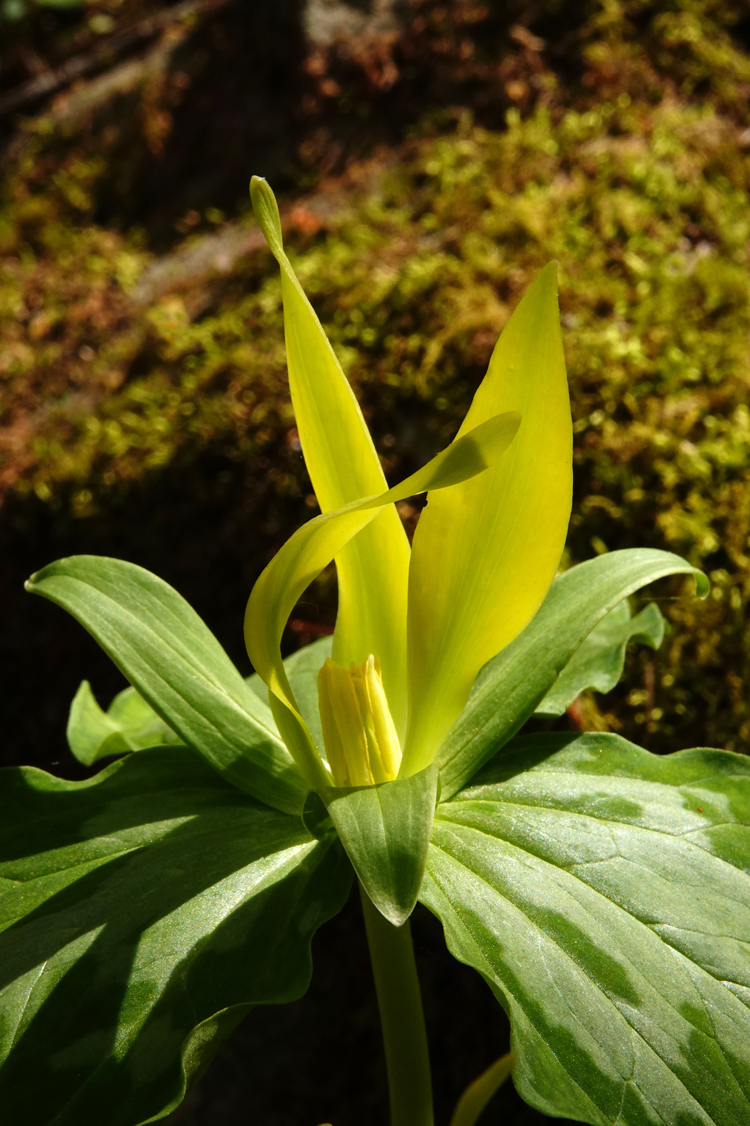
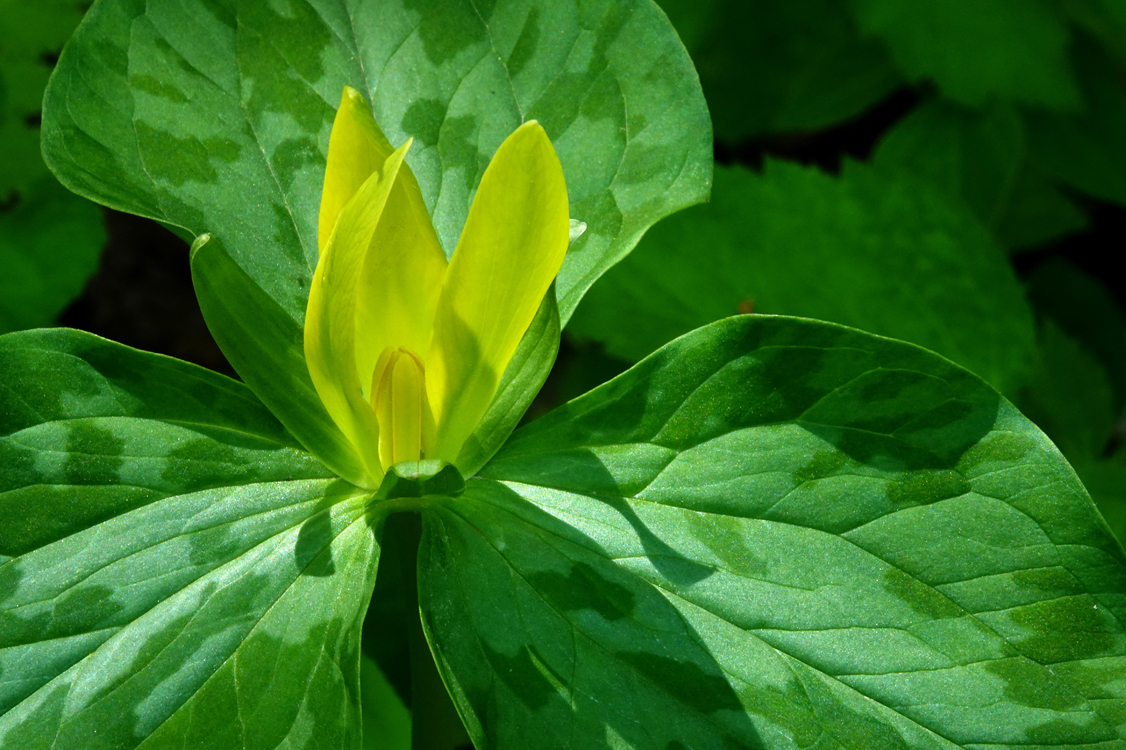
Yellow trillium  -  Chimneys Picnic Area, Great Smoky Mountains National Park, Tennessee


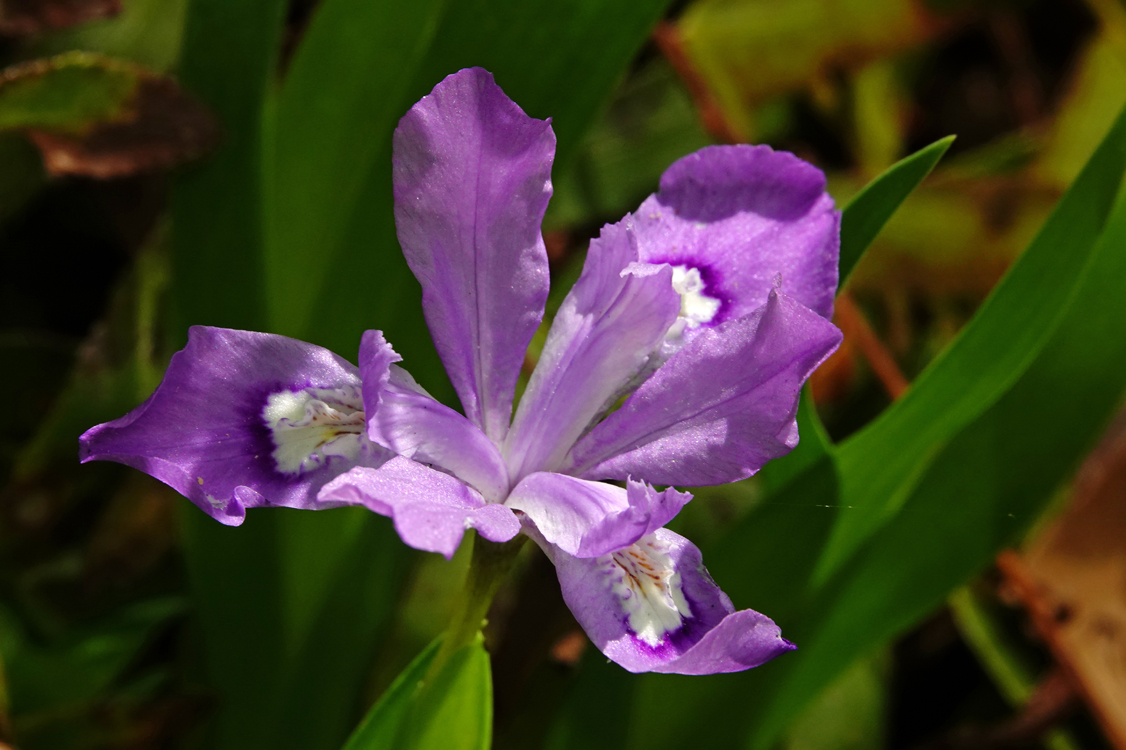
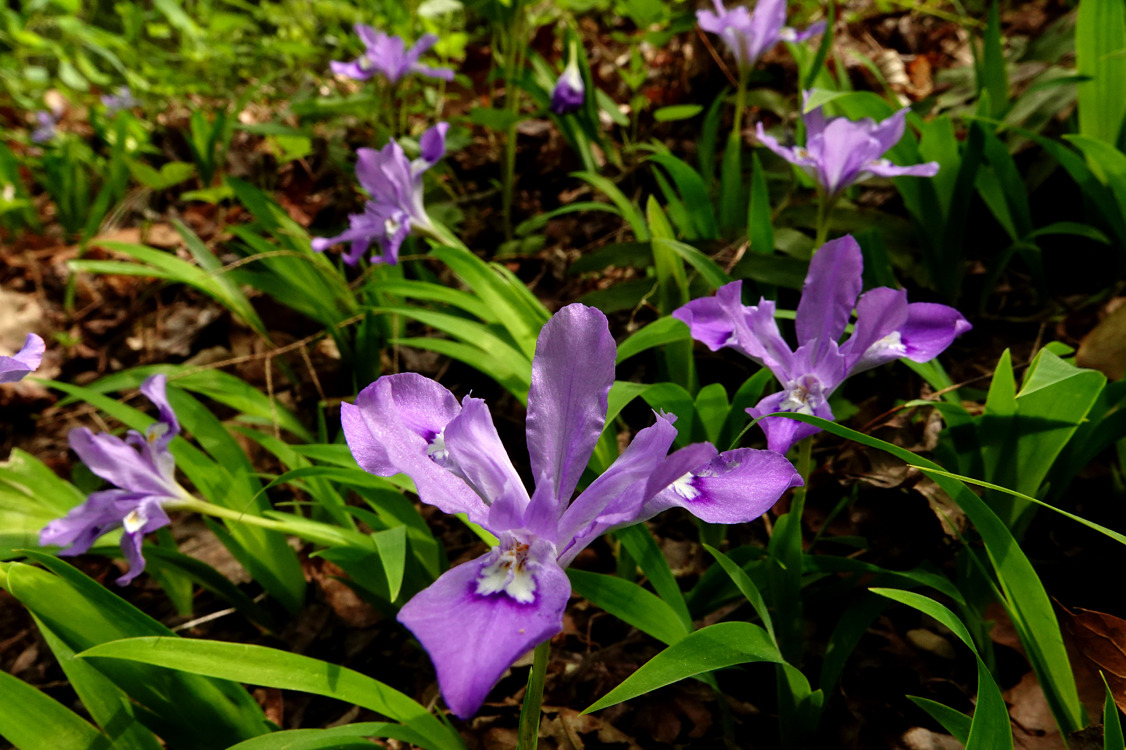
&spspspsp;Dwarf crested iris  -  Middle Prong Trail, Tremont Area, Great Smoky Mountains National Park, Tennessee&spspspsps;Dwarf crested irises  -  Middle Prong Trail, Tremont Area, Great Smoky Mountains National Park, Tennessee

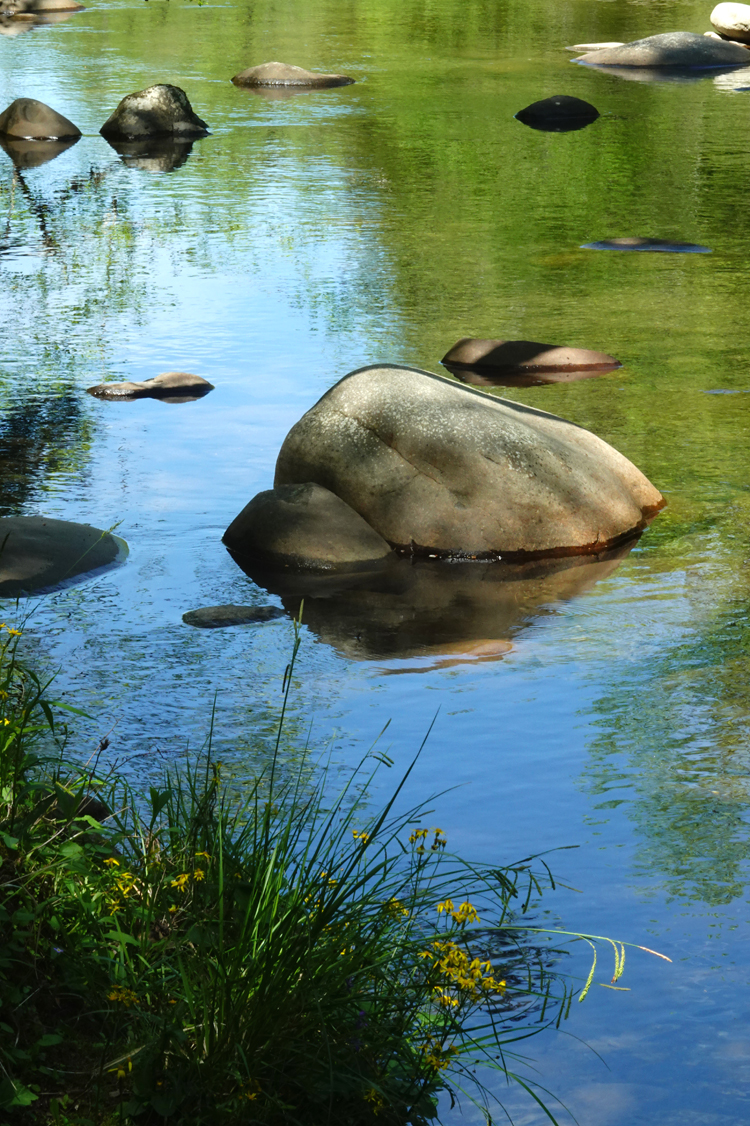
Rocks and reflections, Little Pigeon River  -  Greenbrier Area, Great Smoky Mountains National Park, Tennessee


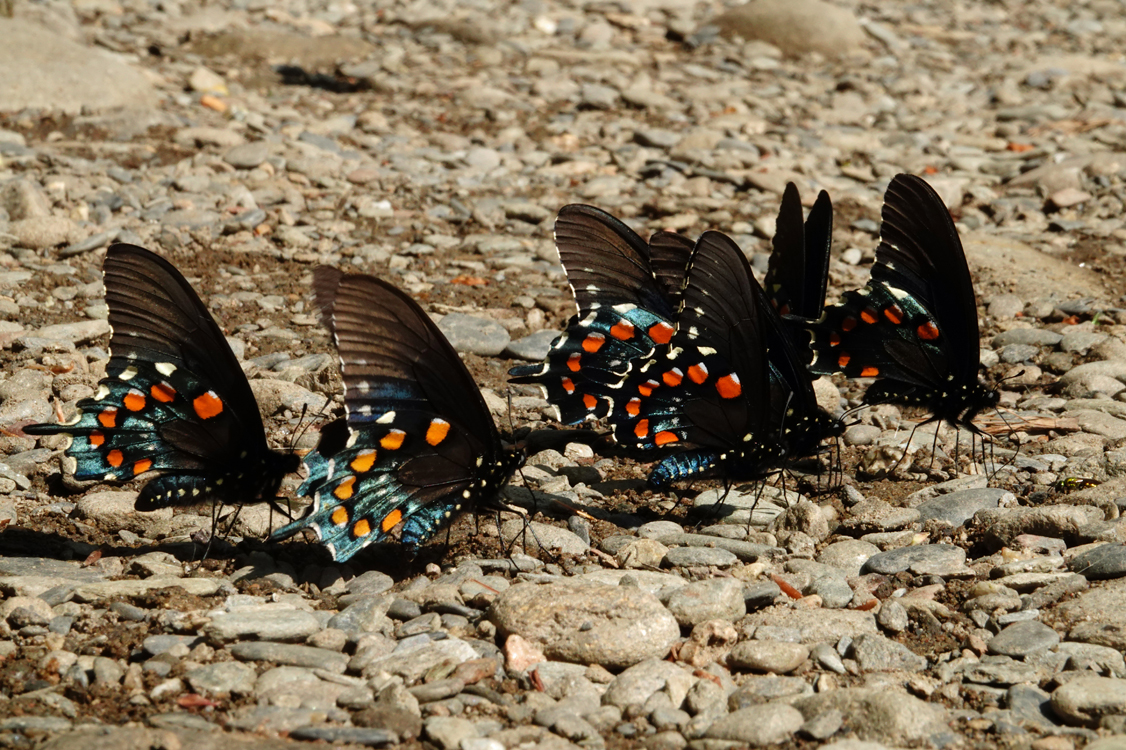
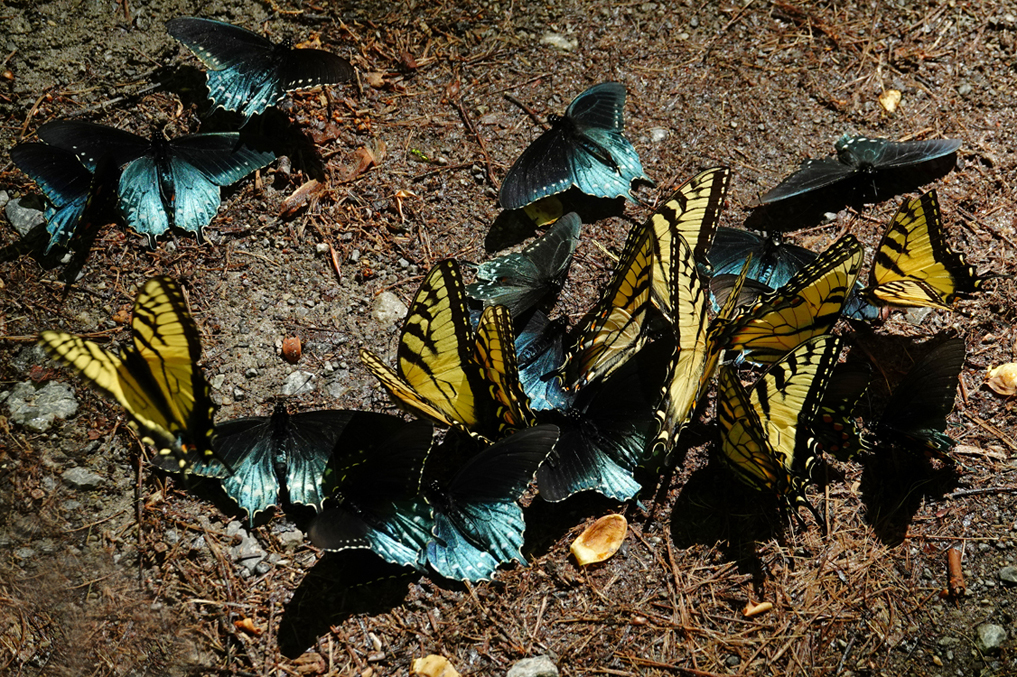
&spspspsp;Pipevine swallowtail butterflies puddling  -  Townsend Wye, Great Smoky Mountains National Park, Tennessee  --- Norman’s Note: These butterflies have sought out a moist area and are sucking up fluids in order to get much-needed nutrients. (Think Gatorade.)  Although I’ve seen this behavior mostly with butterflies, it occurs with a number of species.&spspspsps;Tiger swallowtail and pipevine swallowtail butterflies puddling  -  Porter's Creek Trail, Greenbrier Area, Great Smoky Mountains National Park, Tennessee

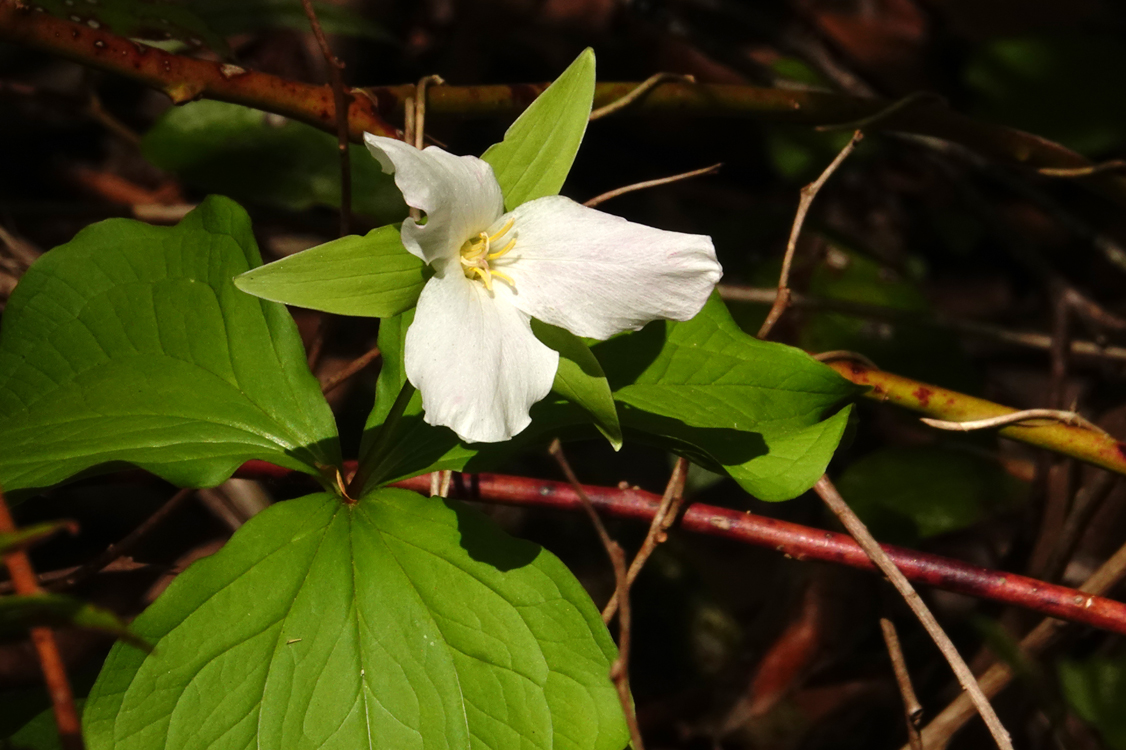
Trillium grandiflorum  -  Little River Trail, Elkmont Area, Great Smoky Mountains National Park, Tennessee


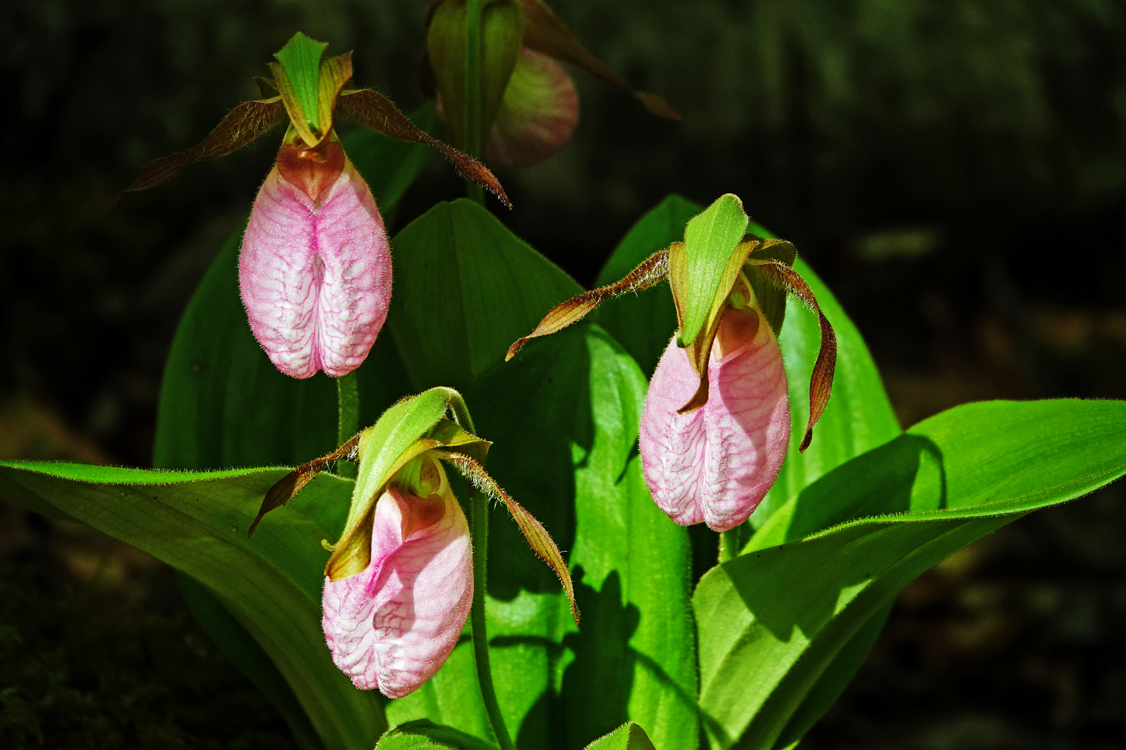
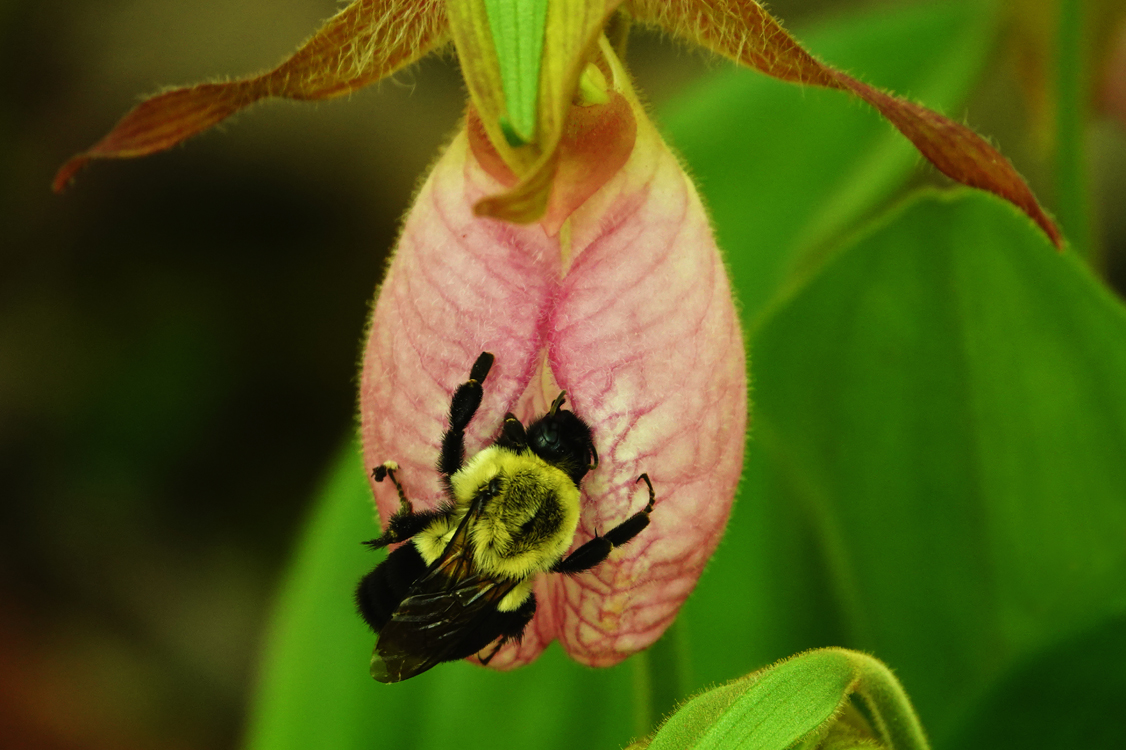
&spspspsp;Pink lady's slippers  -  Porter's Creek Trail, Greenbrier Area, Great Smoky Mountains National Park, Tennessee --- Norman’s Note: Although I’ve never seen these unusual beauties noted as uncommon or rare, I don’t come upon them very often in the southern Appalachian Mountains. So it is always a special treat when I do see them.&spspspsps;Bumblebee on pink lady's slipper  -  Porter's Creek Trail, Greenbrier Area, Great Smoky Mountains National Park, Tennessee --- Norman’s Note: These blooms get pollinated by attracting bees into the slit of the pink flower, as seen here. However, these are non-rewarding flowers because they provide no benefits such as food or nectar, but still they get pollinated.

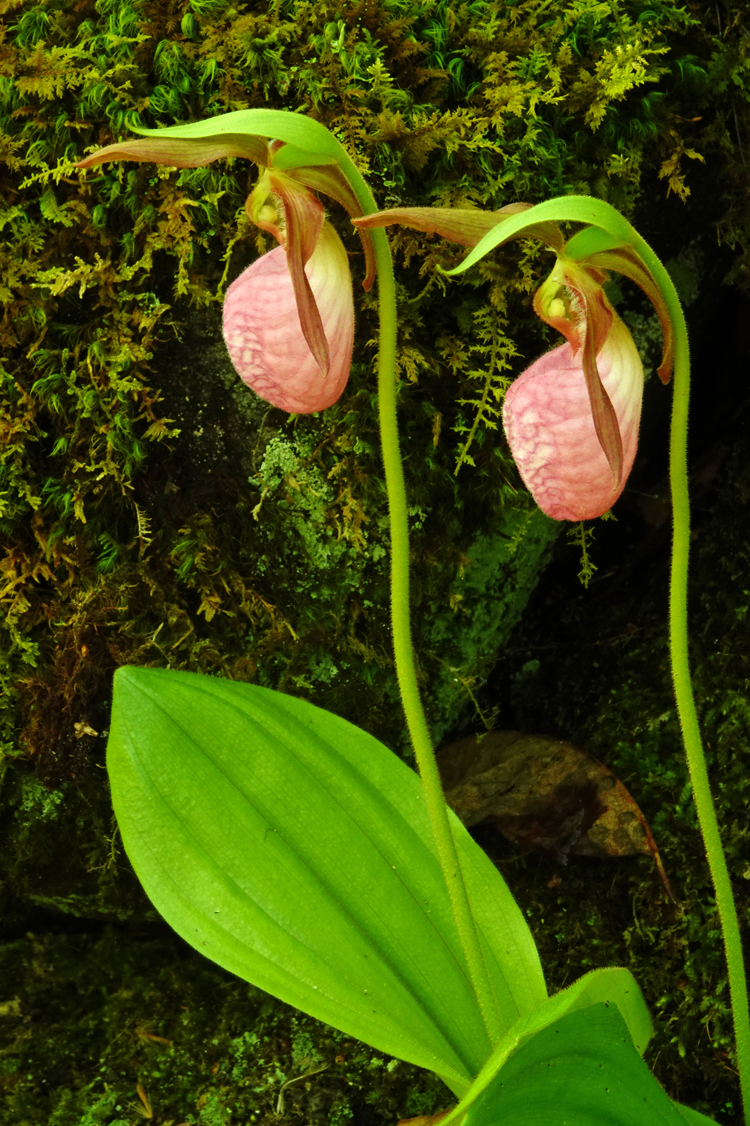
Pink lady's slippers  -  Porter's Creek Trail, Greenbrier Area, Great Smoky Mountains National Park, Tennessee


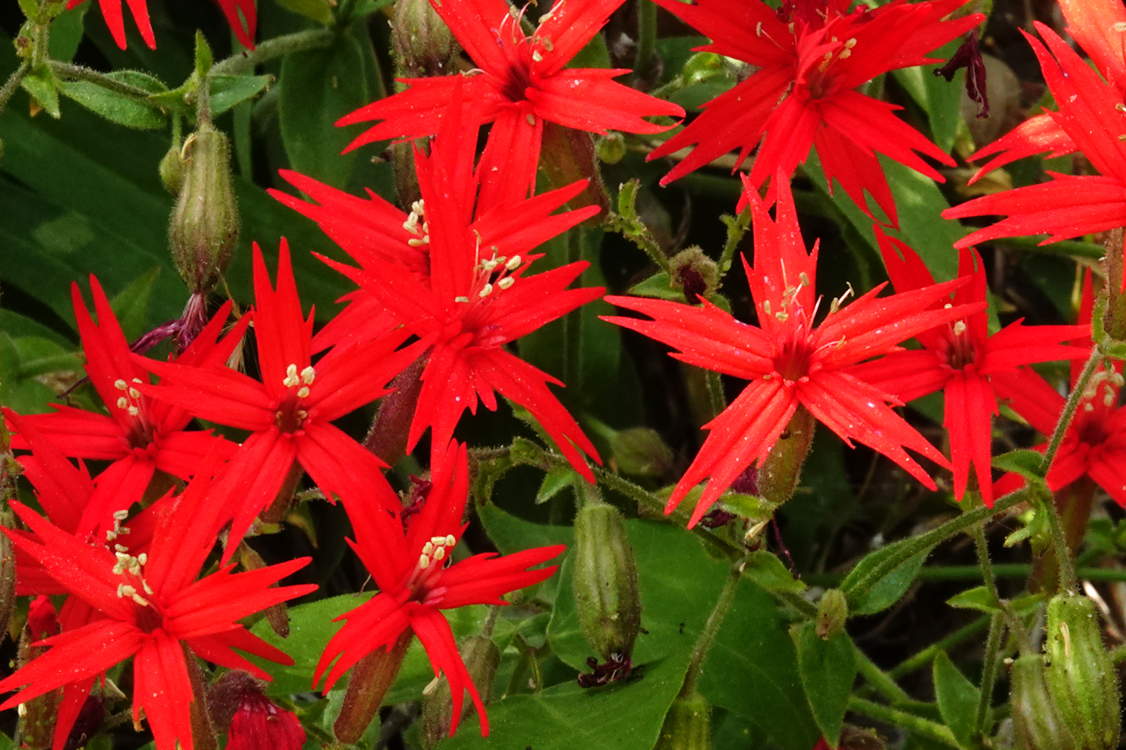
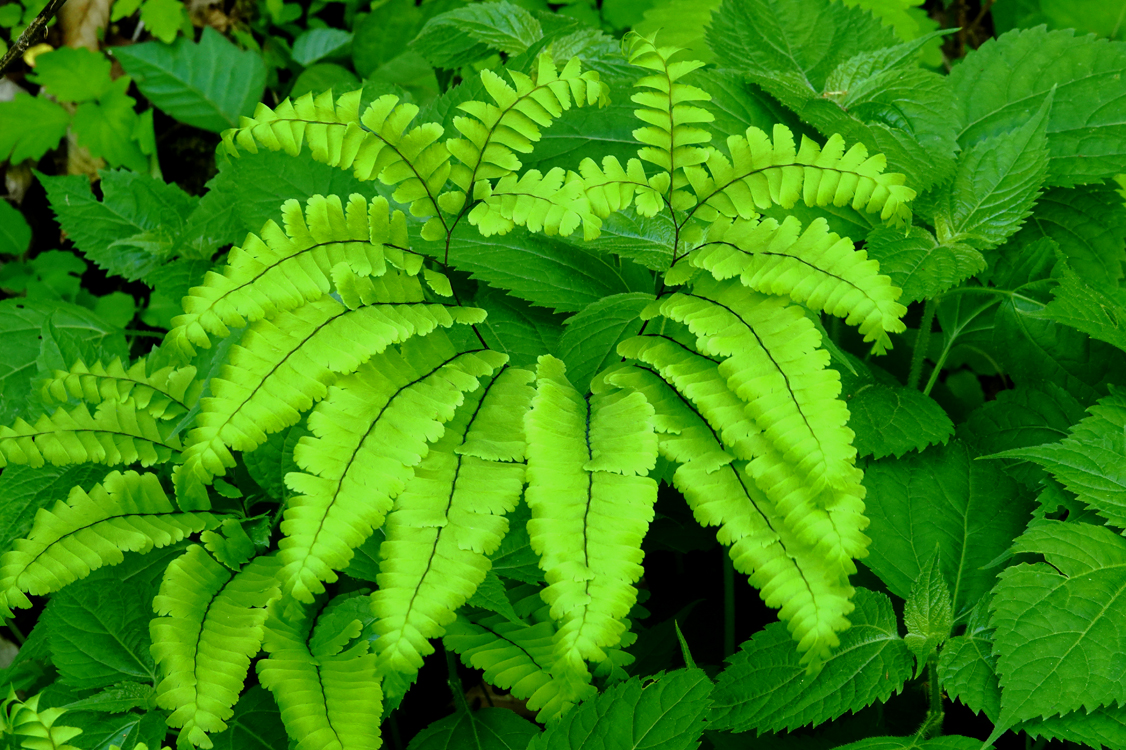
&spspspsp;Fire Pink  -  Little River Road, Great Smoky Mountains National Park, Tennessee --- Norman’s Note: This was the largest stand of Fire Pink blooms that I’ve ever seen.&spspspsps;Maidenhair fern  -  Little River Road, Great Smoky Mountains National Park, Tennessee

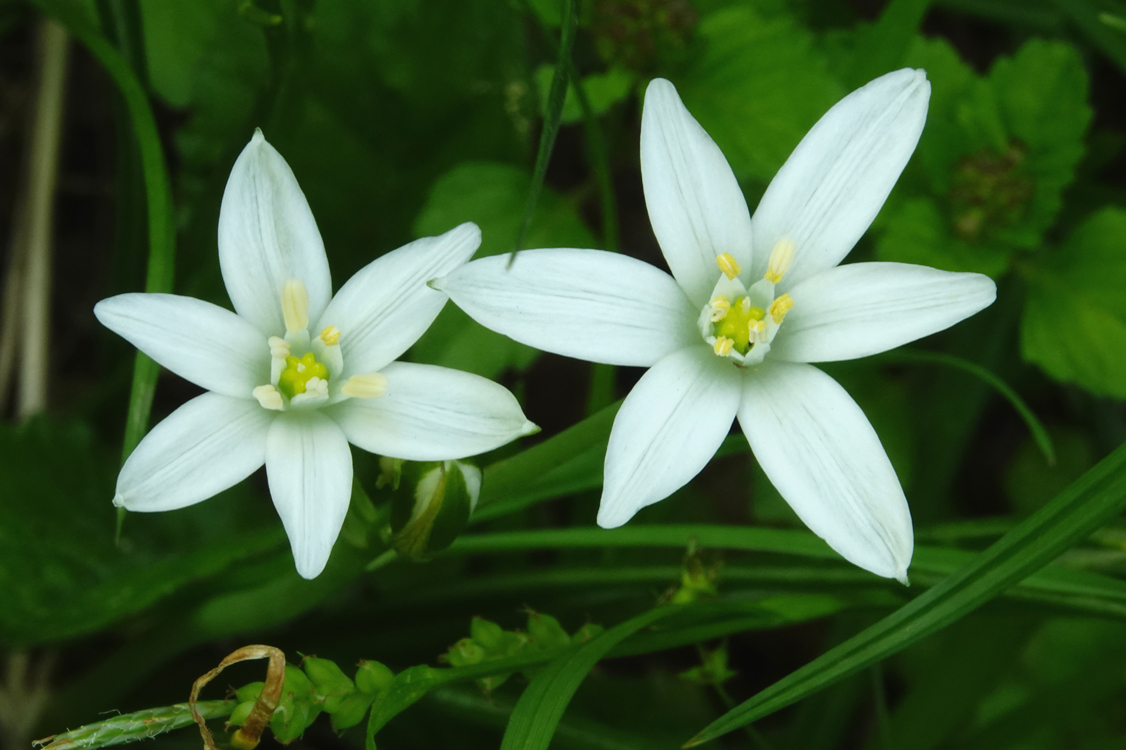
&spspspsp;Yellow trillium  -  Greenbrier Area, Great Smoky Mountains National Park, Tennessee&spspspsps;Star of Bethlehem  -  Little River Road, Great Smoky Mountains National Park, Tennessee

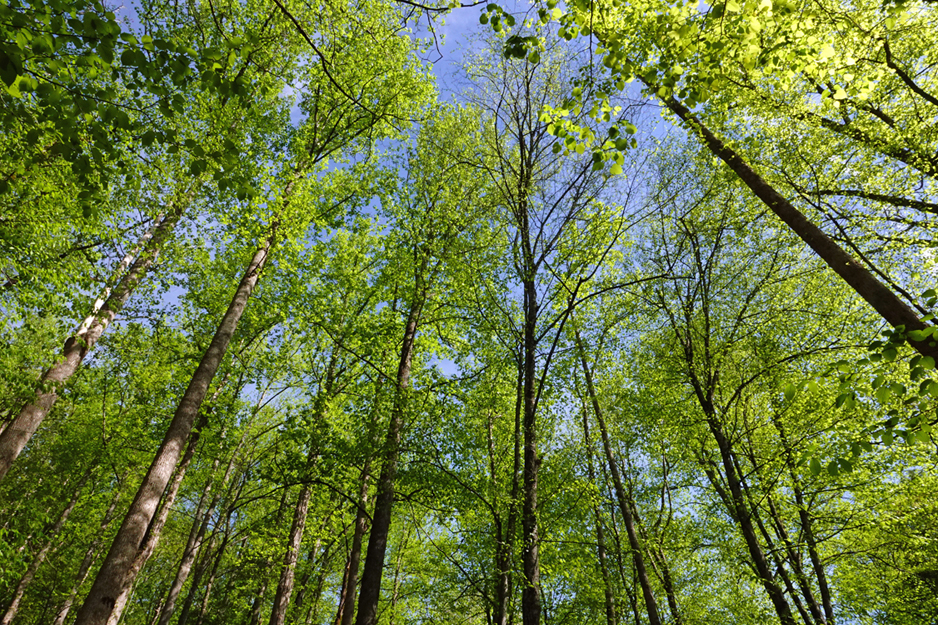
Trees  -  Porter's Creek Trail, Greenbrier Area, Great Smoky Mountains National Park, Tennessee

– – – – – – – – – – – – – – NORTH CAROLINA and SOUTH CAROLINA – – – – – – – – – – – – –

[April 2026]
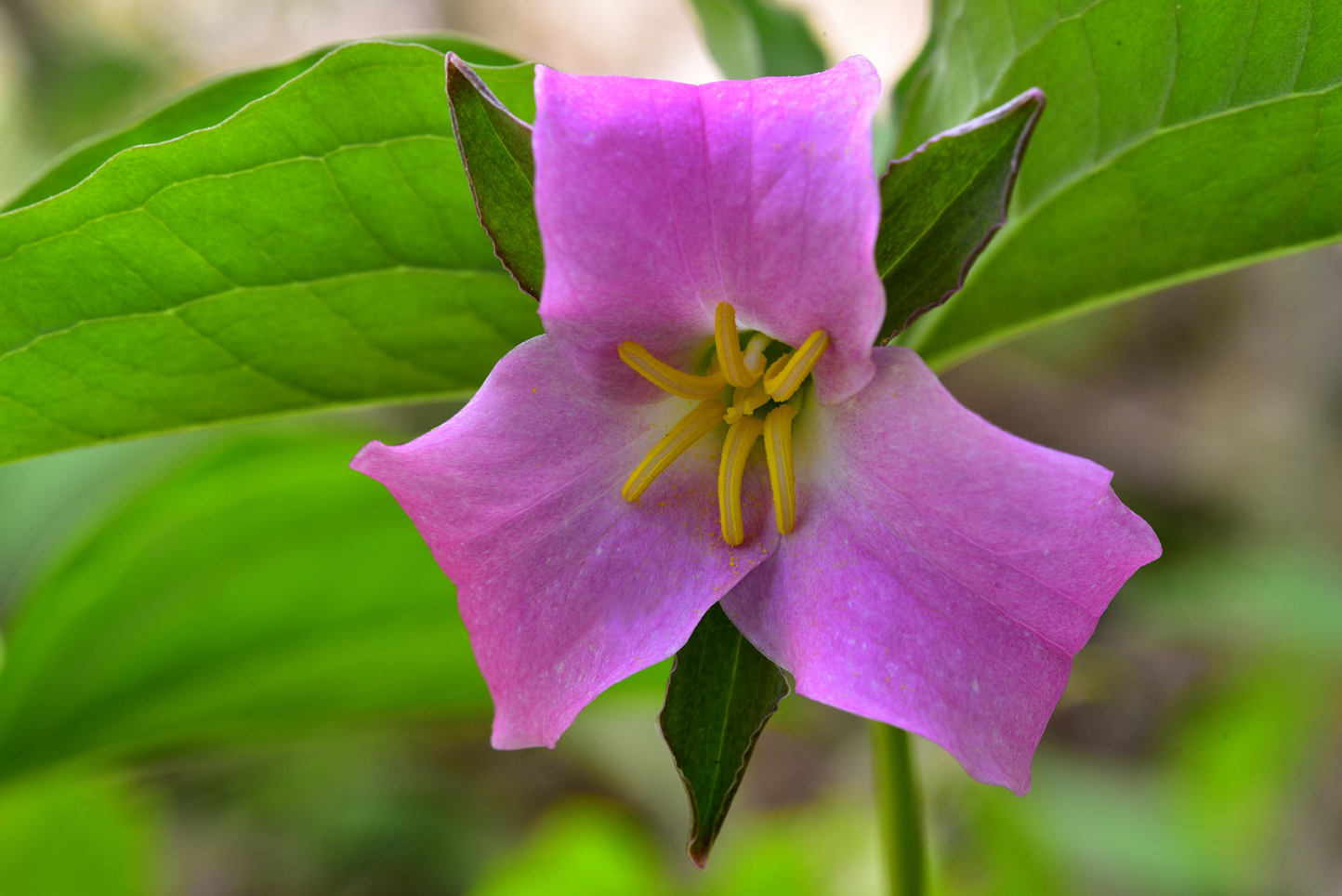
Catesby's Trillium  -  Ashmore Heritage Preserve, Mountain Bridge Wilderness Area, South Carolina


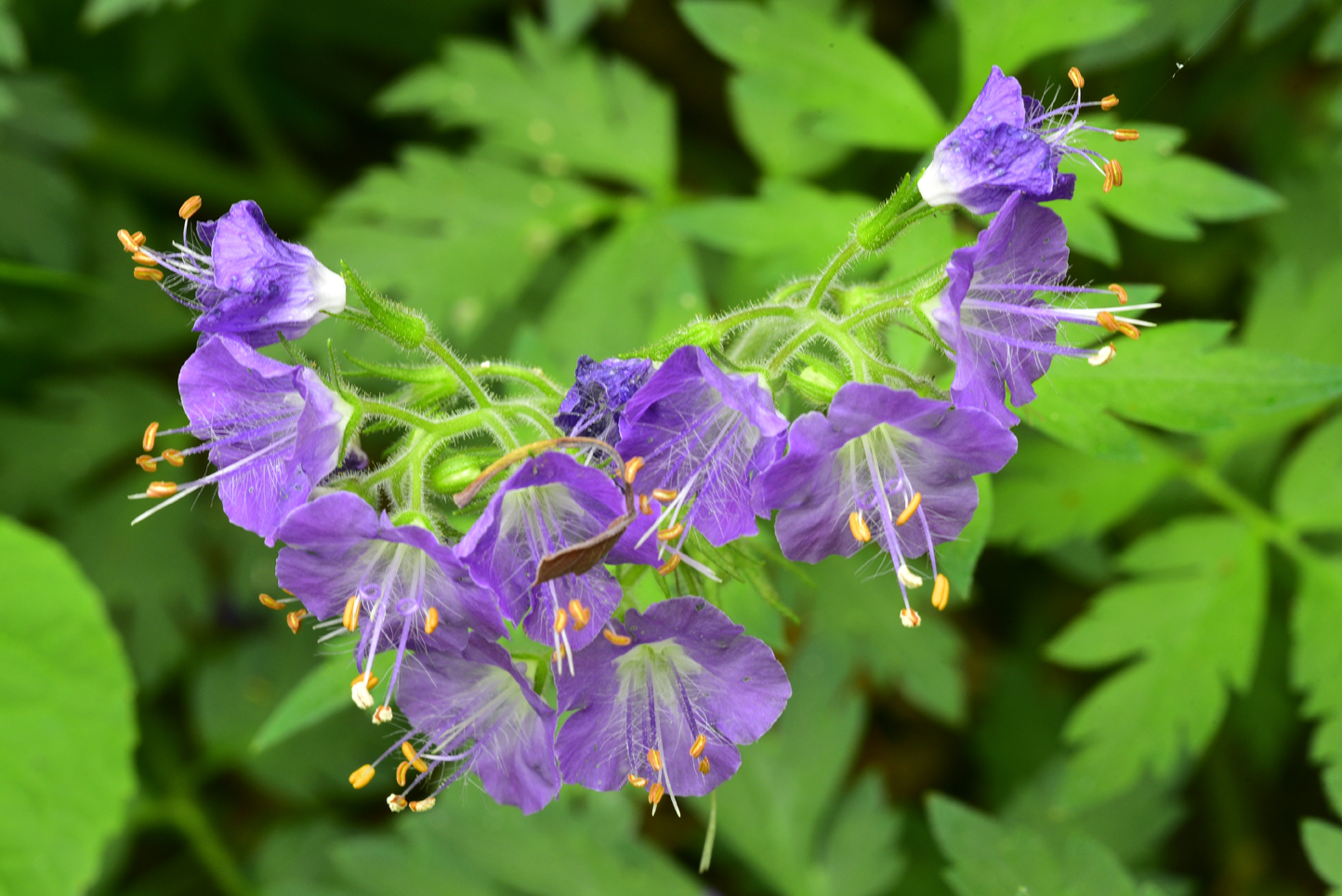
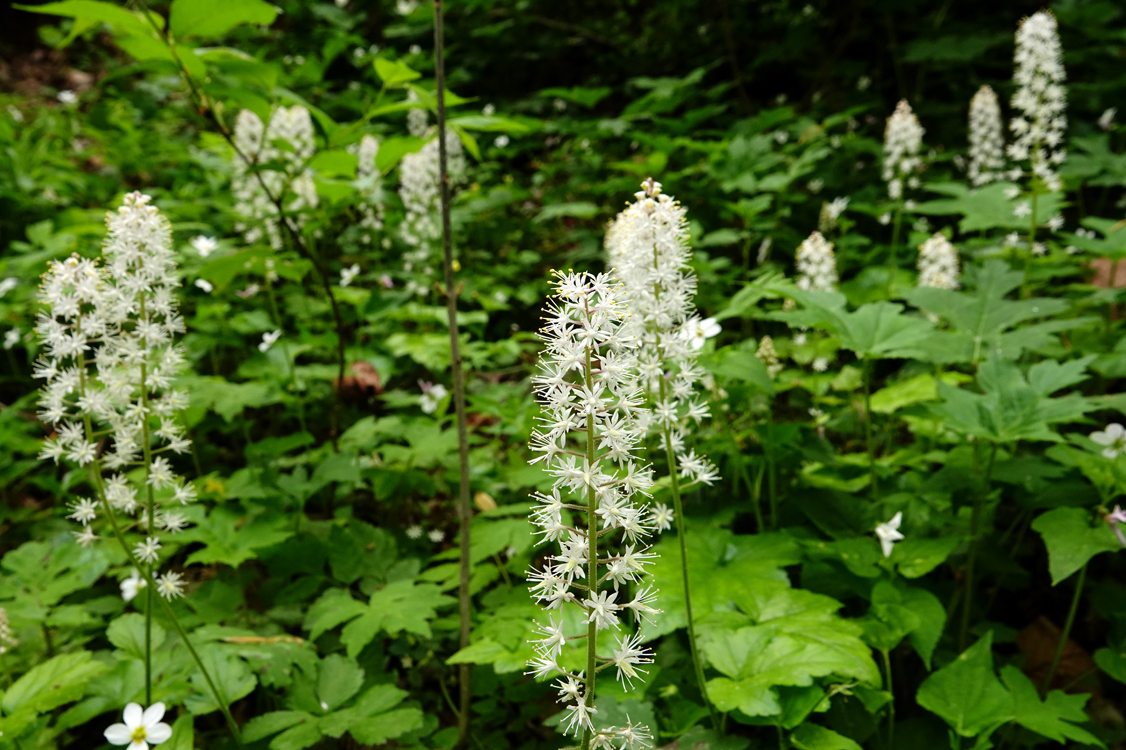
&spspspsp;Purple phacelia  -  Melrose Falls Trail; Conserving Carolina Land Trust, Polk County, North Carolina&spspspsps;Foamflower  -  Melrose Falls Trail; Conserving Carolina Land Trust, Polk County, North Carolina

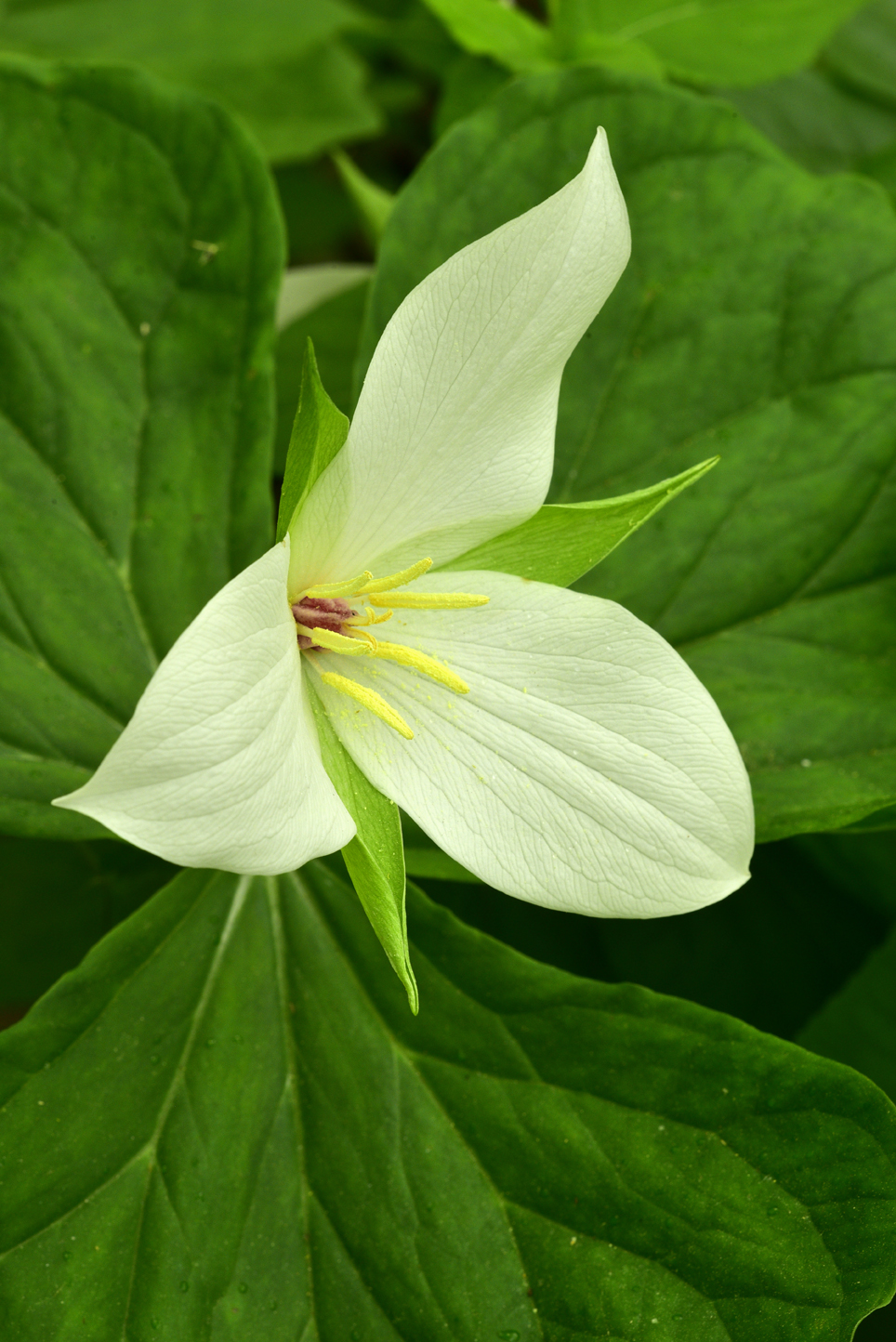
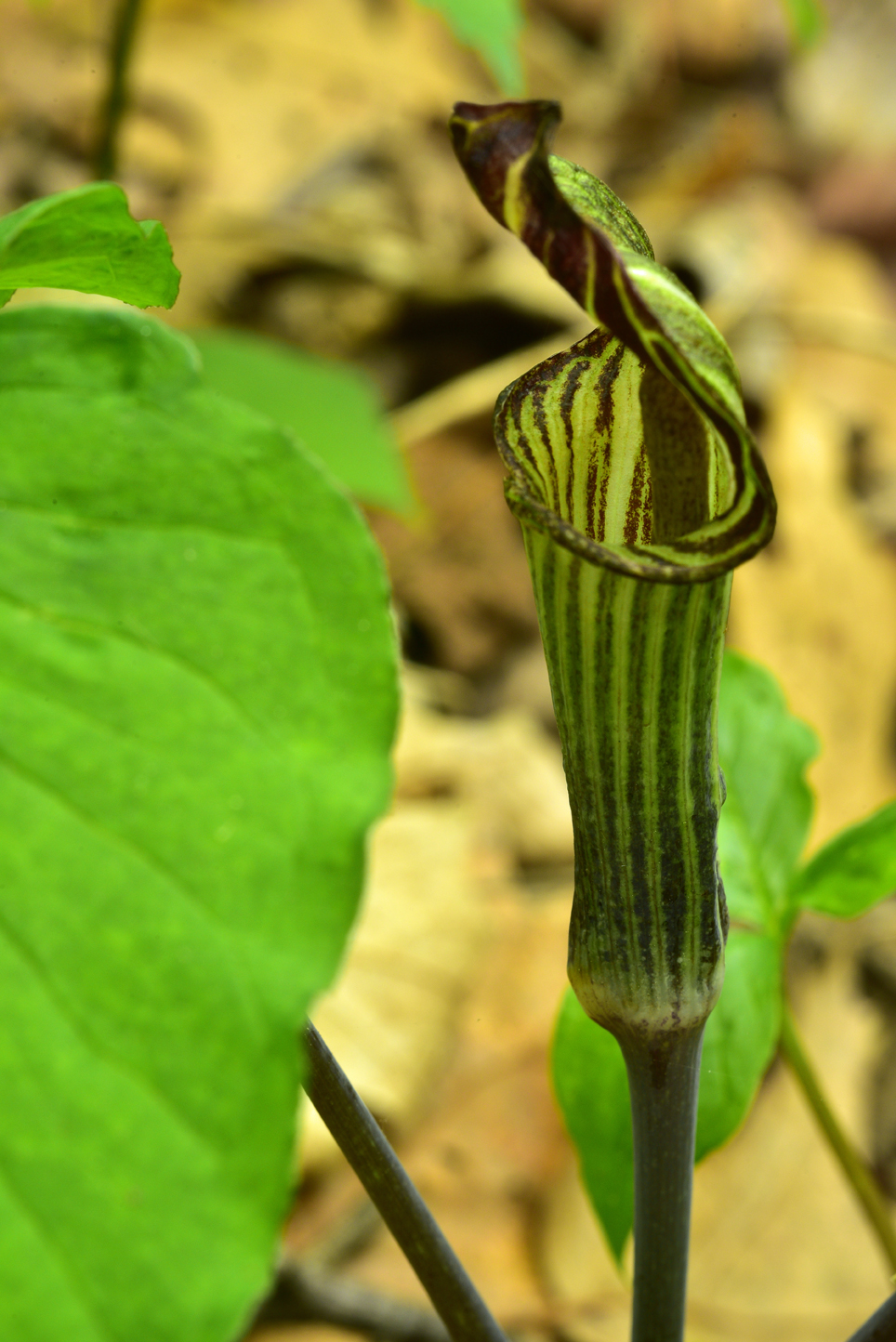
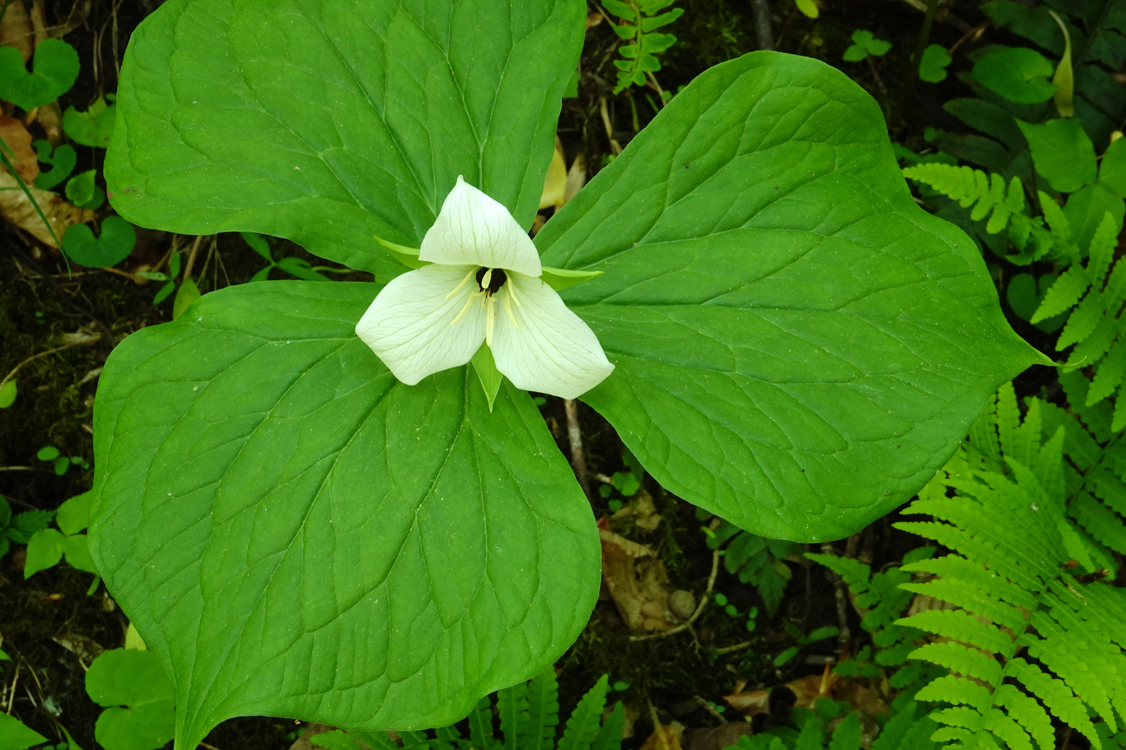
&spspspspspspspsps;Sweet white trillium  -  Melrose Falls Trail; Conserving Carolina Land Trust, Polk County, North Carolina&pspspspsps;Jack-in-the-pulpit  -  Melrose Falls Trail; Conserving Carolina Land Trust, Polk County, North Carolina

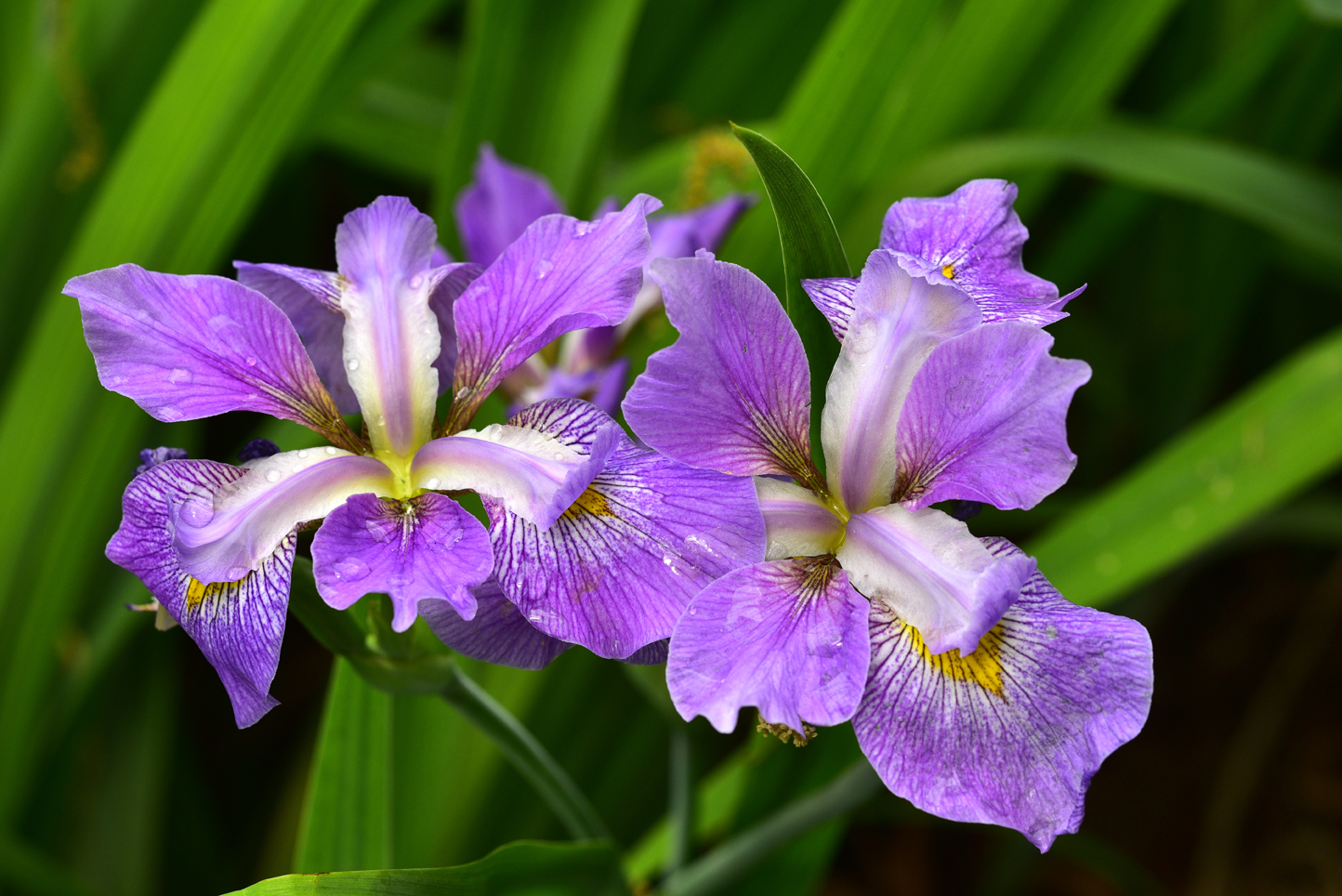
Irises  -  Kilgore-Lewis Garden, Greenville, South Carolina


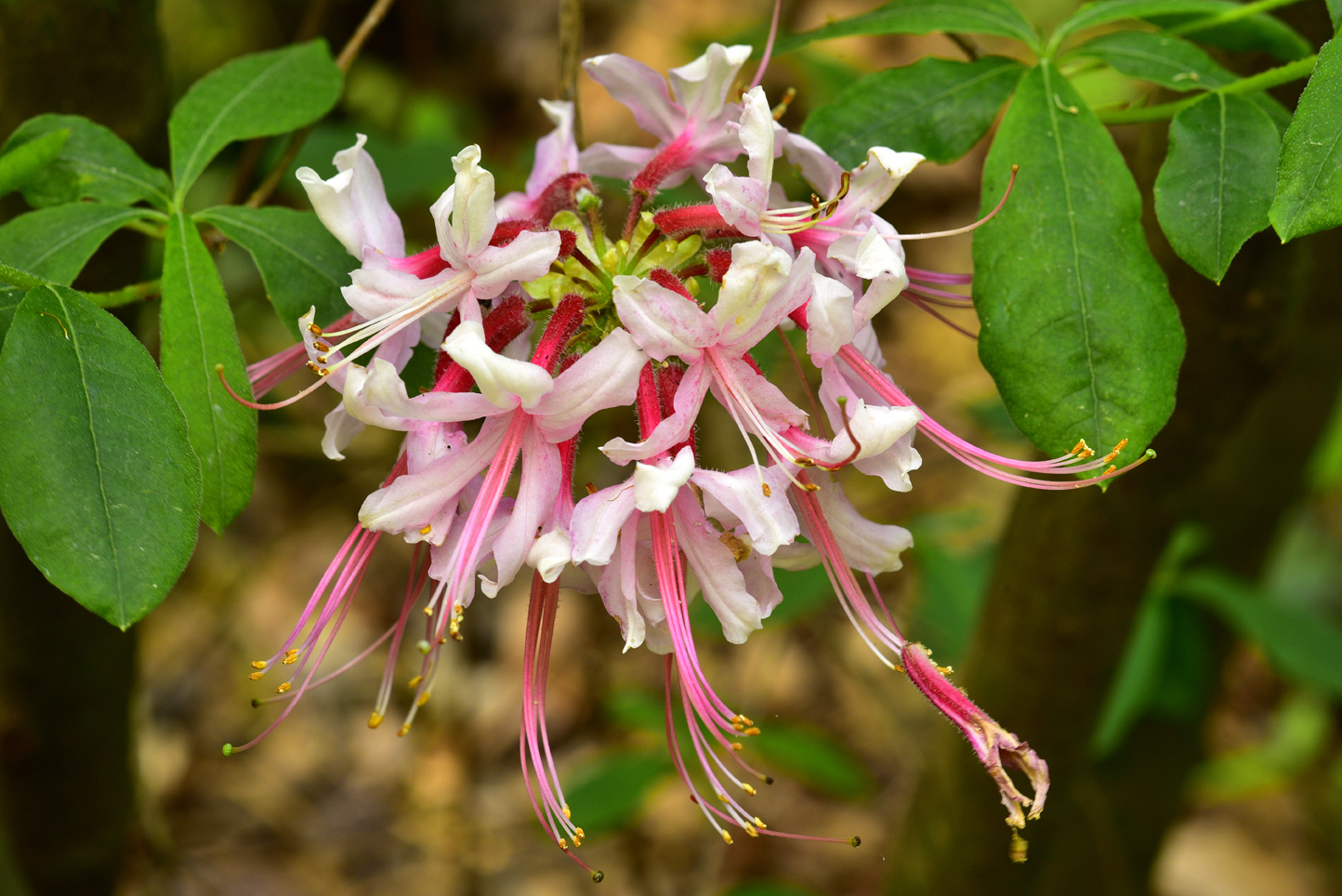
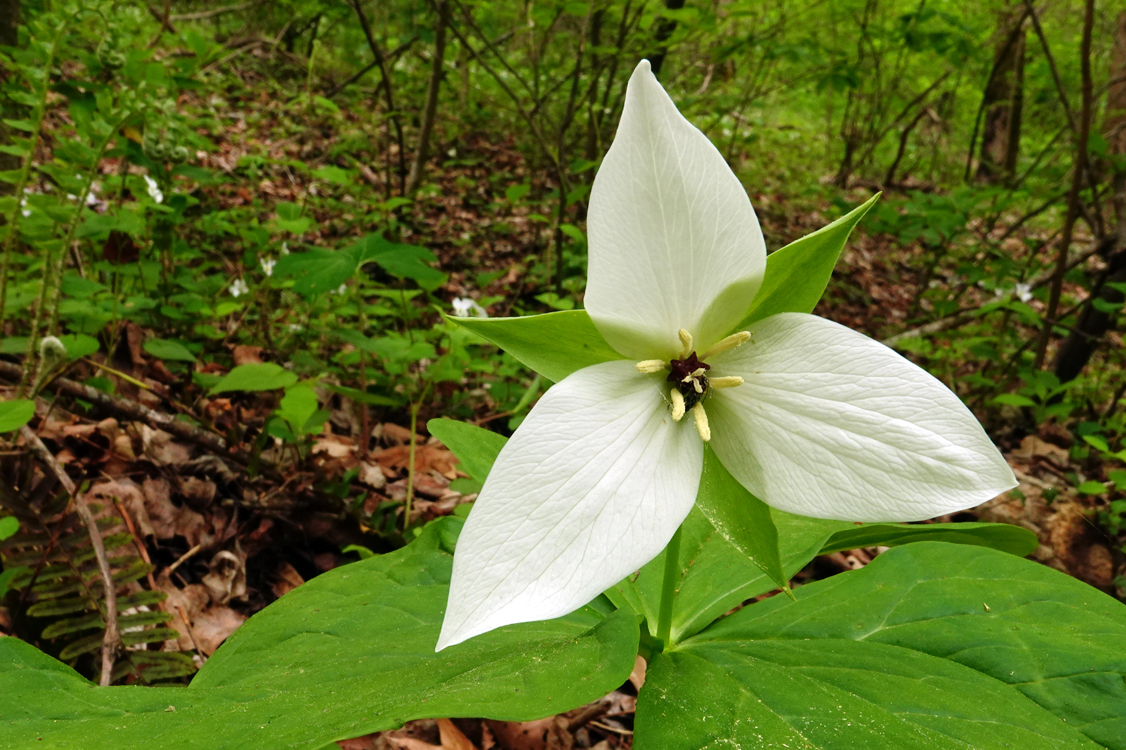
&spspspsp;Pinxterbloom azalea  -  Kilgore-Lewis Garden, Greenville, South Carolina&spspspsps;Sweet white trillium  -  Melrose Falls Trail; Conserving Carolina Land Trust, Polk County, North Carolina

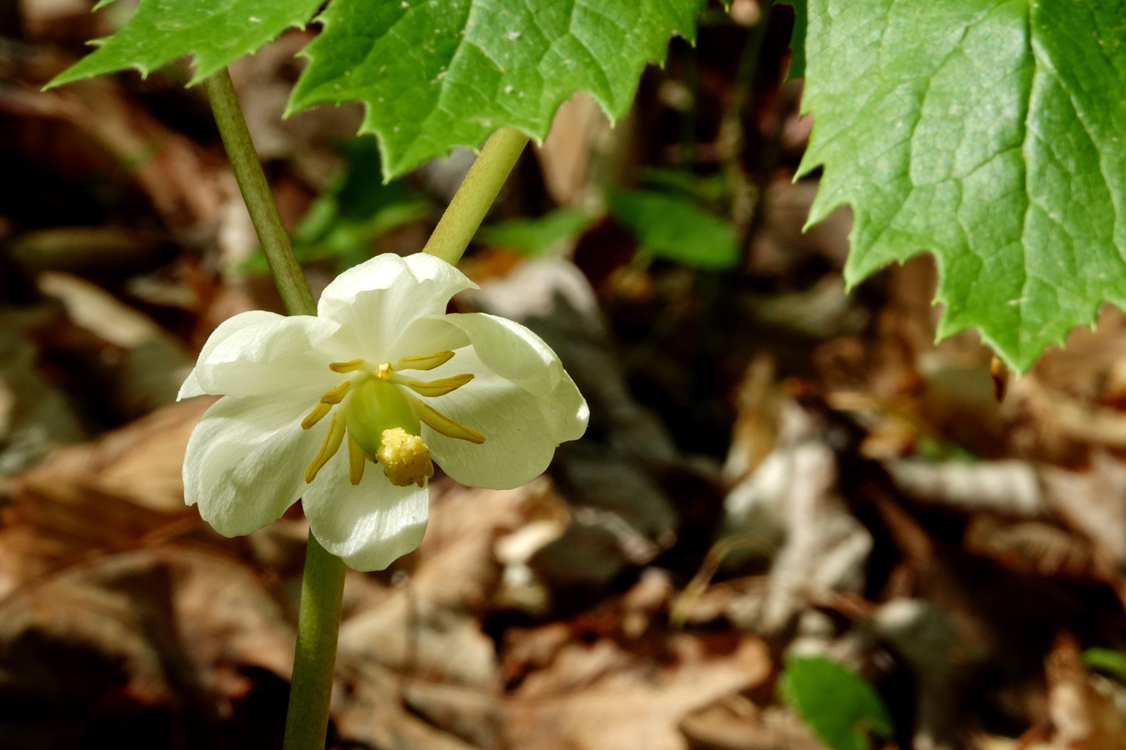
Mayapple  -  Picnic Trail, Holmes Educational State Forest, North Carolina


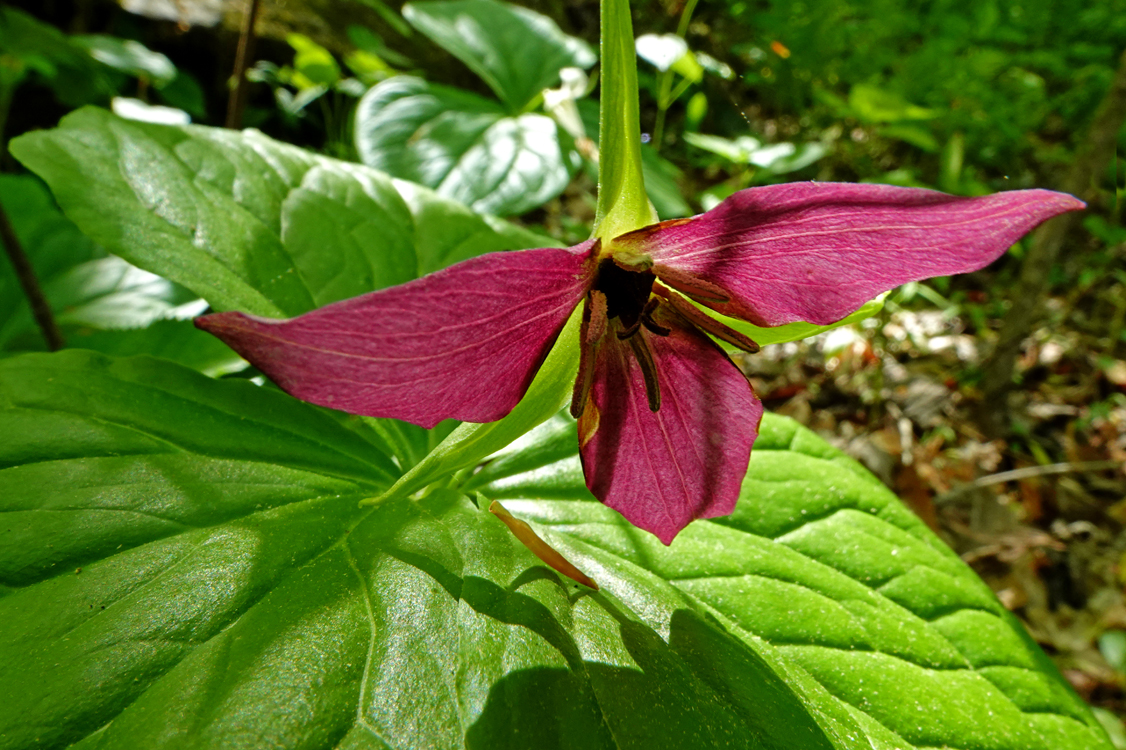
&spspspsp;Sweet white trillium  -  Talking Trees Trail, Holmes Educational State Forest, North Carolina&spspspsps;Wake robin trillium -  Talking Trees Trail, Holmes Educational State Forest, North Carolina

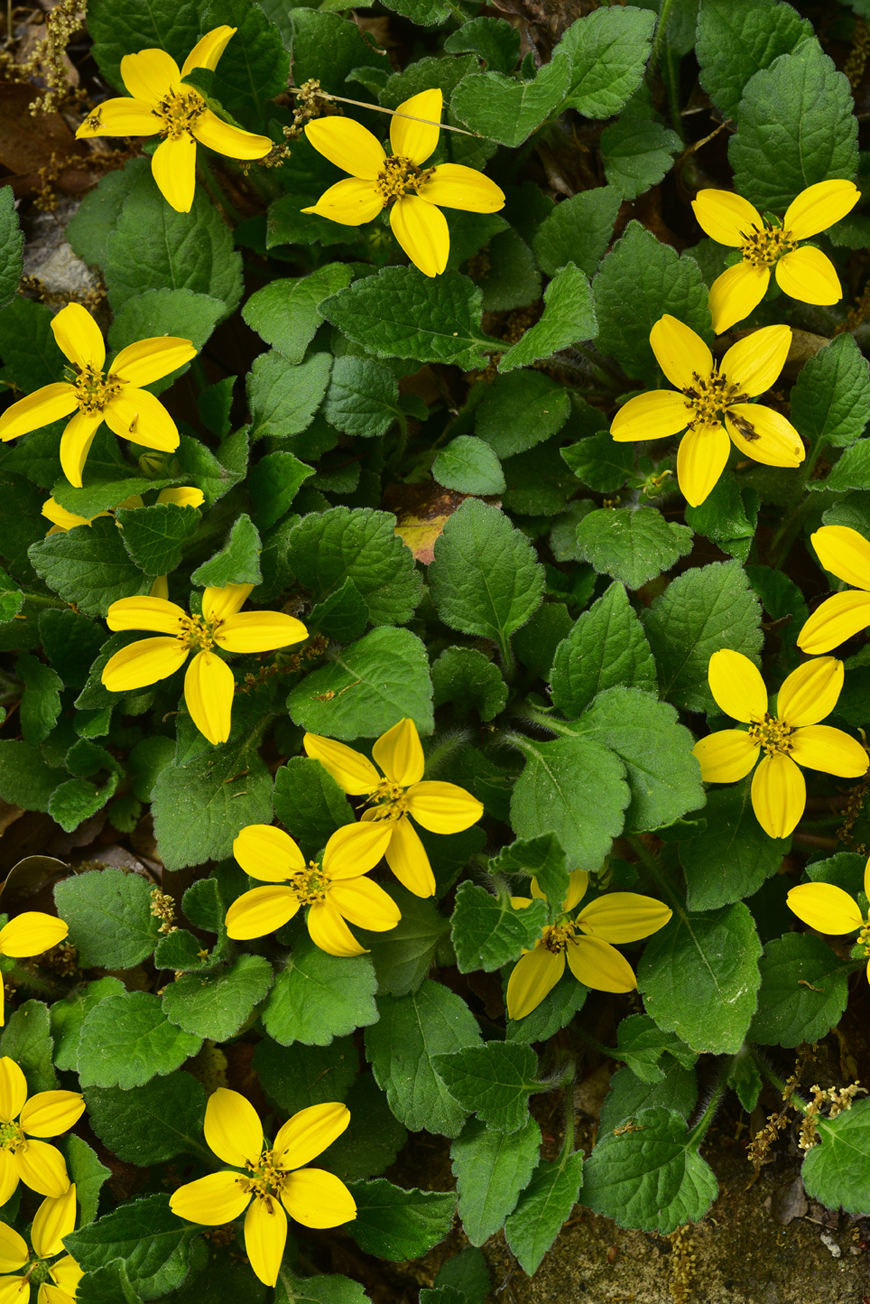
Green-and-gold  -  Kilgore-Lewis Garden, Greenville, South Carolina

– – – – – – – – – – – – – – – – – FLORIDA – – – – – – – – – – – – – – – – –

[February 2026]
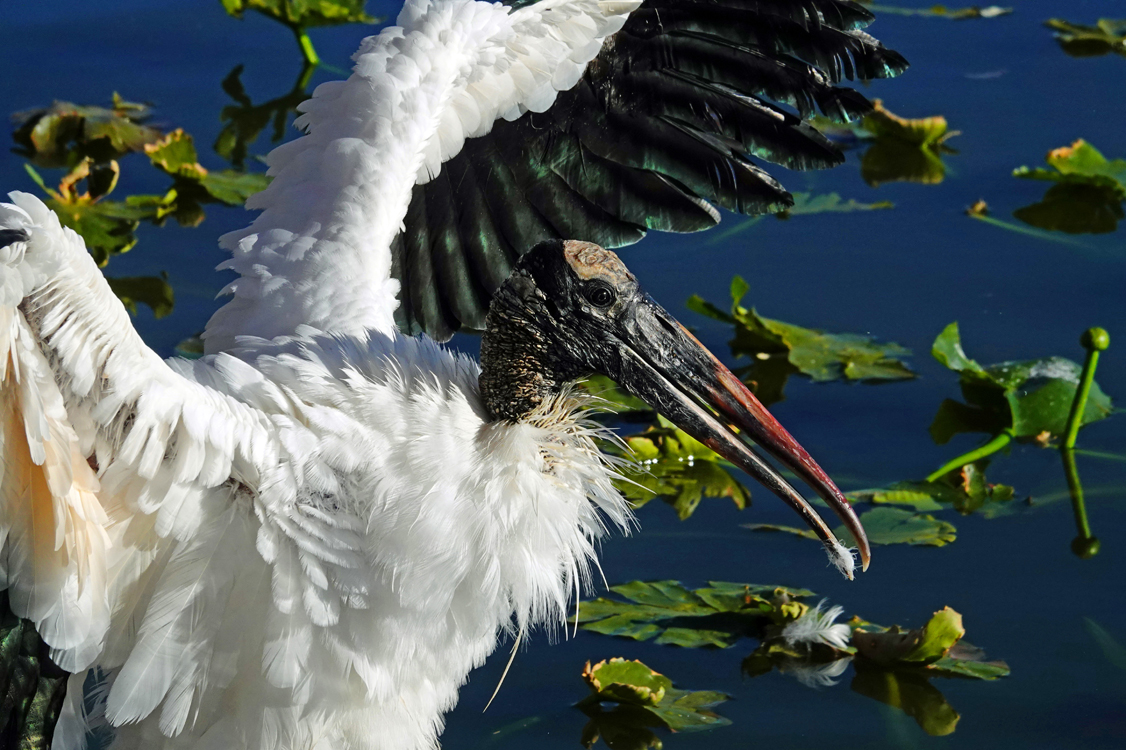
Wood stork preening  -  Lake Morton, Lakeland, Florida --- Norman’s Note: These less common, 40-inch tall birds are the only storks that breed in North America. Their black-fringed, 5-foot-wide wings make them strikingly beautiful to see in flight. (On the ground, not so much.)


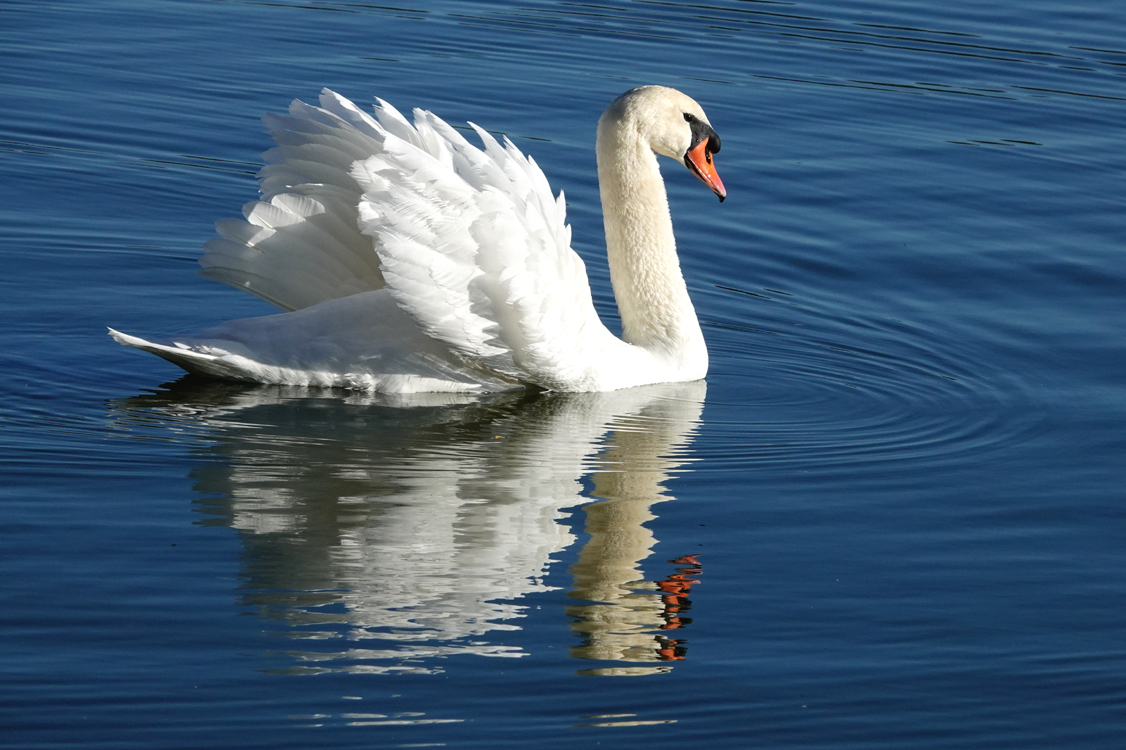
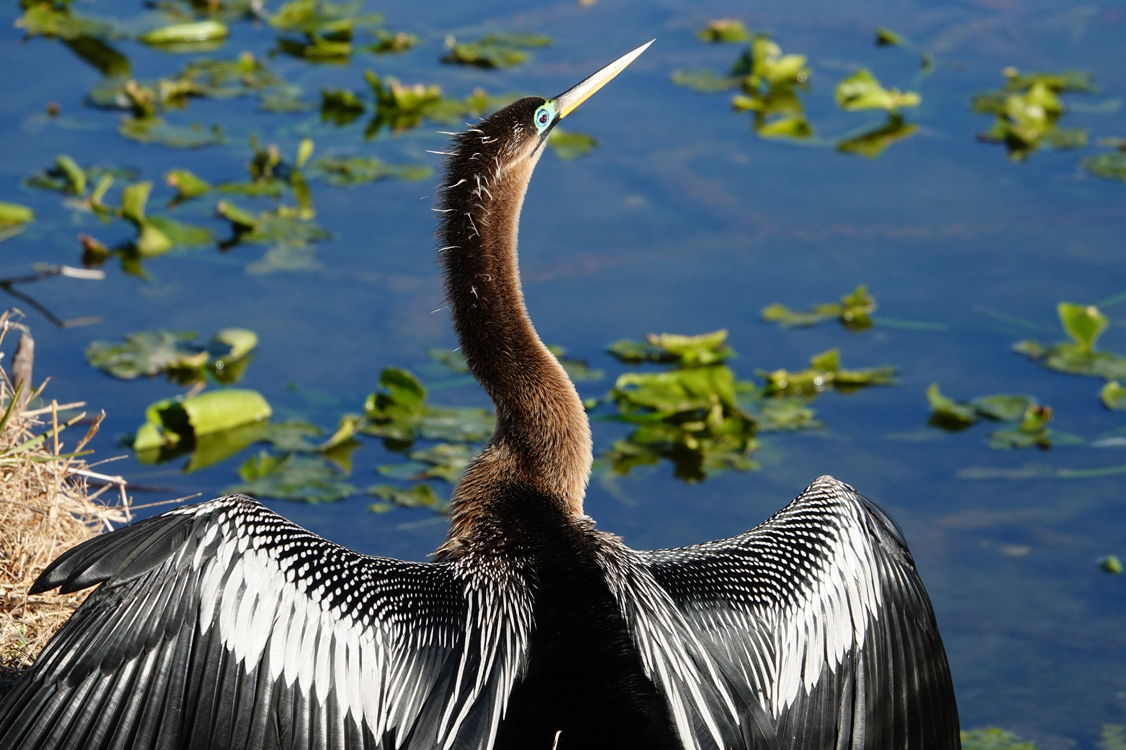
&spspspsp;Swan  -  Lake Morton, Lakeland, Florida&spspspsps;Anhinga (female) in breeding plumage drying her wings  -  Lake Morton, Lakeland, Florida

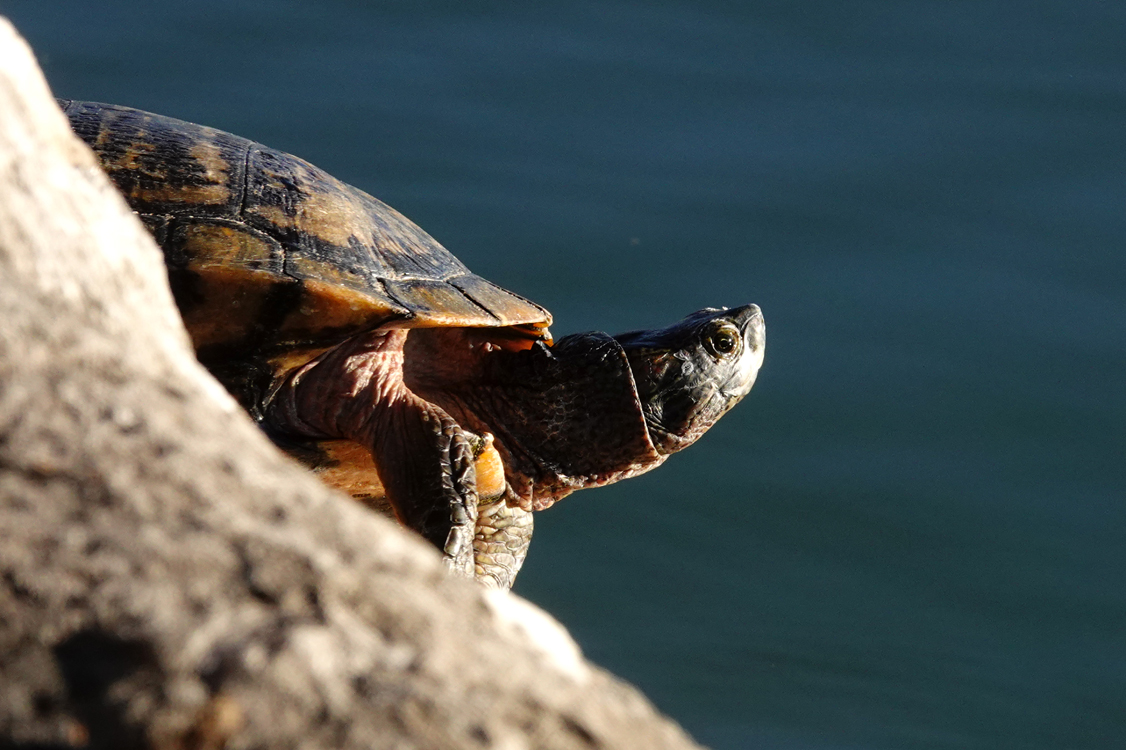
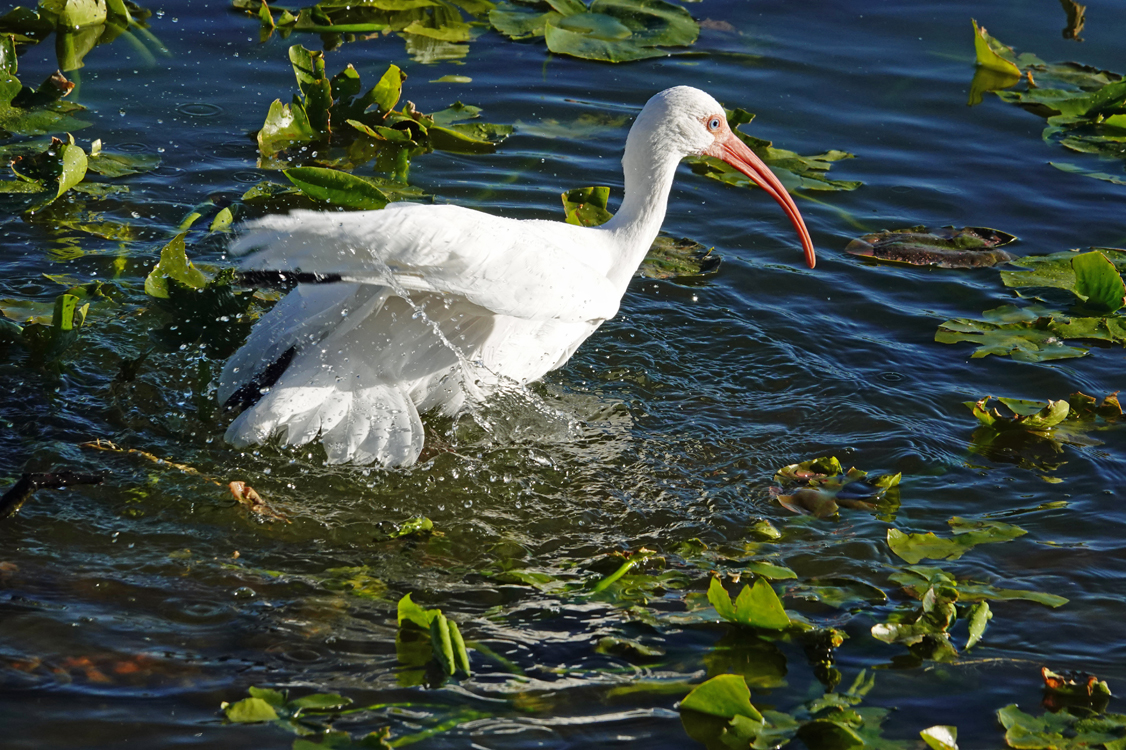
&spspspsp;Turtle  -  Lake Morton, Lakeland, Florida&spspspsps;White ibis bathing  -  Lake Morton, Lakeland, Florida

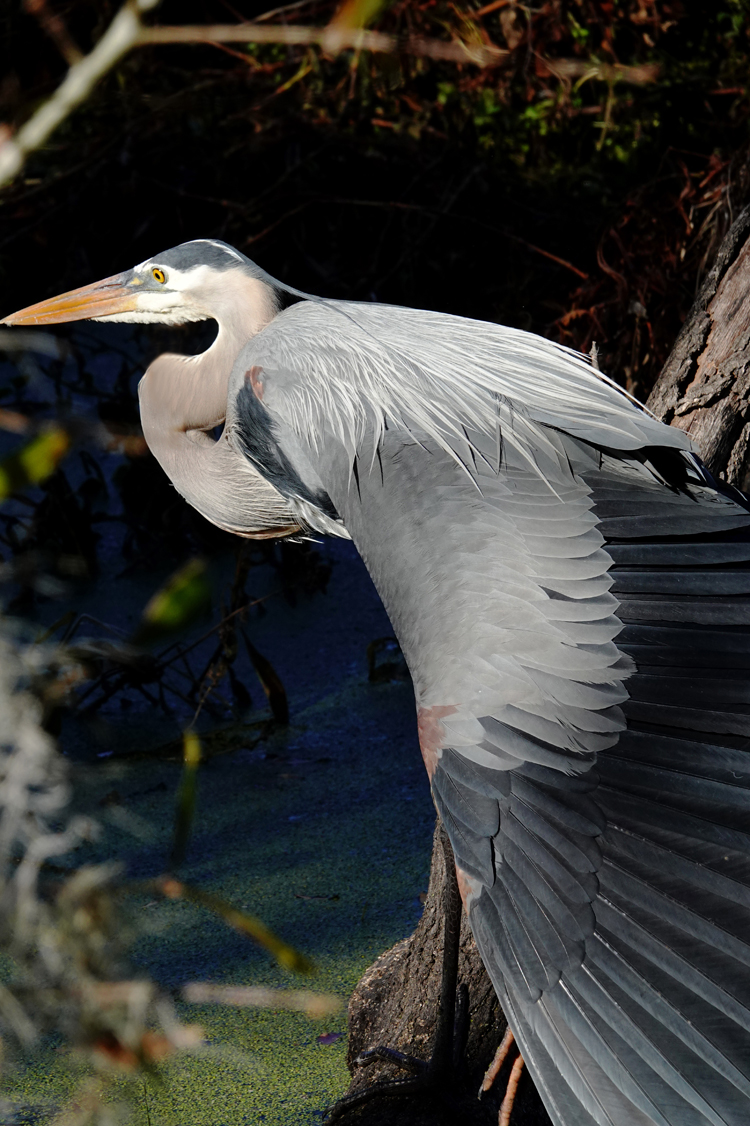
Great blue heron stretching its left wing  -  Marsh Rabbit Run Trail, Circle B Bar Reserve, Florida


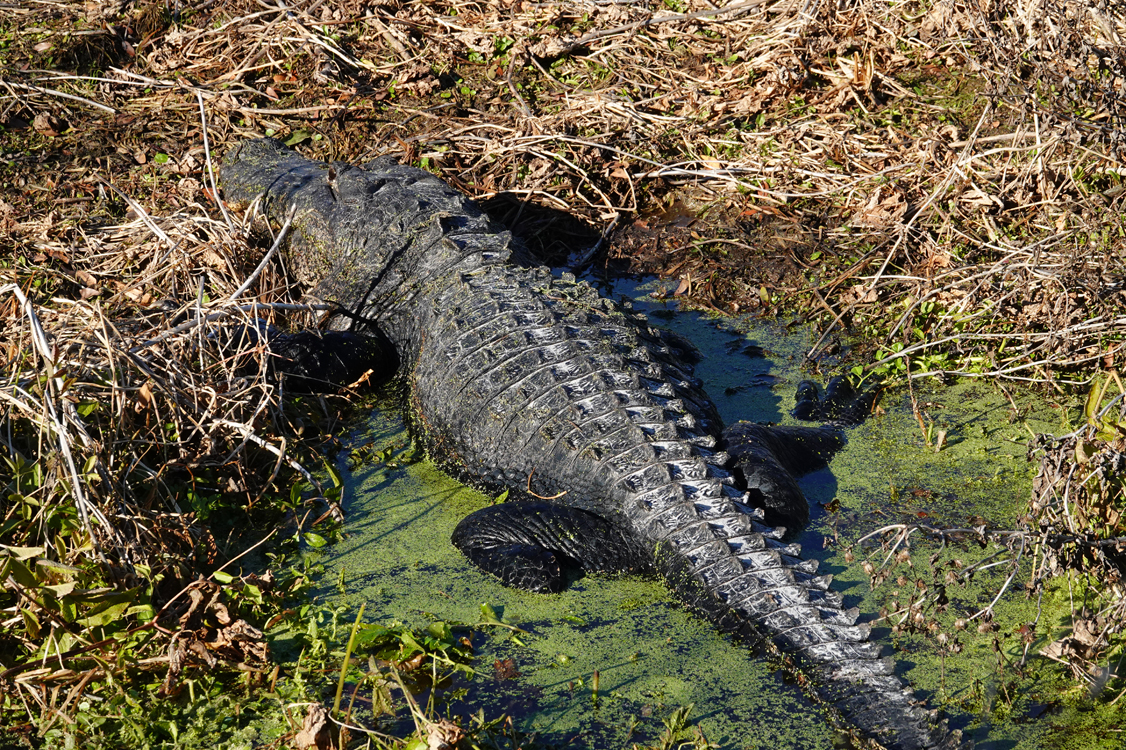
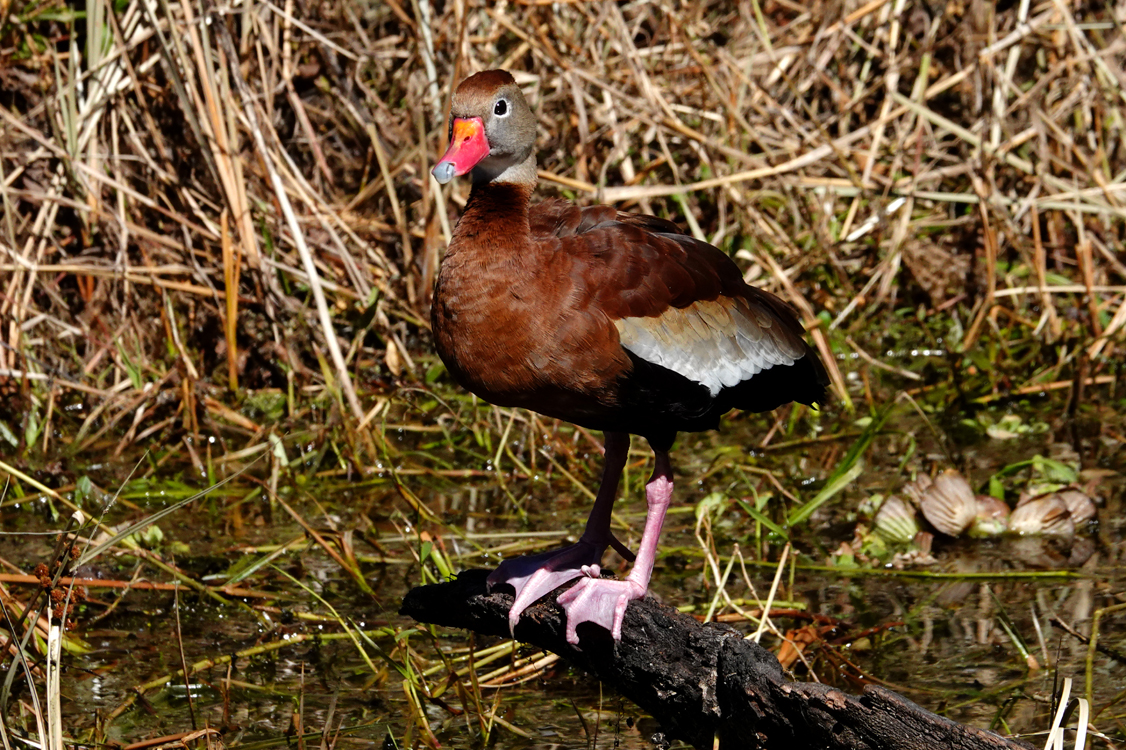
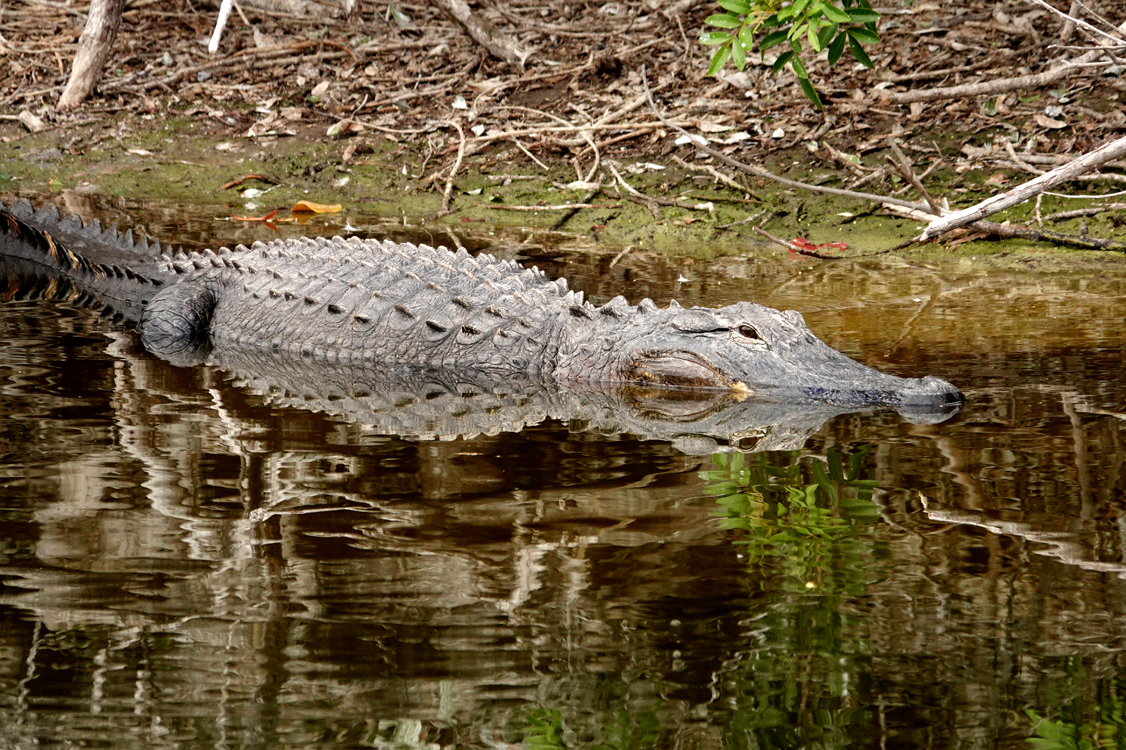
&spspspsp;American alligator  -  Marsh Rabbit Run Trail, Circle B Bar Reserve, Florida --- Norman’s Note: This area of Florida is experiencing extreme drought. Notice the small amount of water the alligator is in.&spspspsps;Black-bellied whistling duck  -  Alligator Alley Trail, Circle B Bar Reserve, Florida

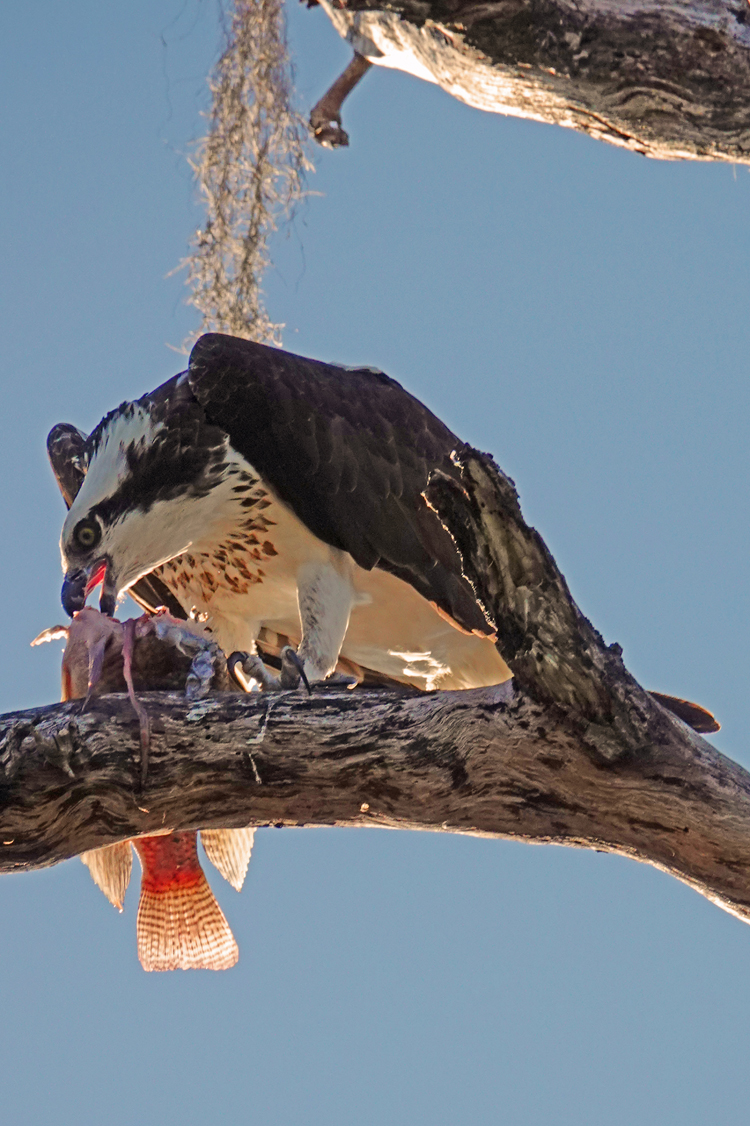
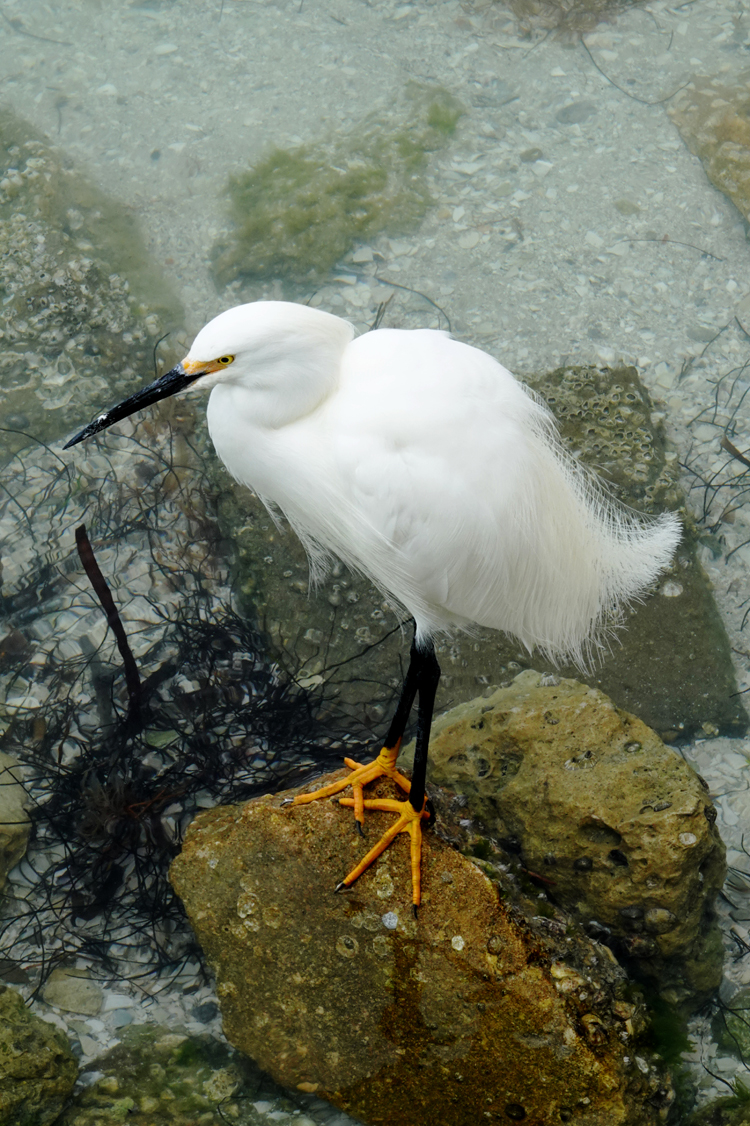
&spspspspspspspsps;Osprey eating a fish  -  Shady Oak Trail, Circle B Bar Reserve, Florida&pspspspsps;Snowy egret  -  Sarasota Bay, Sarasota, Florida

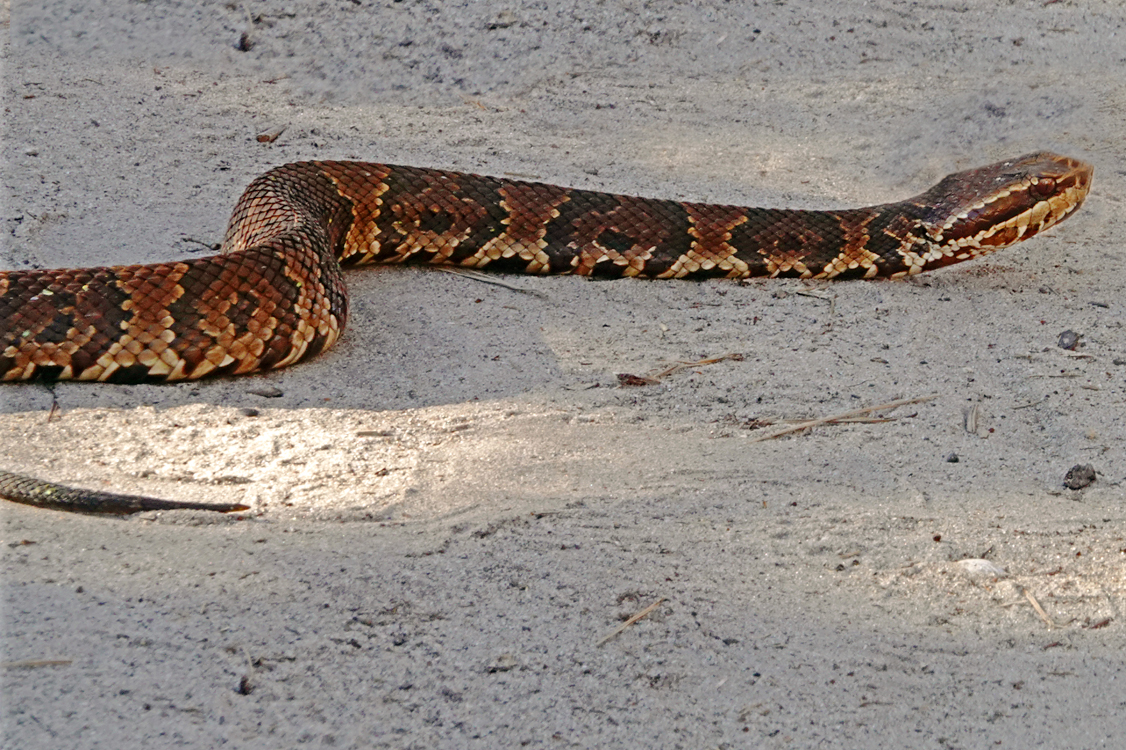
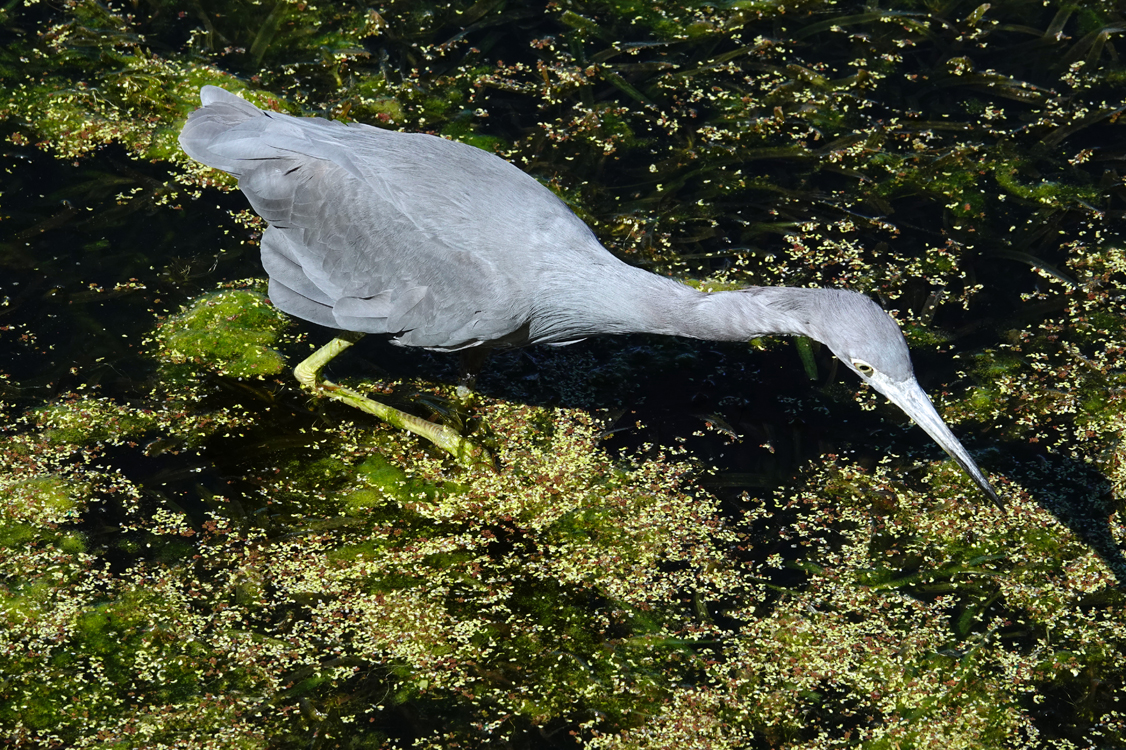
&spspspsp;Juvenile Florida cottonmouth snake  -  Marsh Rabbit Run Trail, Circle B Bar Reserve, Florida --- Norman’s Note: This Florida cottonmouth snake – approximately 2 feet long – is the only one I’ve seen in the wild.&spspspsps;Little blue heron searching for food  -  Mirror Lake, Lakeland, Florida

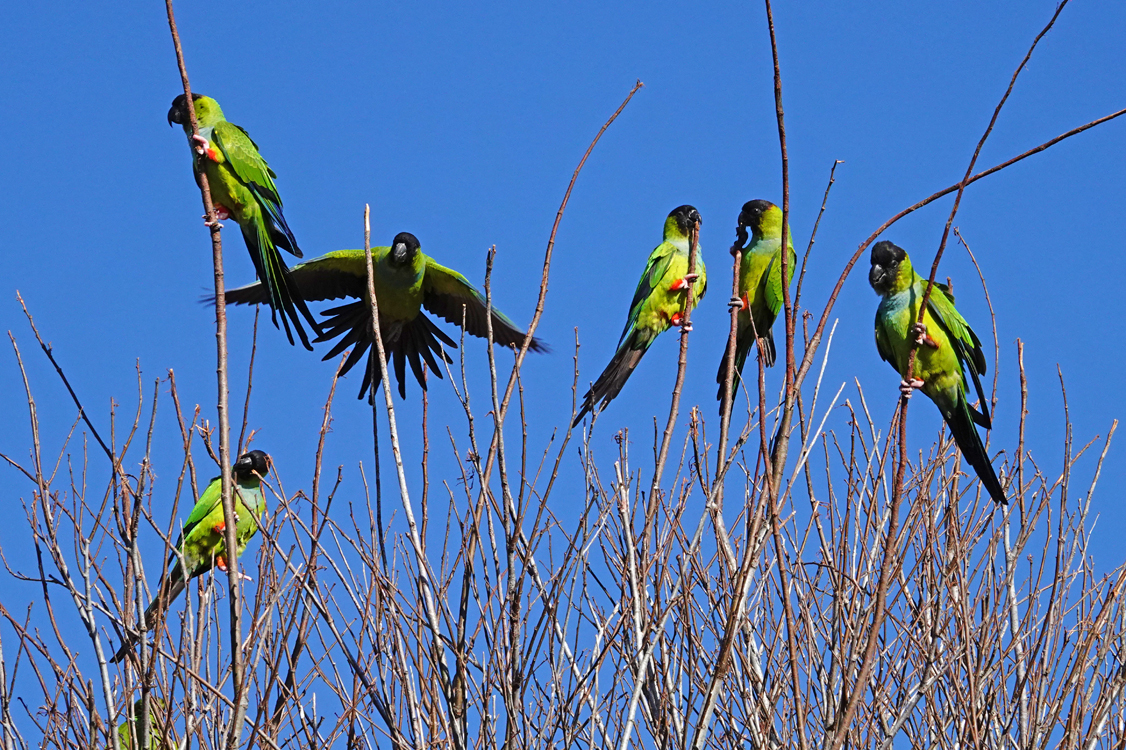
Nanday parakeet  -  Sarasota Audubon Nature Center, Sarasota, County, Florida


Nanday parakeets  -  Sarasota Audubon Nature Center, Sarasota, County, Florida


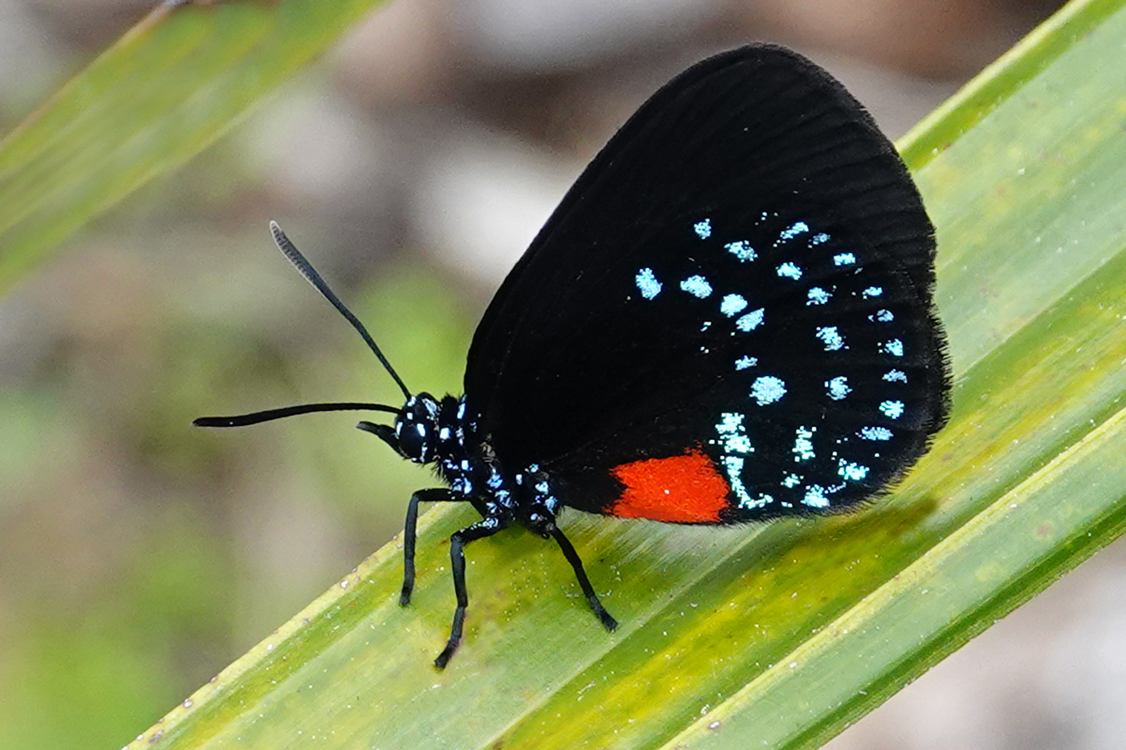
Atala butterfly -  Sarasota Audubon Nature Center, Sarasota, County, Florida --- Norman’s Note: This species of butterfly only exists in southern Florida and the Bahamas. In the mid-twentieth century, it was thought to have disappeared from the U.S. (mainly due to loss of habitat) until a few small colonies were found in the early 1960s.


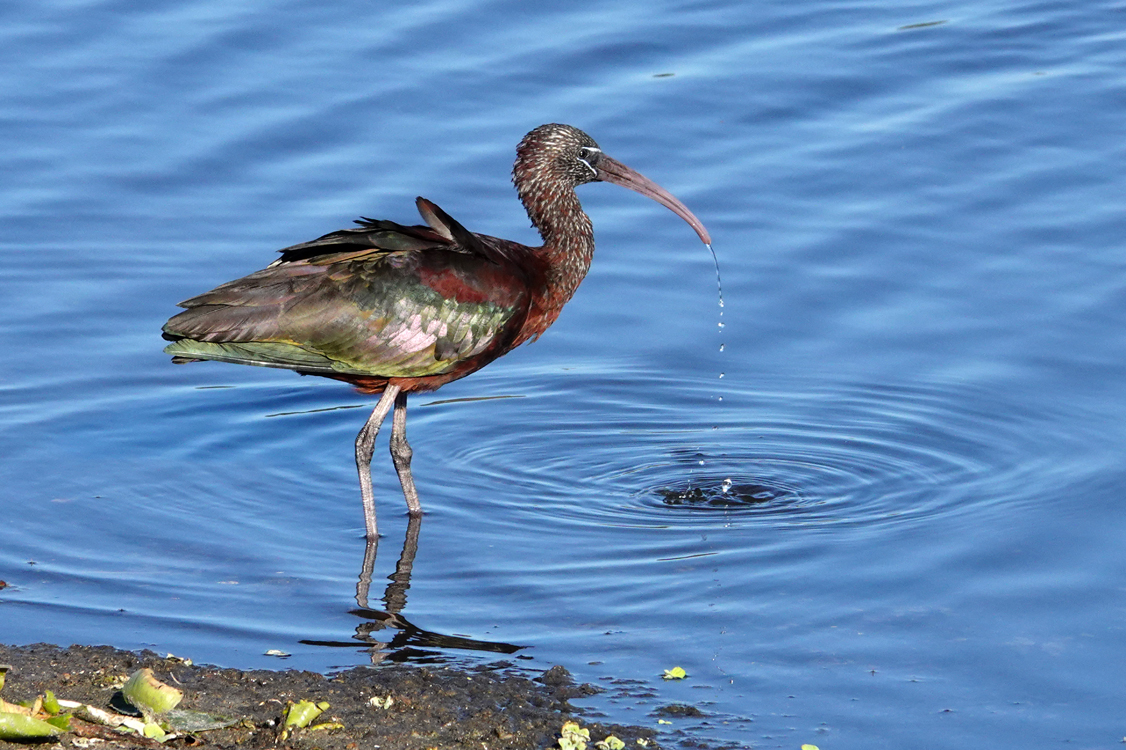
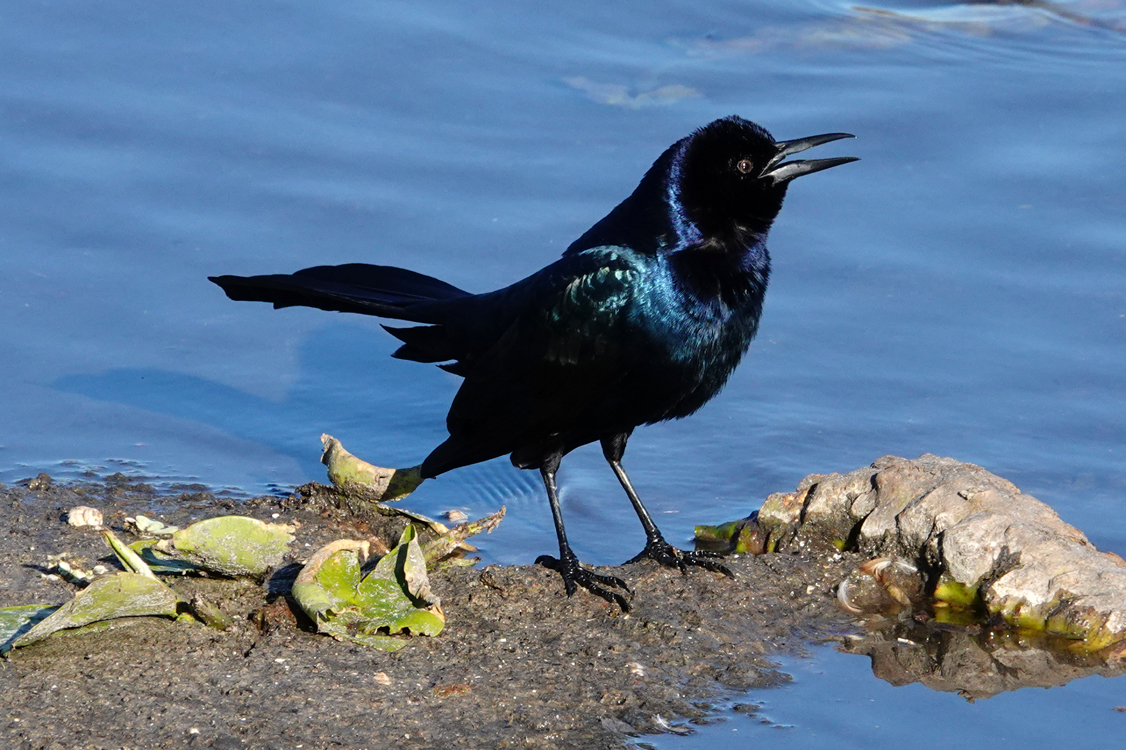
&spspspsp;Glossy ibis  -  Palmer Boardwalk, The Celery Fields, Sarasota County, Florida&spspspsps;Boat-tailed grackle  -  Palmer Boardwalk, The Celery Fields, Sarasota County, Florida

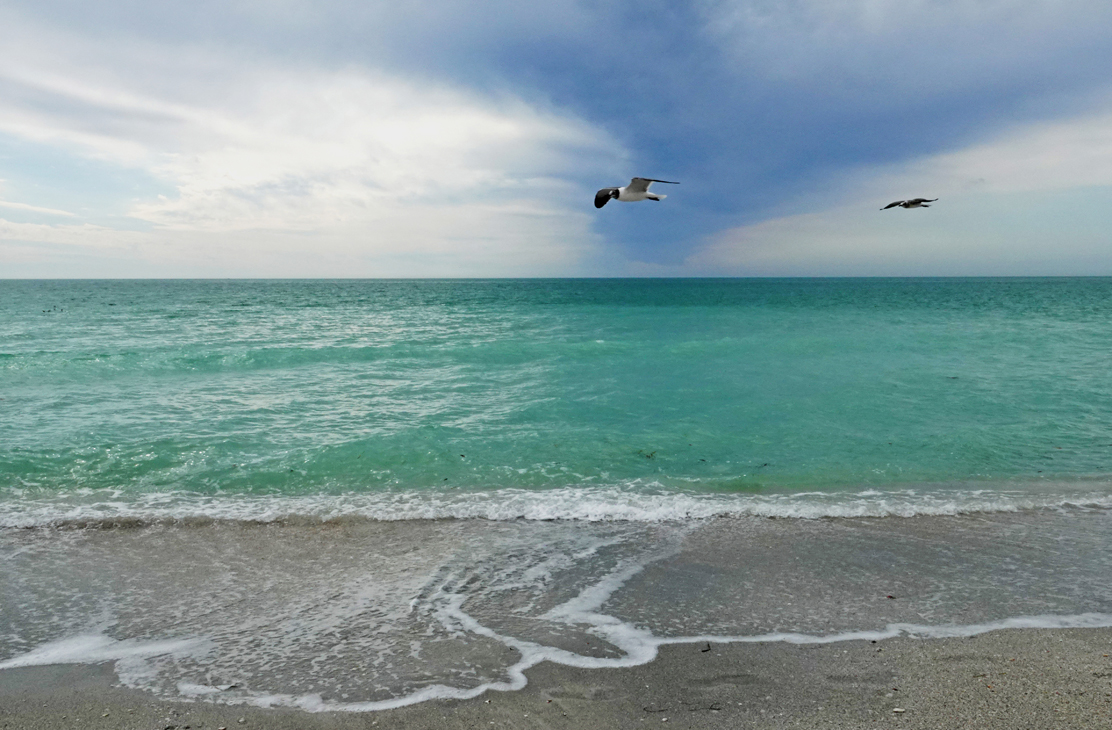
Surf line, gulls flying, rain clouds over the Gulf  -  Lido Beach, Sarasota, Florida


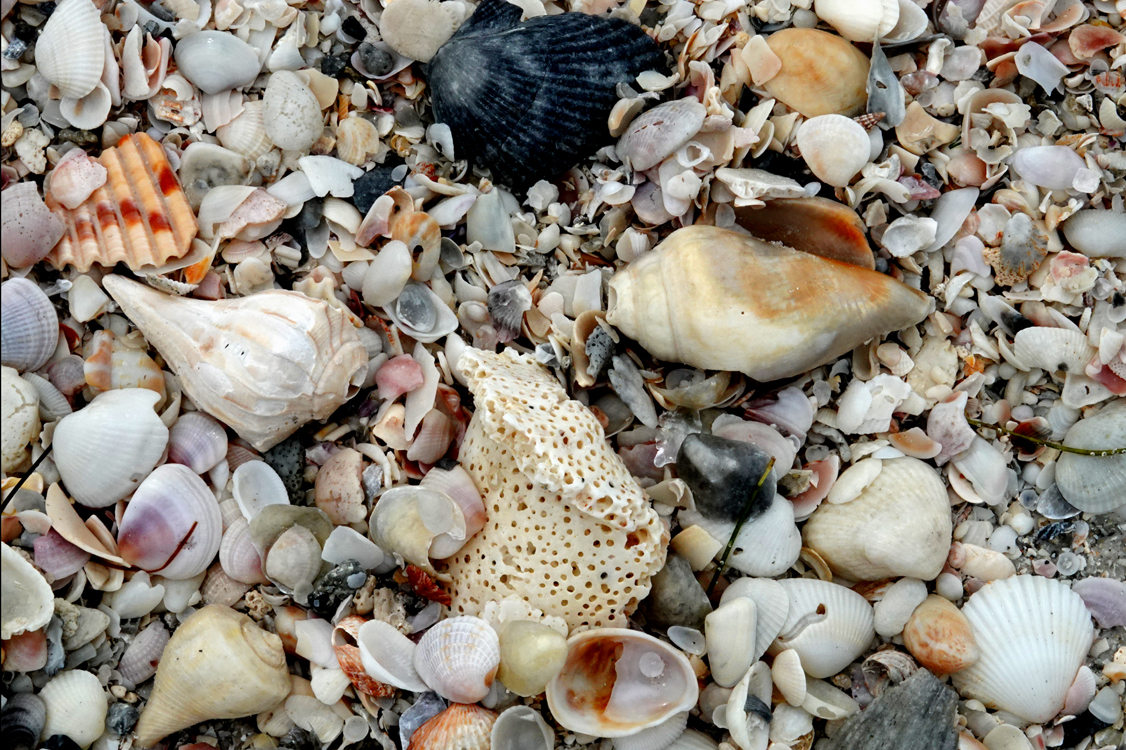
&spspspsp;Shells  -  Lido Beach, Sarasota, Florida&spspspsps;

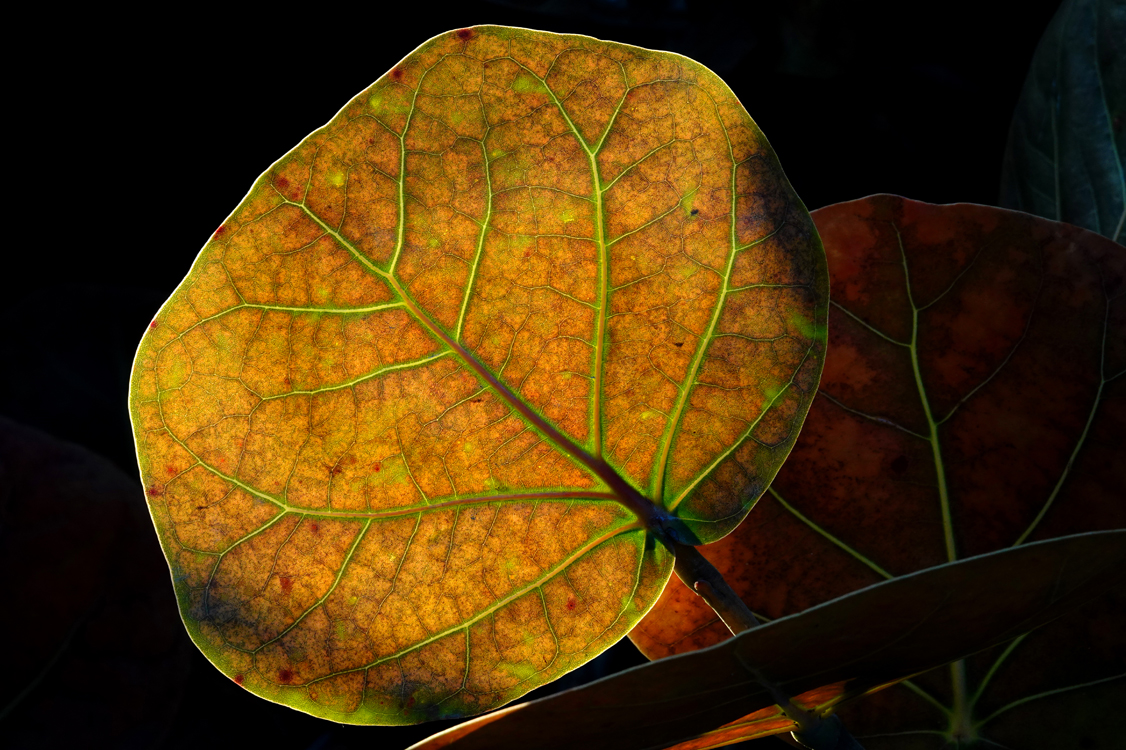
Backlit sea grape leaf  -  Turtle Beach, Sarasota County, Florida


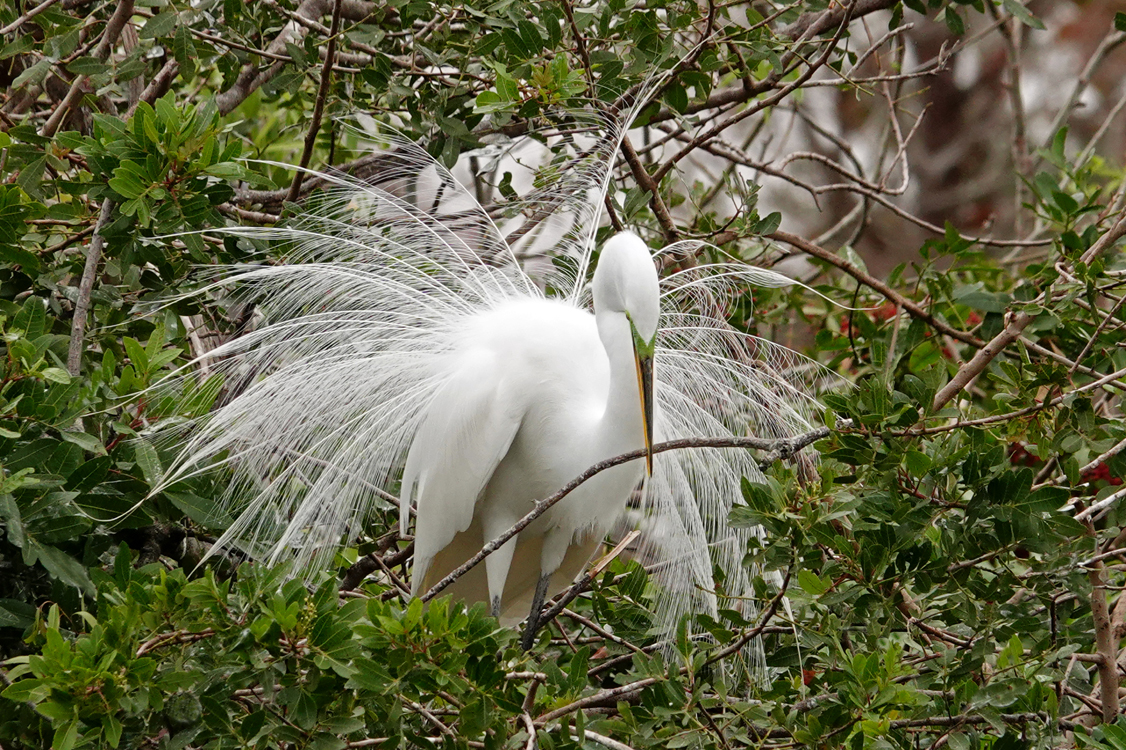
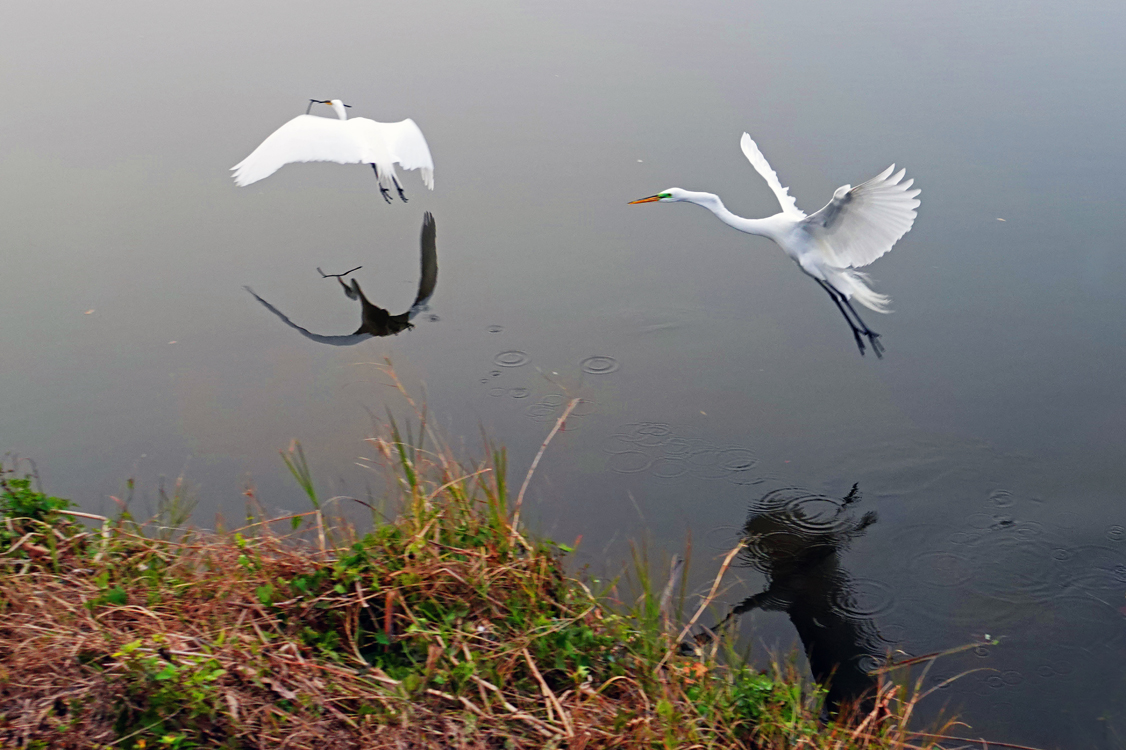
&spspspsp;Great egret (female) in breeding plumage  -  Venice Area Audubon Rookery, Venice, Florida --- Norman’s Note: For most species of wading birds, the standard is for the male to gather sticks and the female to build the nest. However, a behavior I’ve occasionally noticed in great egrets is for an unattached female – notice the gorgeous white breeding plumage – to retrieve sticks on her own and work on nest building.&spspspsps;Two great egrets in flight  -  Venice Area Audubon Rookery, Venice, Florida --- Norman’s Note: The egret on the left has just taken off after finding a stick he is transporting back to the nest. The egret on the right is preparing to land to begin his search for the “right” stick to take back to his mate.

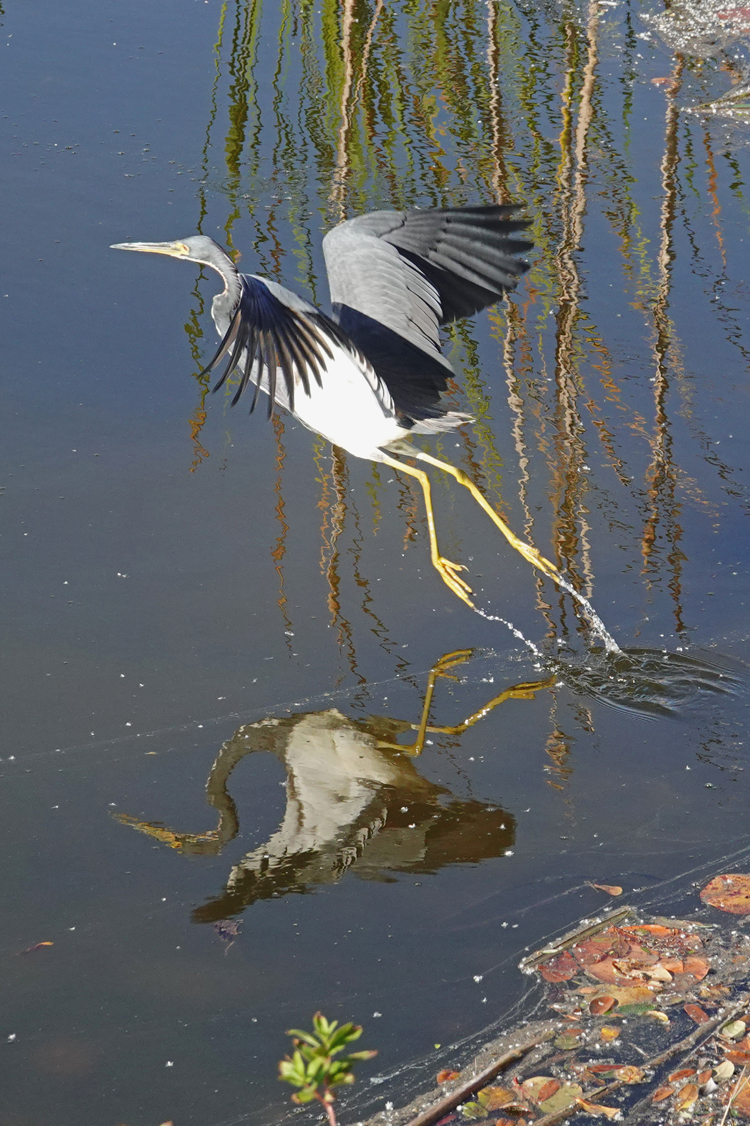
Tricolored heron taking off  -  Venice Area Audubon Rookery, Venice, Florida


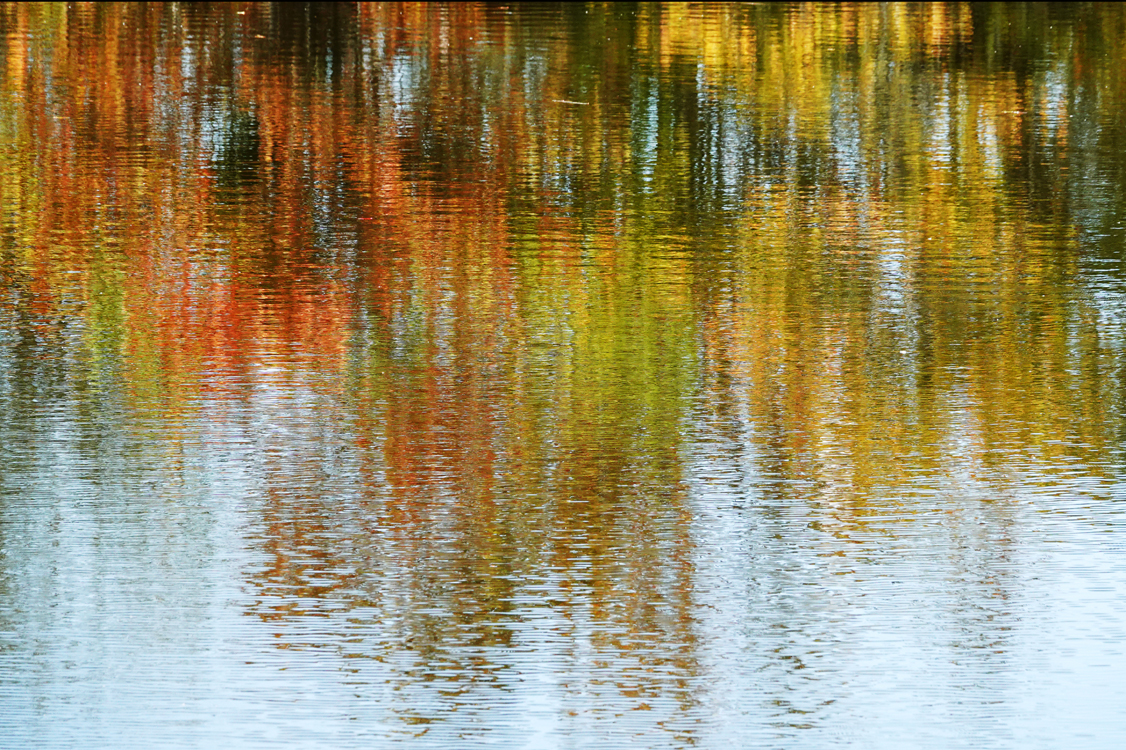
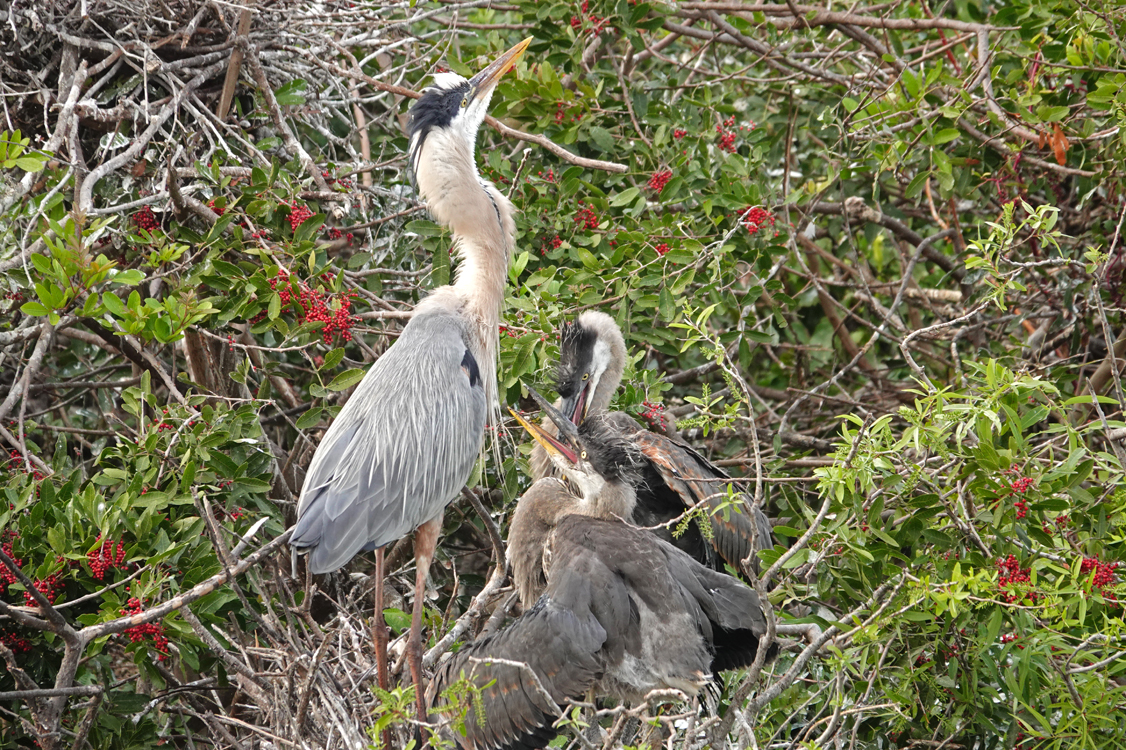
&spspspsp;Abstract reflection of lakeside vegetation  -  Venice Area Audubon Rookery, Venice, Florida&spspspsps;Great blue heron (female) with chicks  -  Venice Area Audubon Rookery, Venice, Florida --- Norman’s Note: These two large chicks are approximately 8 weeks old. From watching their feeding over the course of several days, the chick in the back was the more dominant of the two, getting most of the food the mom brought back to the nest.

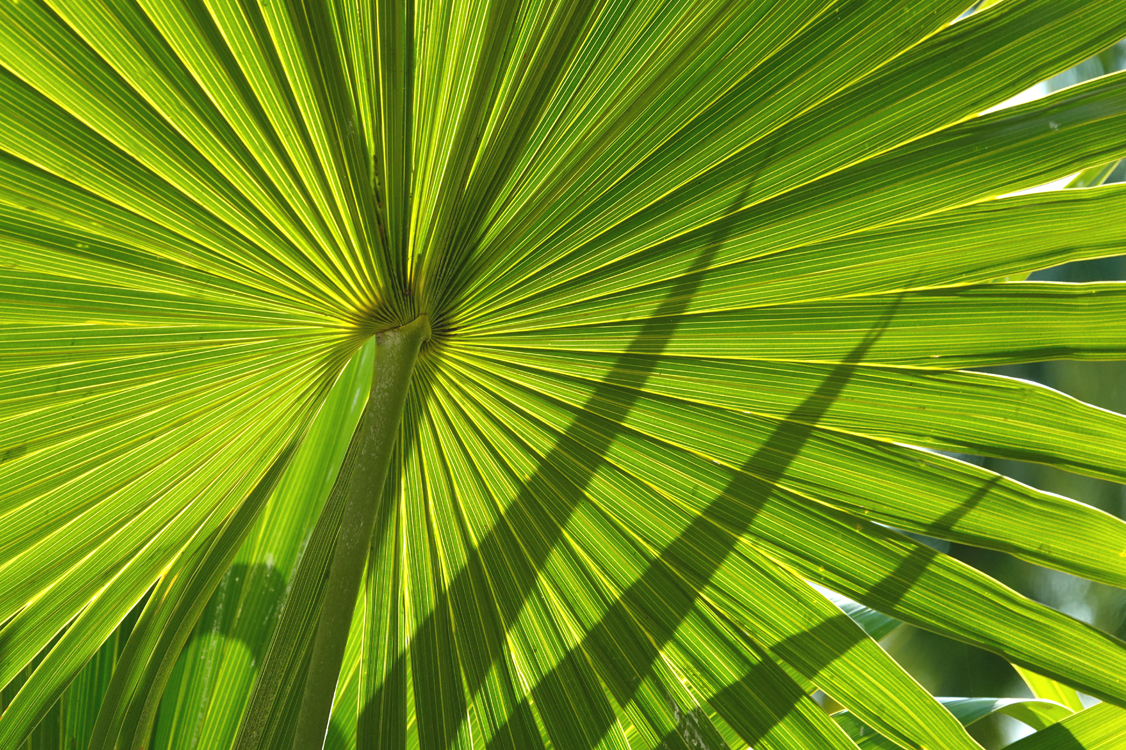
&spspspsp;American alligator  -  Venice Area Audubon Rookery, Venice, Florida&spspspsps;Palm fronds with shadows  -  Marie Selby Botanical Gardens, Sarasota, Florida

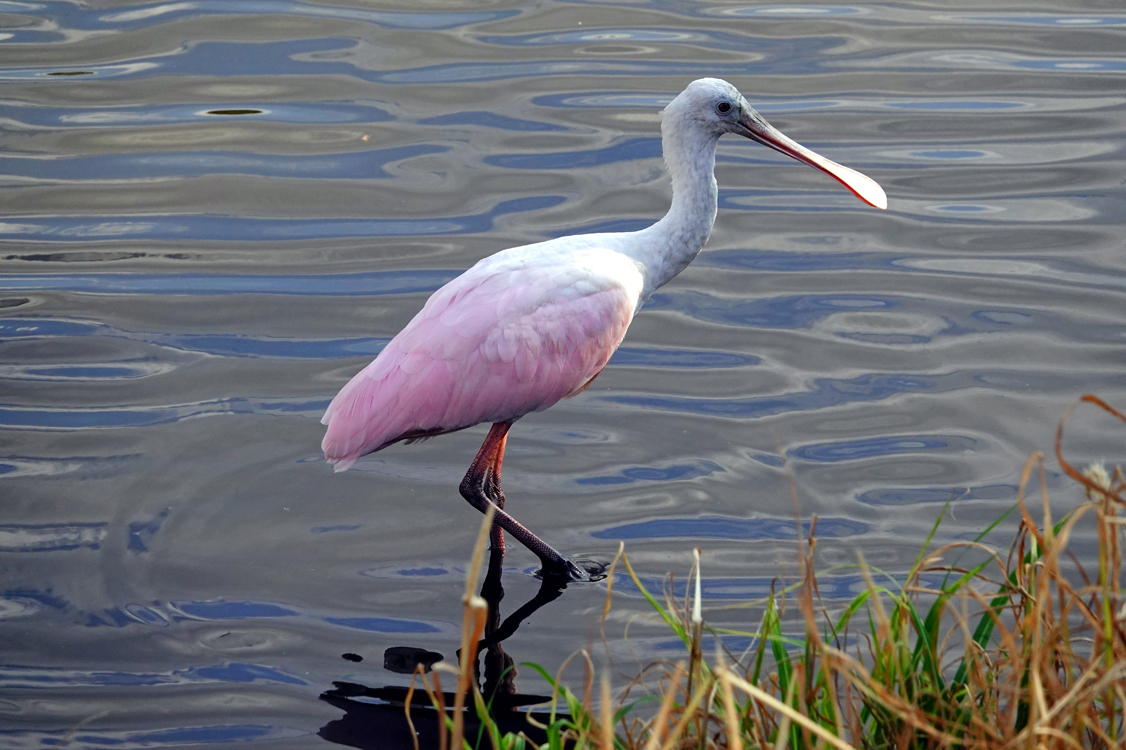
Juvenile Roseate spoonbill  -  Upper Myakka Lake, Myakka River State Park, Florida --- Norman’s Note: It is always a special experience to see one of these uncommon birds in the wild. As this bird matures to an adult, the pale pink wings will become bright, deep pink.


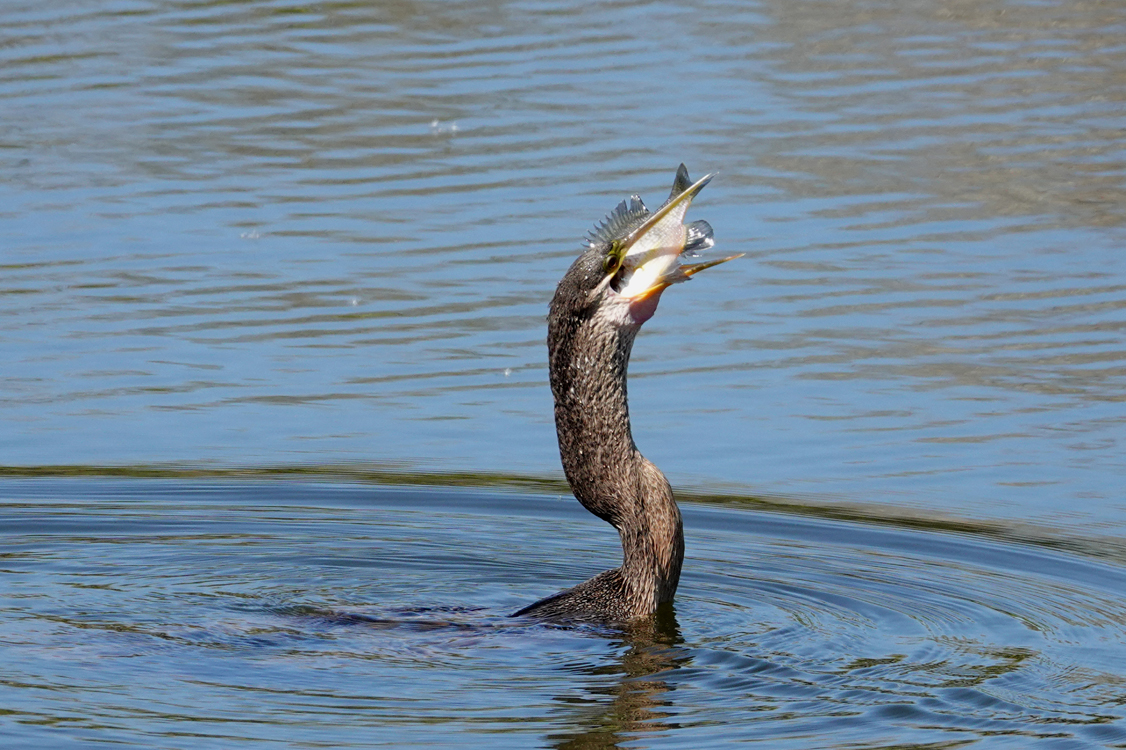
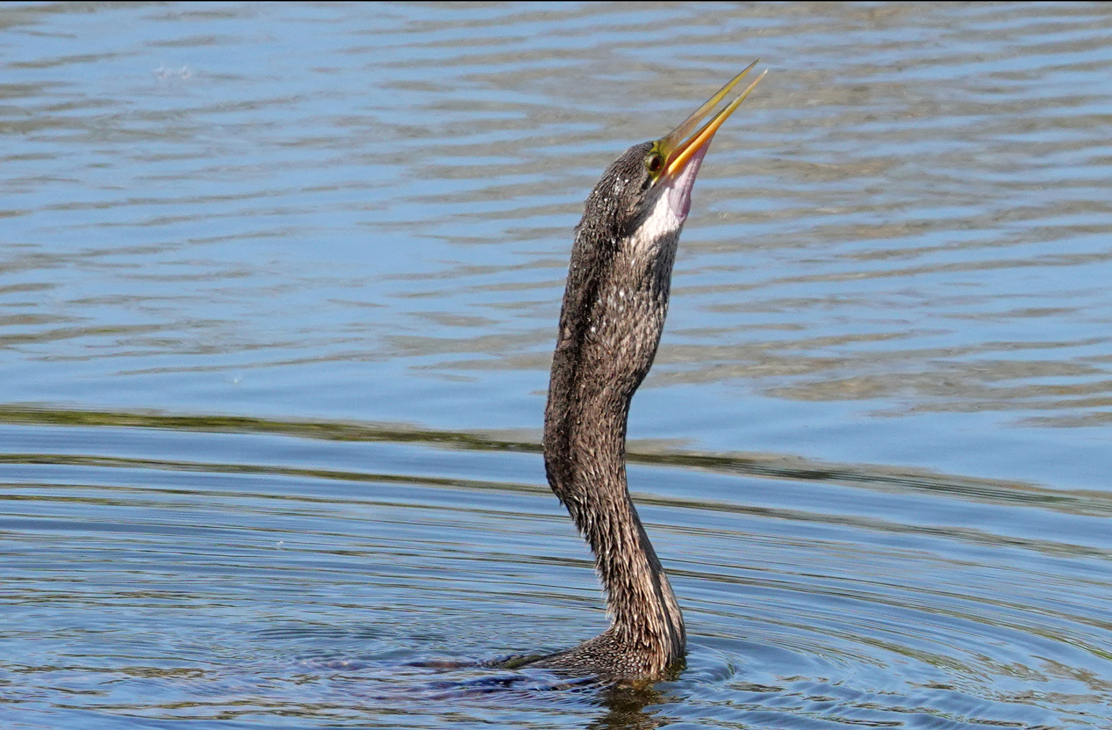
&spspspsp;'Going . . .' Anhinga (male) devouring a fish  -  Venice Area Audubon Rookery, Venice, Florida&spspspsps;' . . . Gone!' Anhinga (male) after swallowing a fish  -  Venice Area Audubon Rookery, Venice, Florida

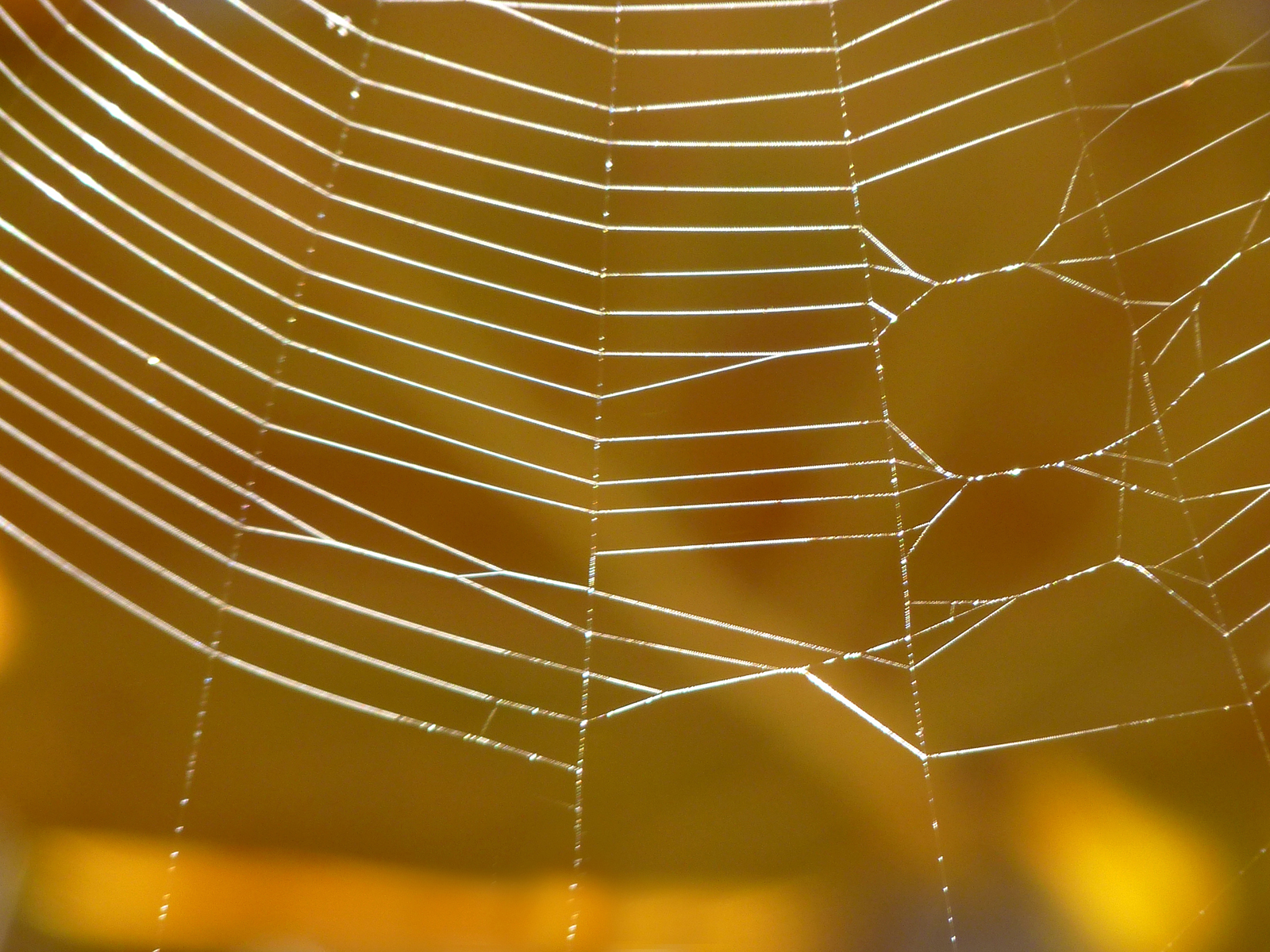
Spider web  -  South Brohard Park, Sarasota County, Florida


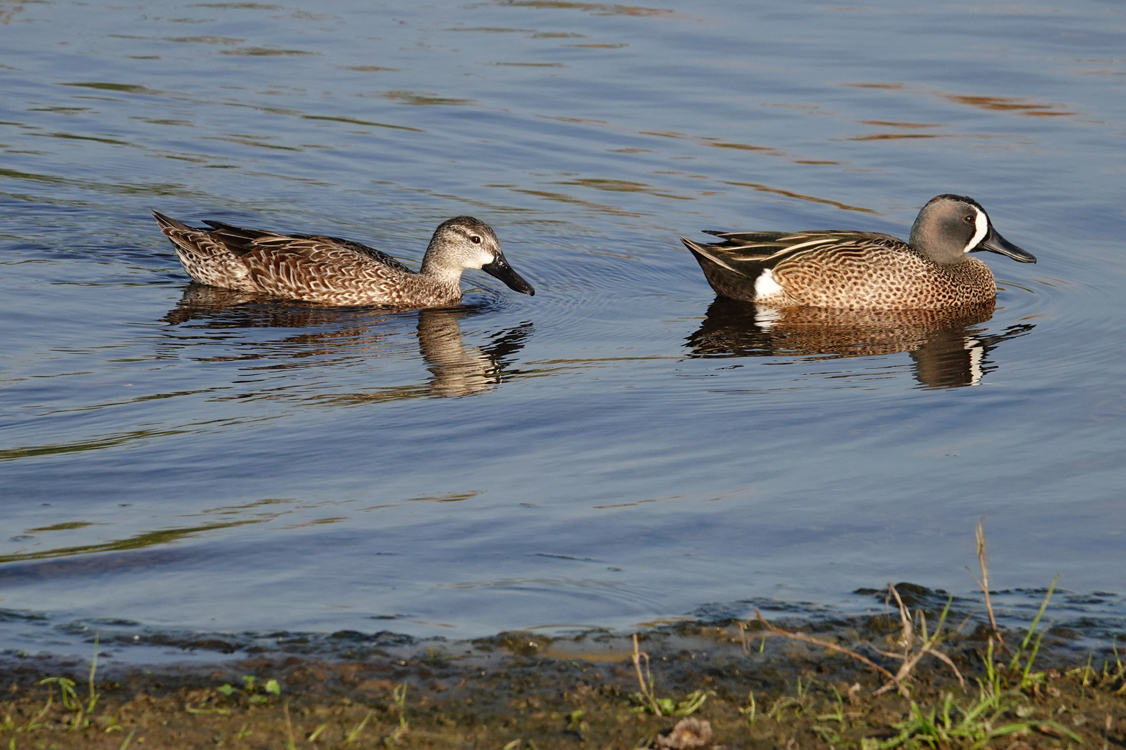
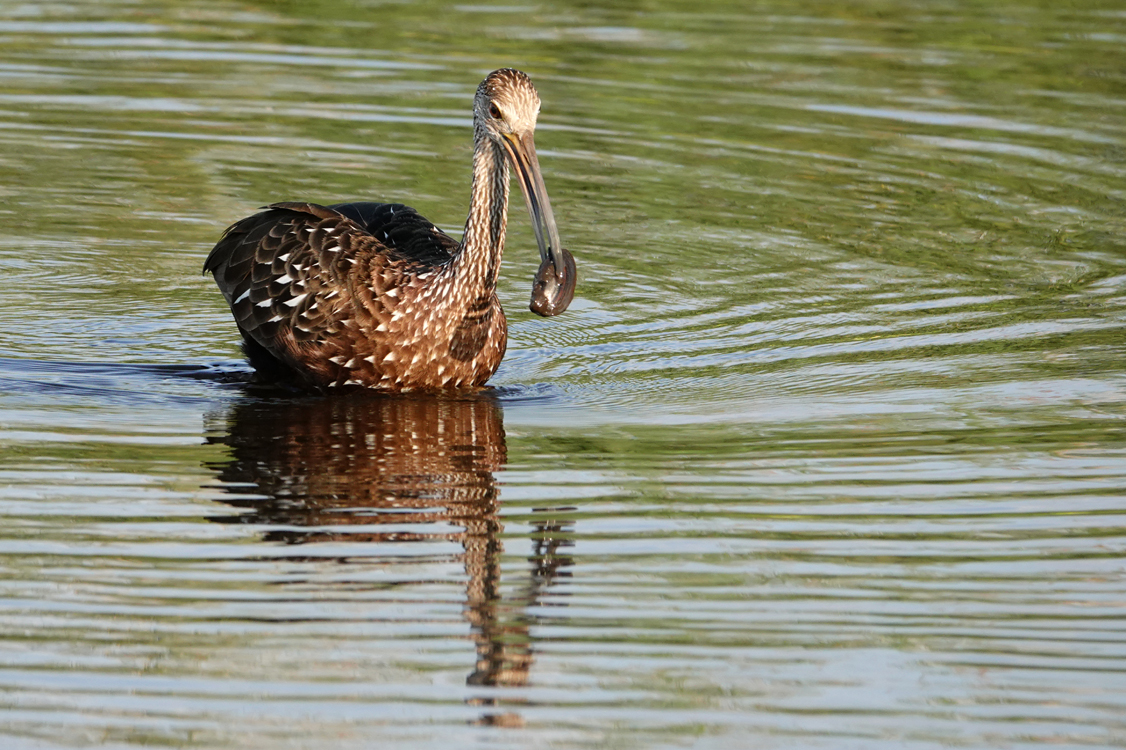
&spspspsp;Blue-winged teals (female-left, male-right)  -  Upper Myakka Lake, Myakka River State Park, Florida&spspspsps;Limpkin with a bivalve  -  Upper Myakka Lake, Myakka River State Park, Florida

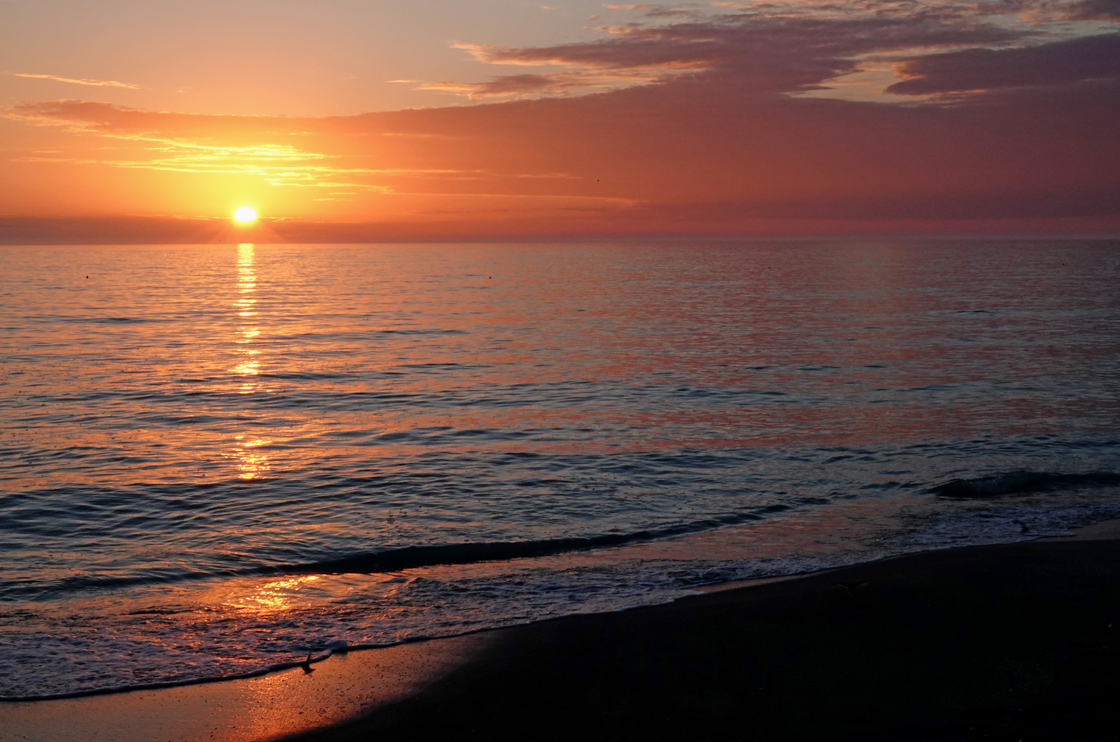
Sunset  -  Turtle Beach, Sarasota County, Florida

– – – – – – – – – – – – – – NORTH CAROLINA and SOUTH CAROLINA – – – – – – – – – – – –

[Fall – Winter 2025]
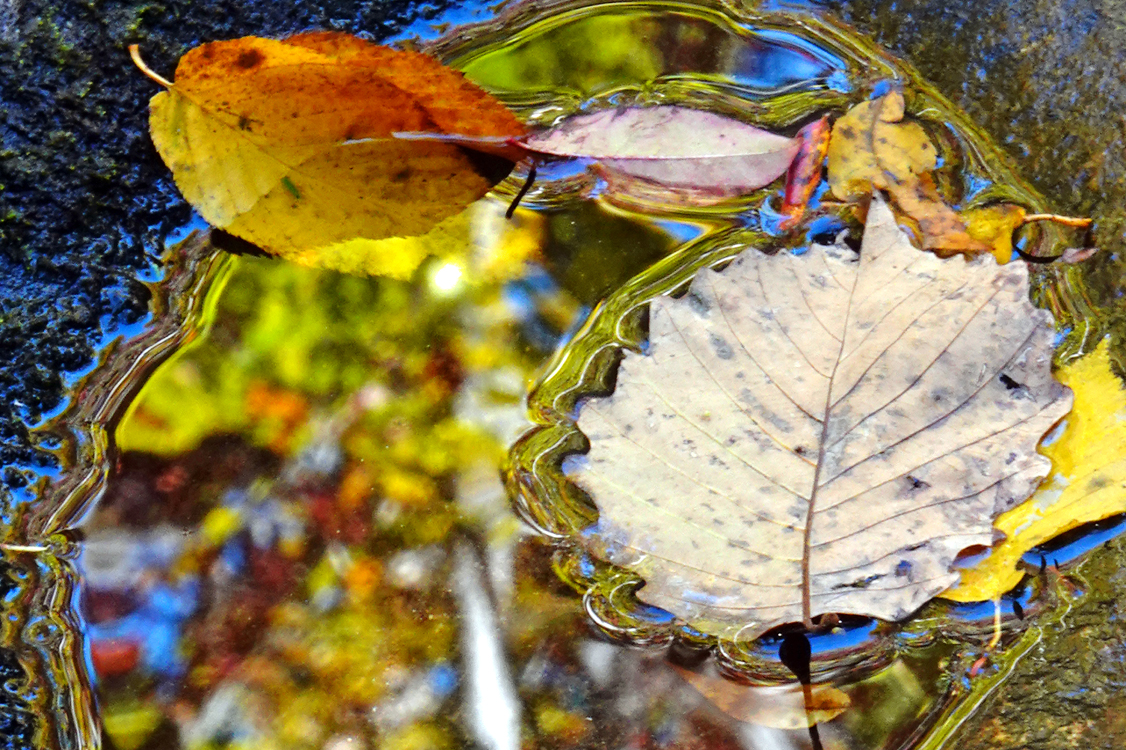
Fall color, Middle Saluda River  -  Middle Saluda Passage of the Palmetto Trail, Jones Gap State Park, South Carolina


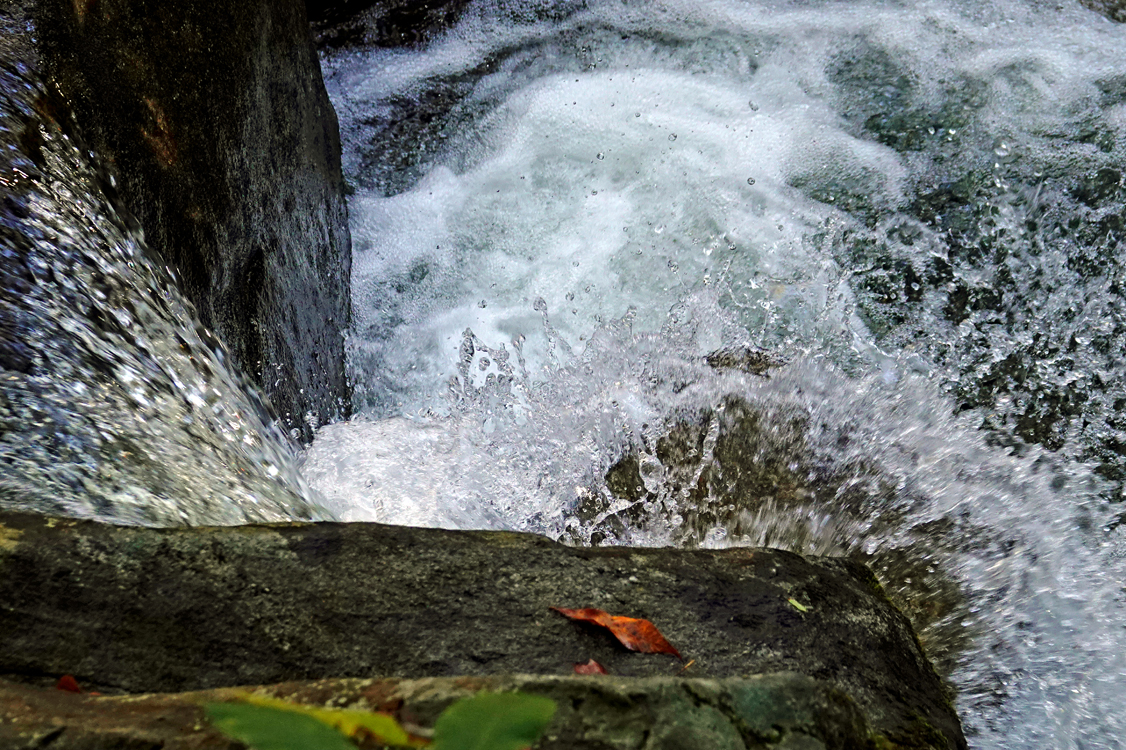
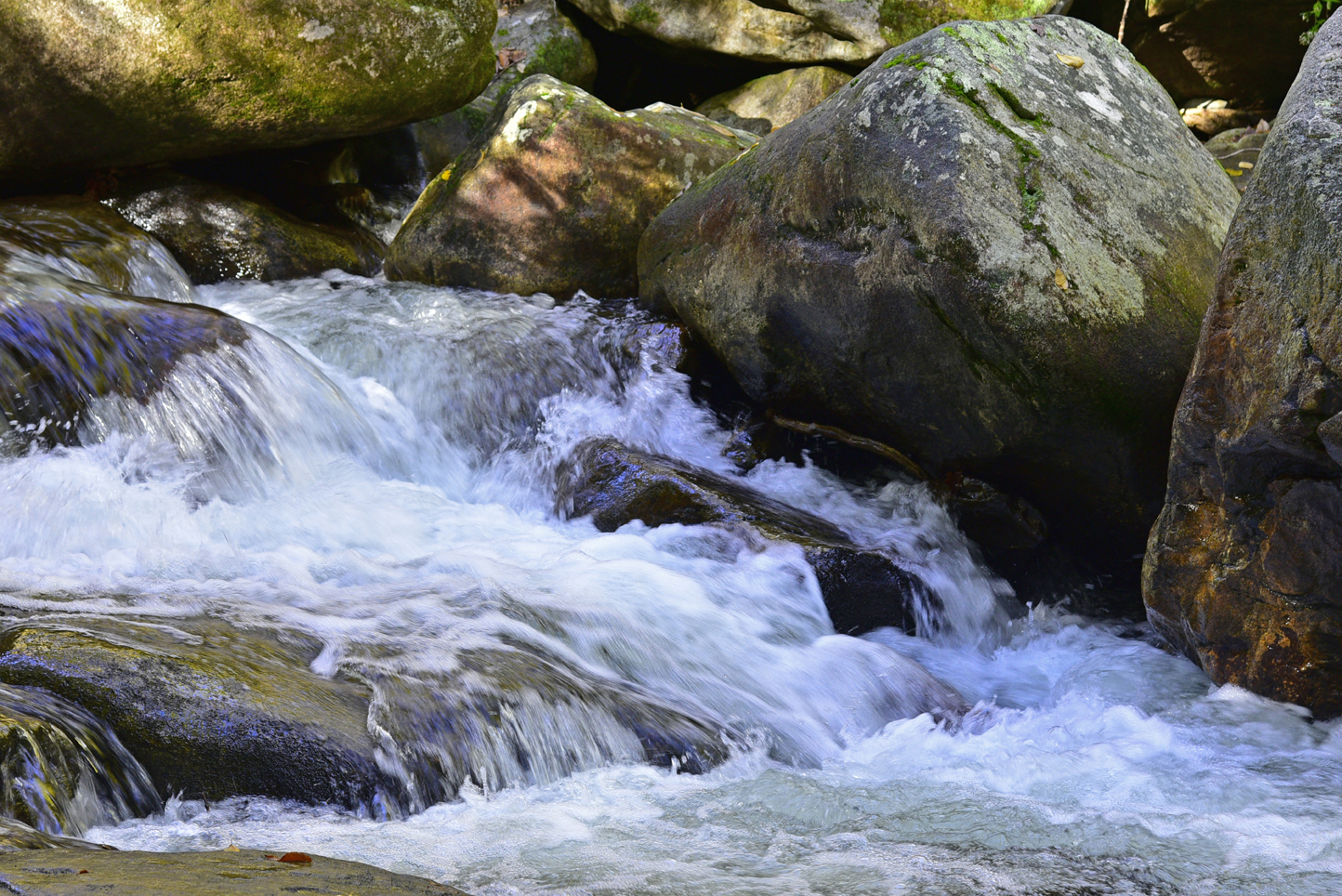
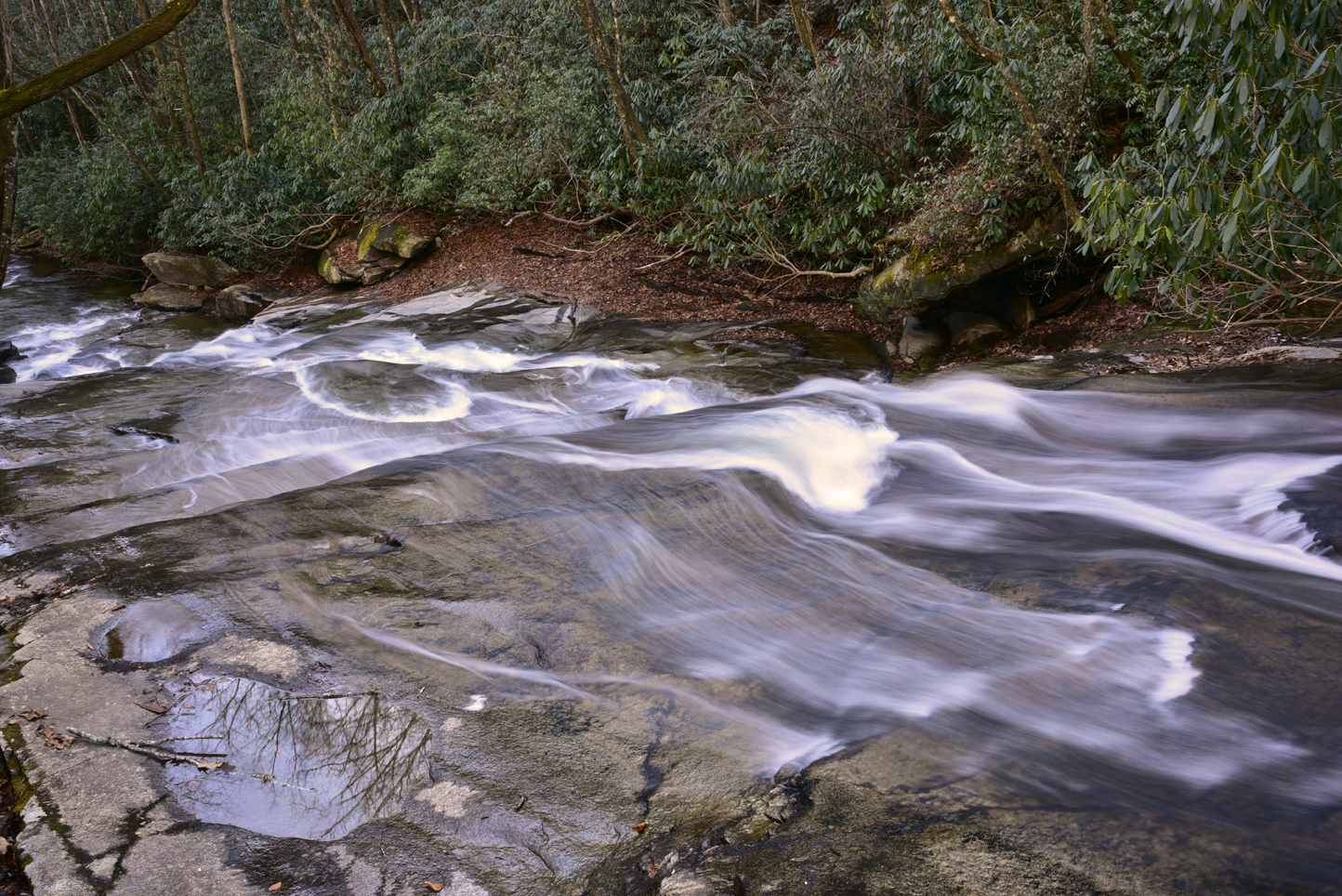
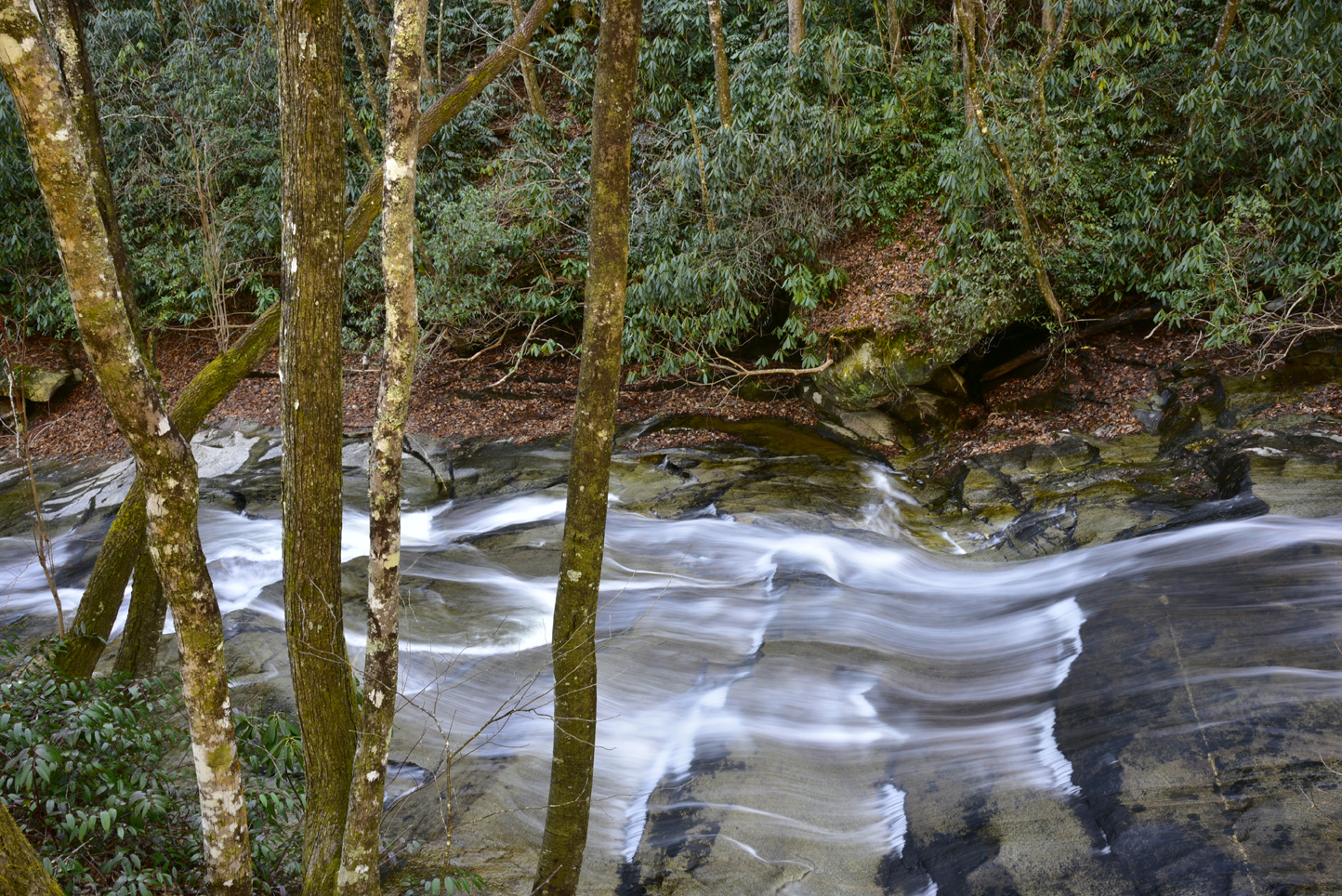
&spspspsp;Cascade, Middle Saluda River  -  Middle Saluda Passage of the Palmetto Trail, Jones Gap State Park, South Carolina&spspspsps;Cascades, Middle Saluda River  -  Middle Saluda Passage of the Palmetto Trail, Jones Gap State Park, South Carolina

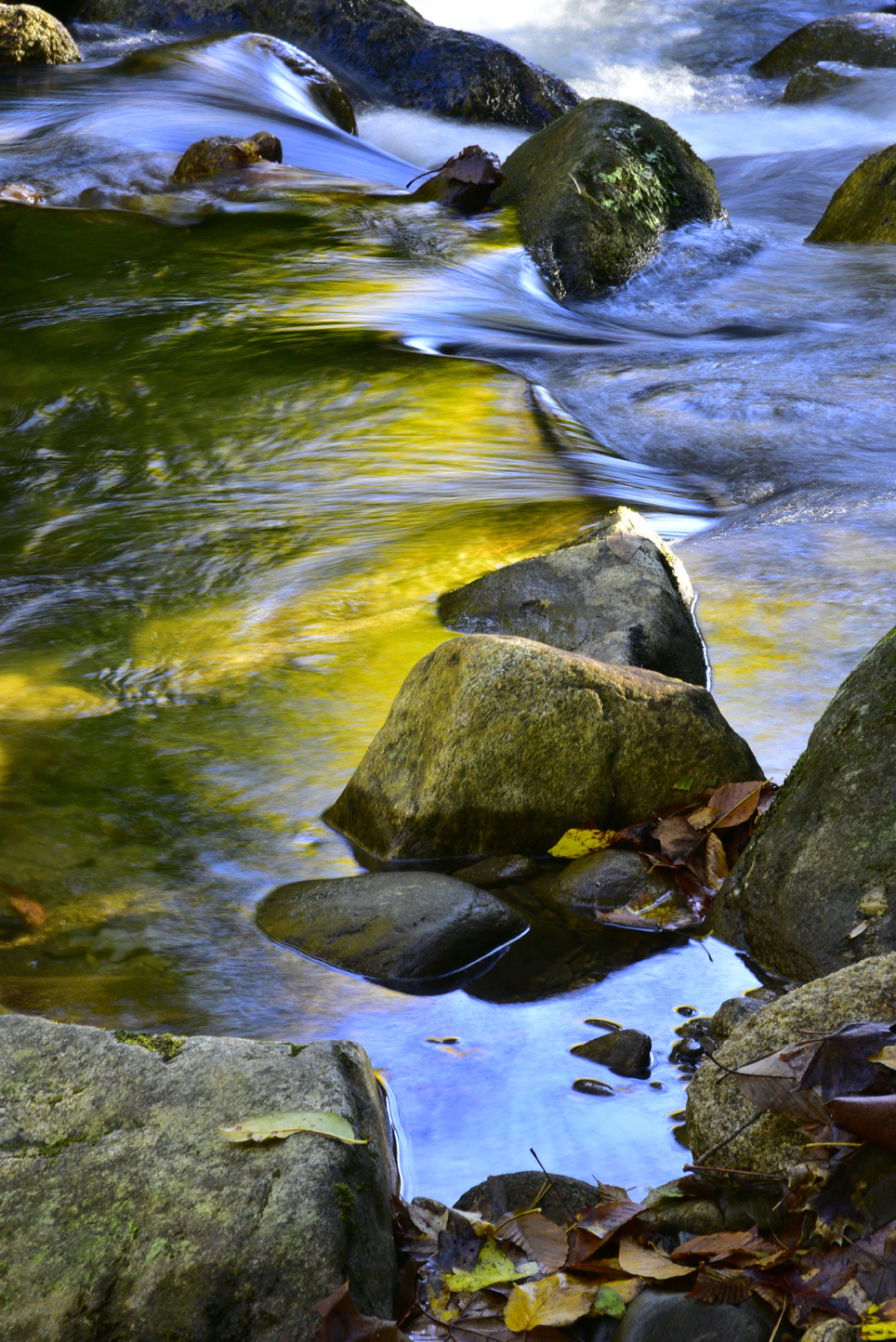
&spspspspspspspsps;Reflections, cascade, Middle Saluda River  -  Middle Saluda Passage of the Palmetto Trail, Jones Gap State Park, South Carolina&pspspspsps;Fall color reflections in trout pond  -  Middle Saluda Passage of the Palmetto Trail, Jones Gap State Park, South Carolina

&spspspsp;Cascades on Looking Glass Creek  -  Pisgah National Forest, North Carolina&spspspsps;Cascades on Looking Glass Creek  -  Pisgah National Forest, North Carolina

– – – – – – – – – – – – – – – – – ARIZONA and UTAH – – – – – – – – – – – – – – – – –

[September – October 2025]
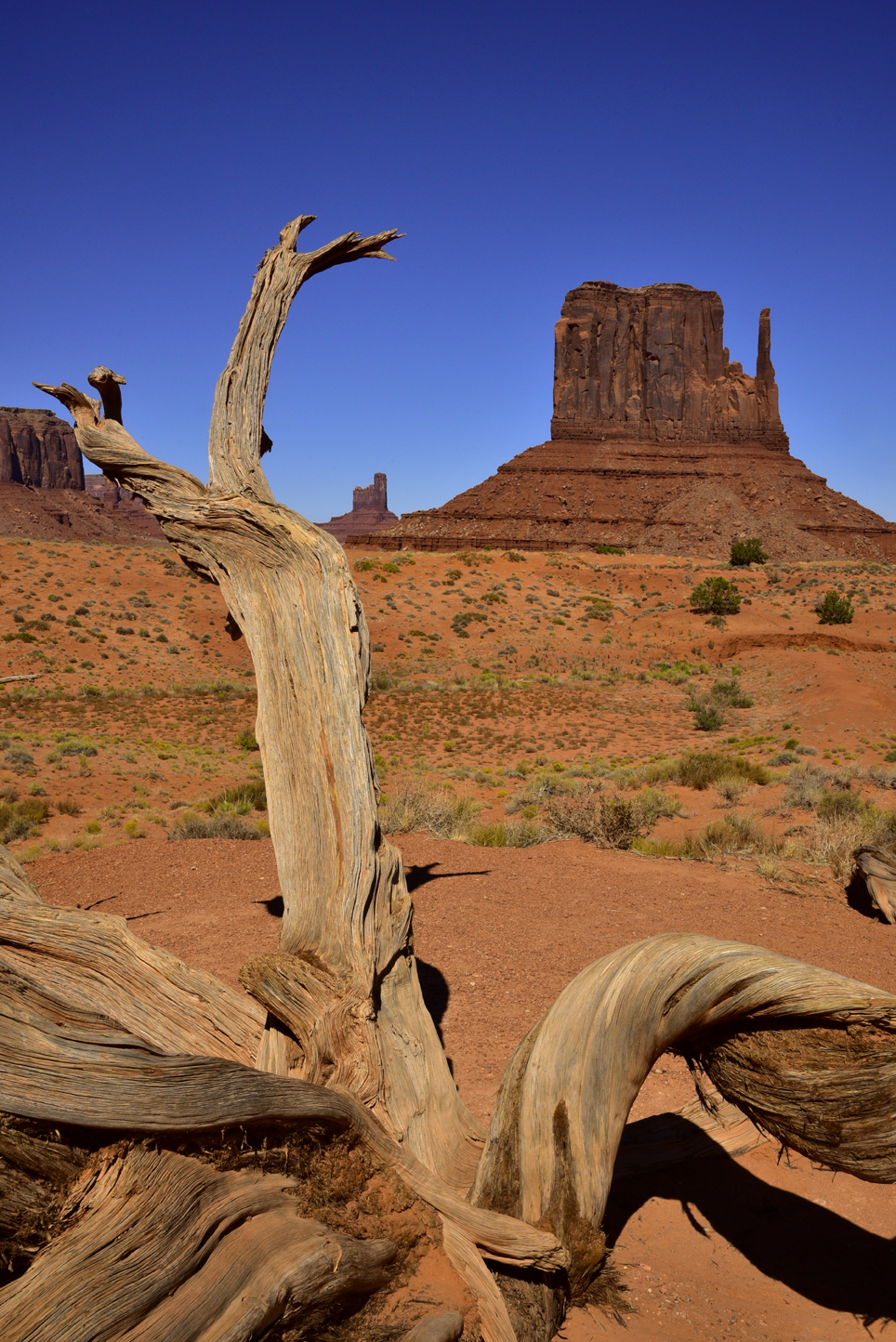
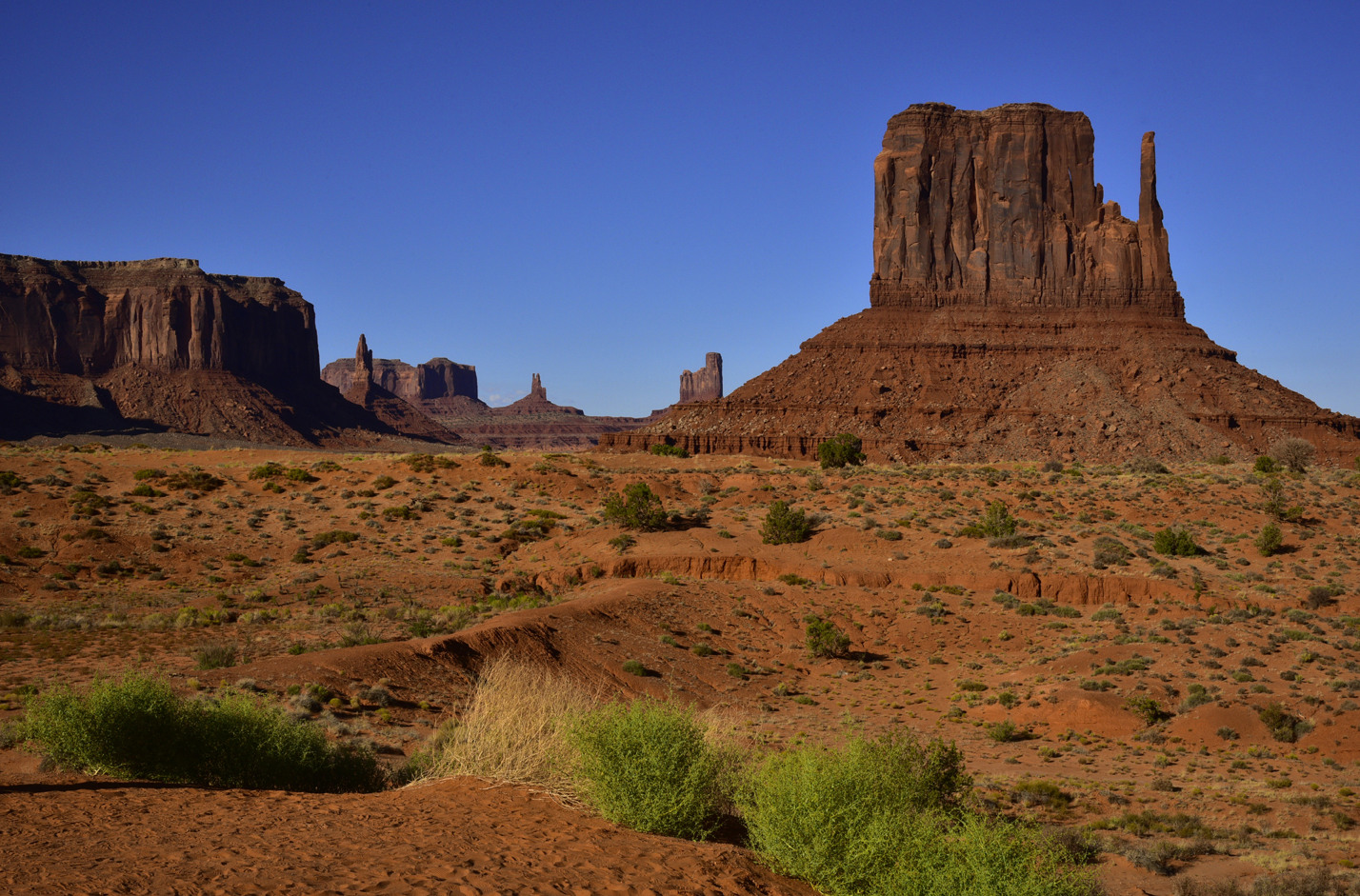
Juniper snag, West Mitten Butte  -  Scenic Drive, Monument Valley Navajo Tribal Park, Arizona


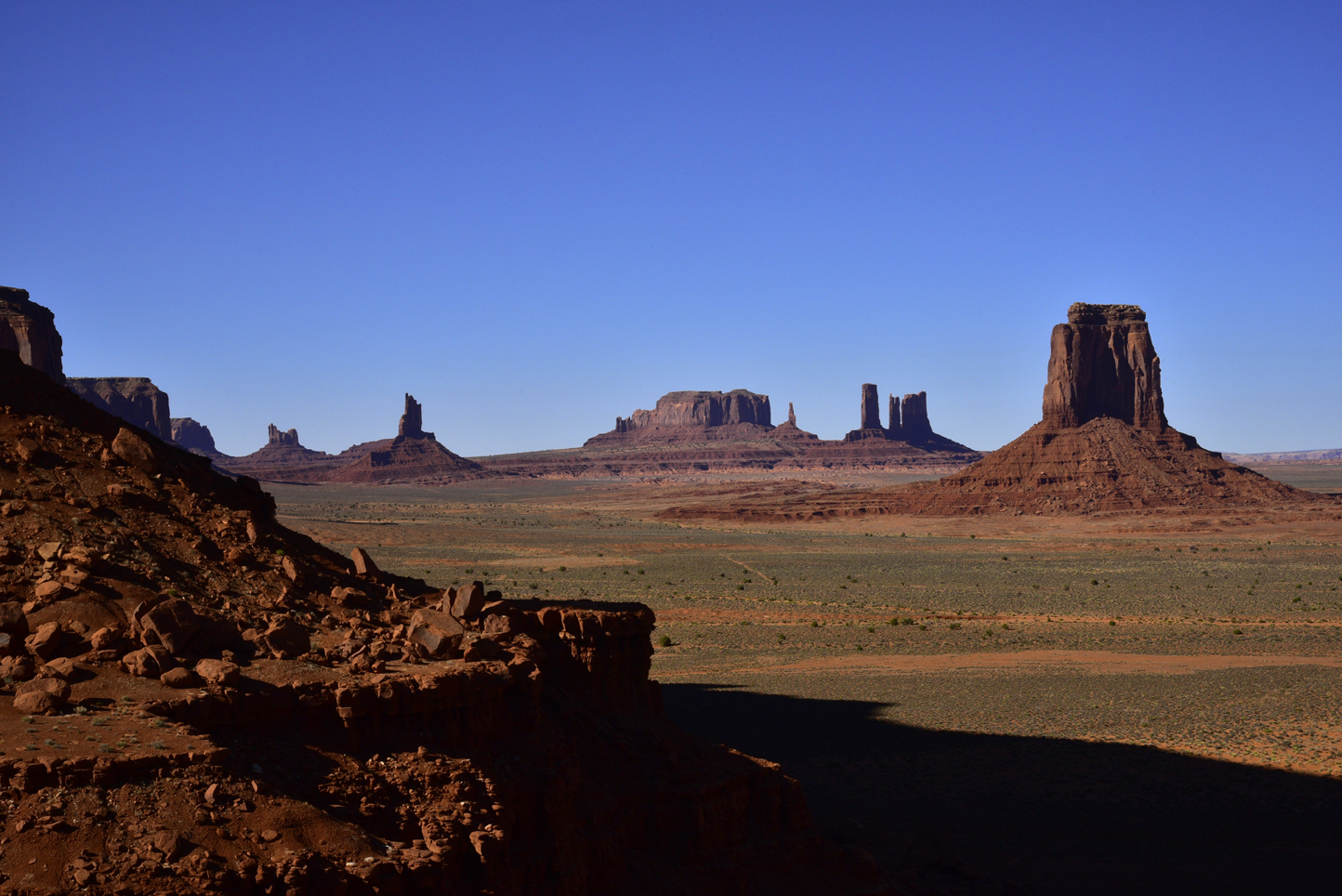
&spspspsp;View from North Window  -  Scenic Drive, Monument Valley Navajo Tribal Park, Arizona&spspspsps;West Mitten Butte (right), other buttes, mesas, spires  -  Scenic Drive, Monument Valley, Arizona


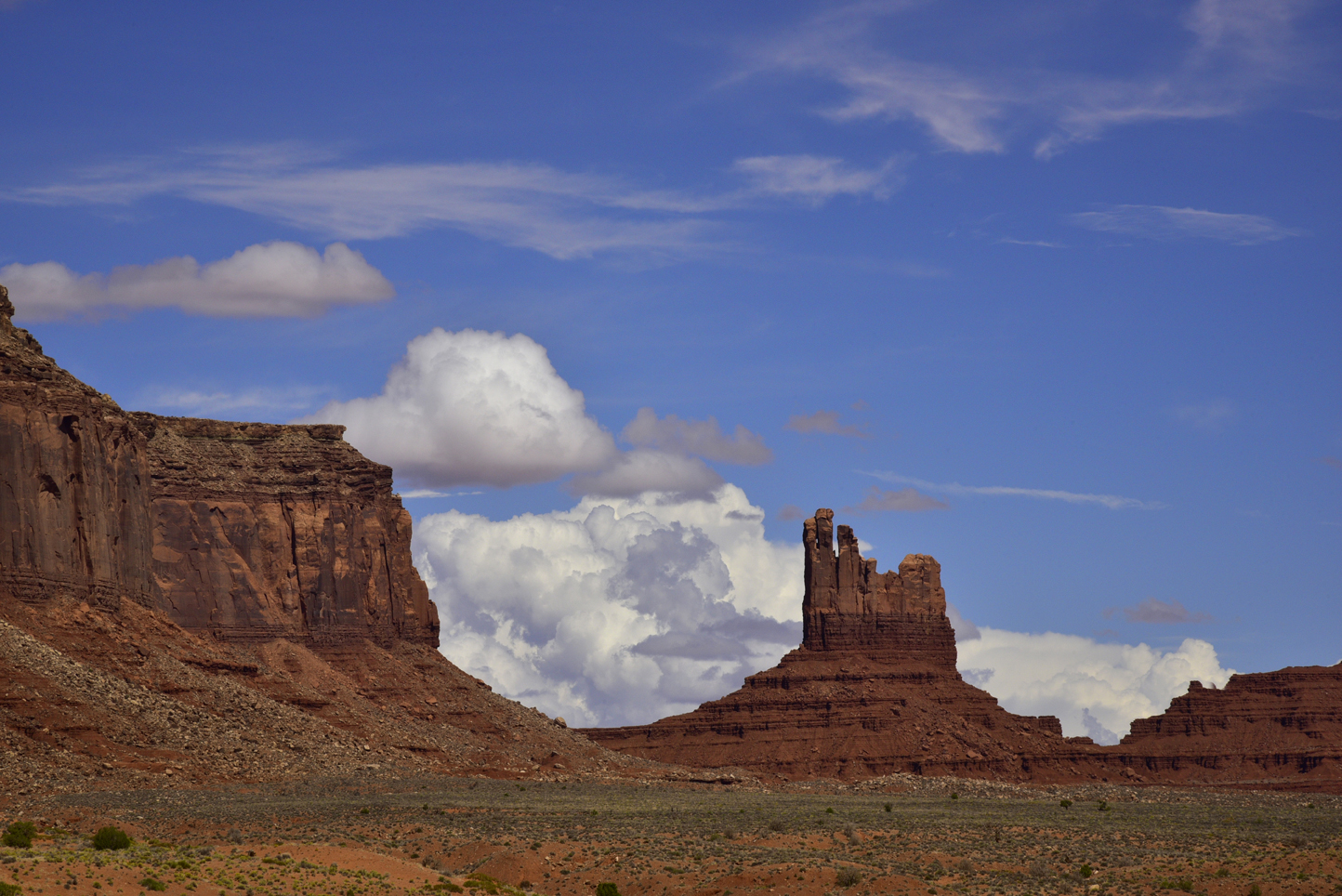
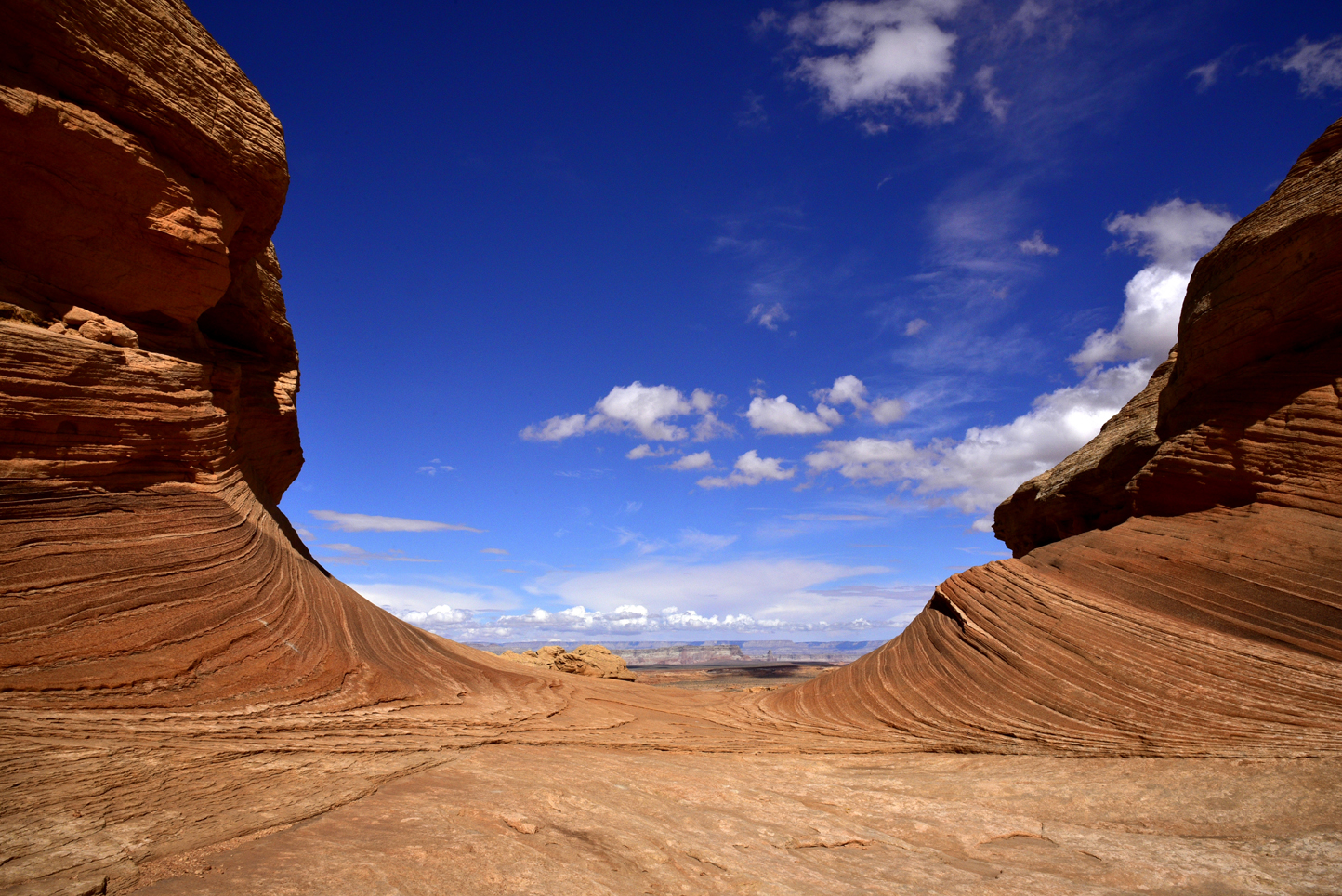
&spspspsp;The Sitting Hen (middle), clouds  -  Monument Valley, Utah&spspspsps;View from the Beehives Trail  -  Glen Canyon National Recreation Area, Arizona

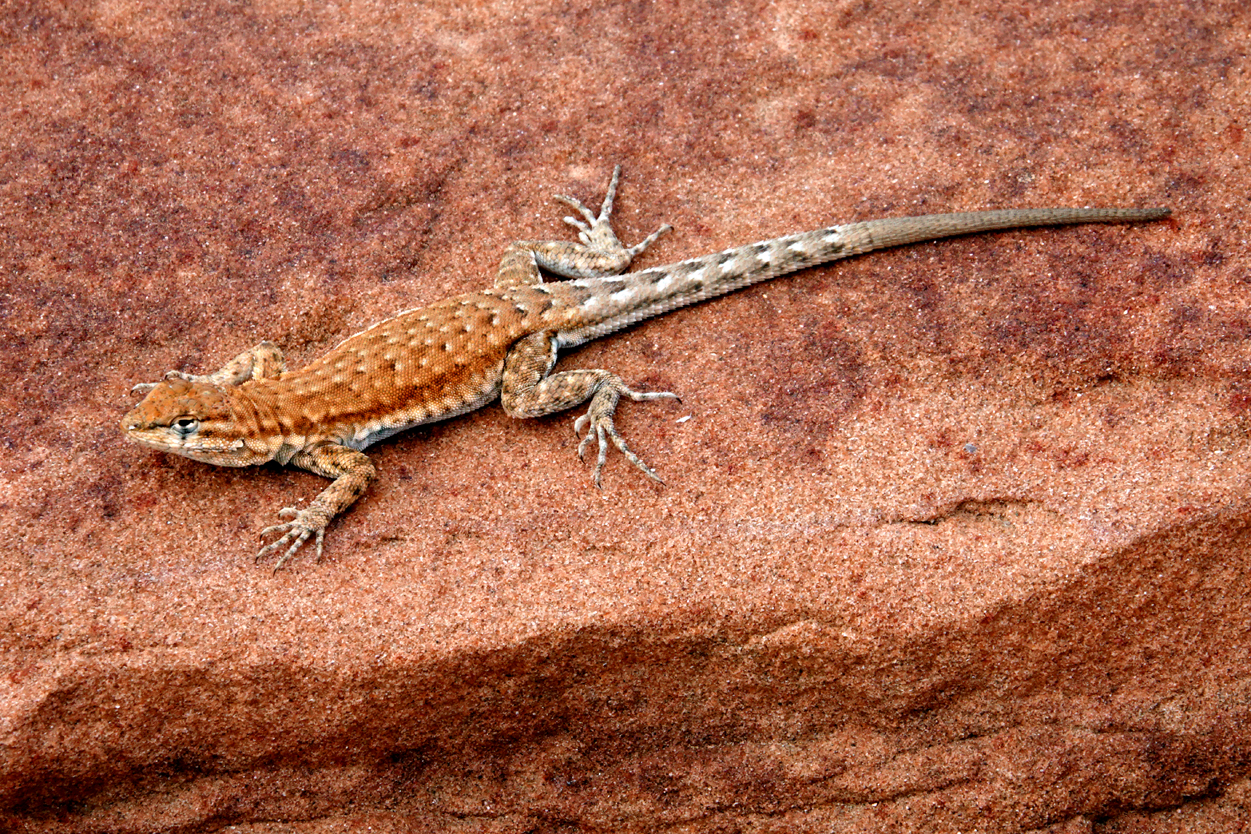
Lizard  -  The Beehives Trail, Glen Canyon National Recreation Area, Arizona


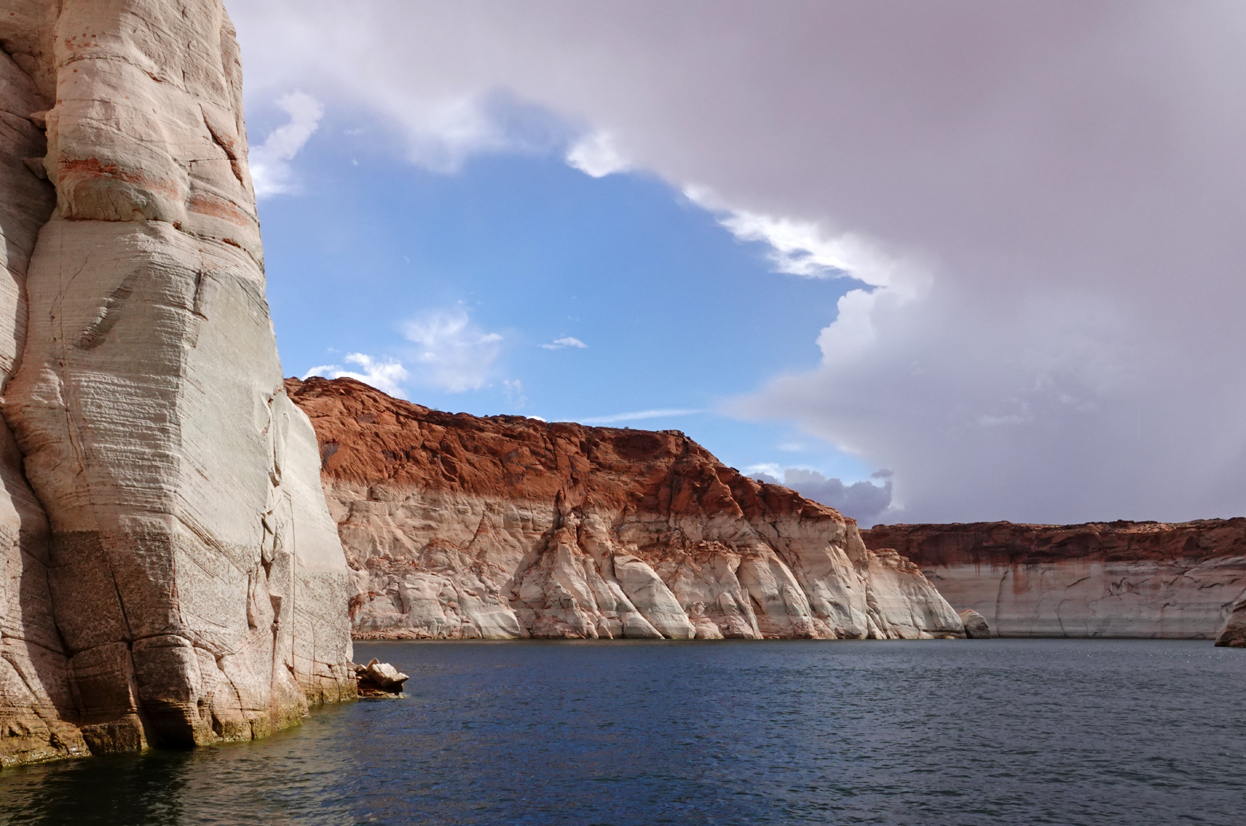
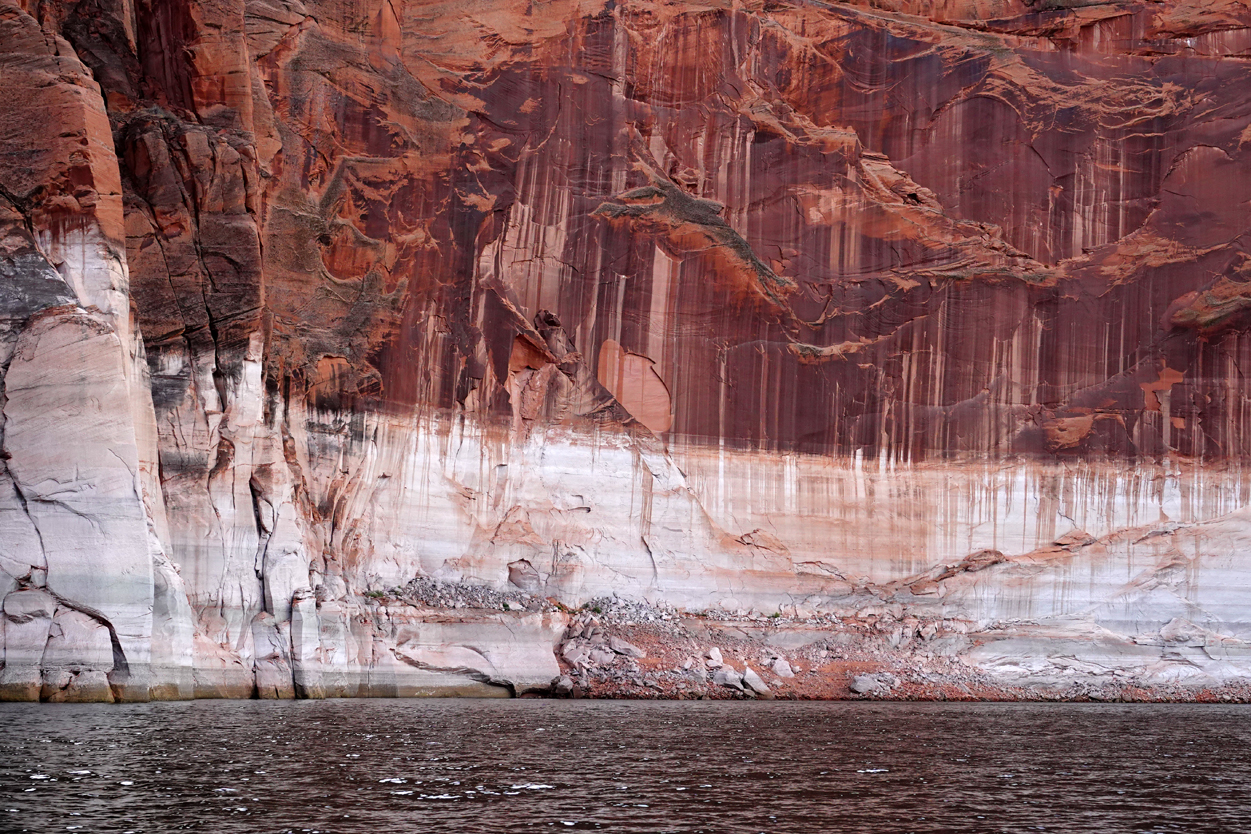
&spspspsp;Sandstone cliffs, clouds  -  Navajo Canyon, Lake Powell, Glen Canyon National Recreation Area, Arizona --- Norman’s Note: The boundary between the red and white sandstone shows the Full Pool level of Lake Powell, which was last reached in 1999.  At the time of our cruise, the water level was down 154 feet from Full Pool.&spspspsps;The Tapestry (desert varnish on a sandstone cliff)  -  Navajo Canyon, Lake Powell, Glen Canyon National Recreation Area, Arizona


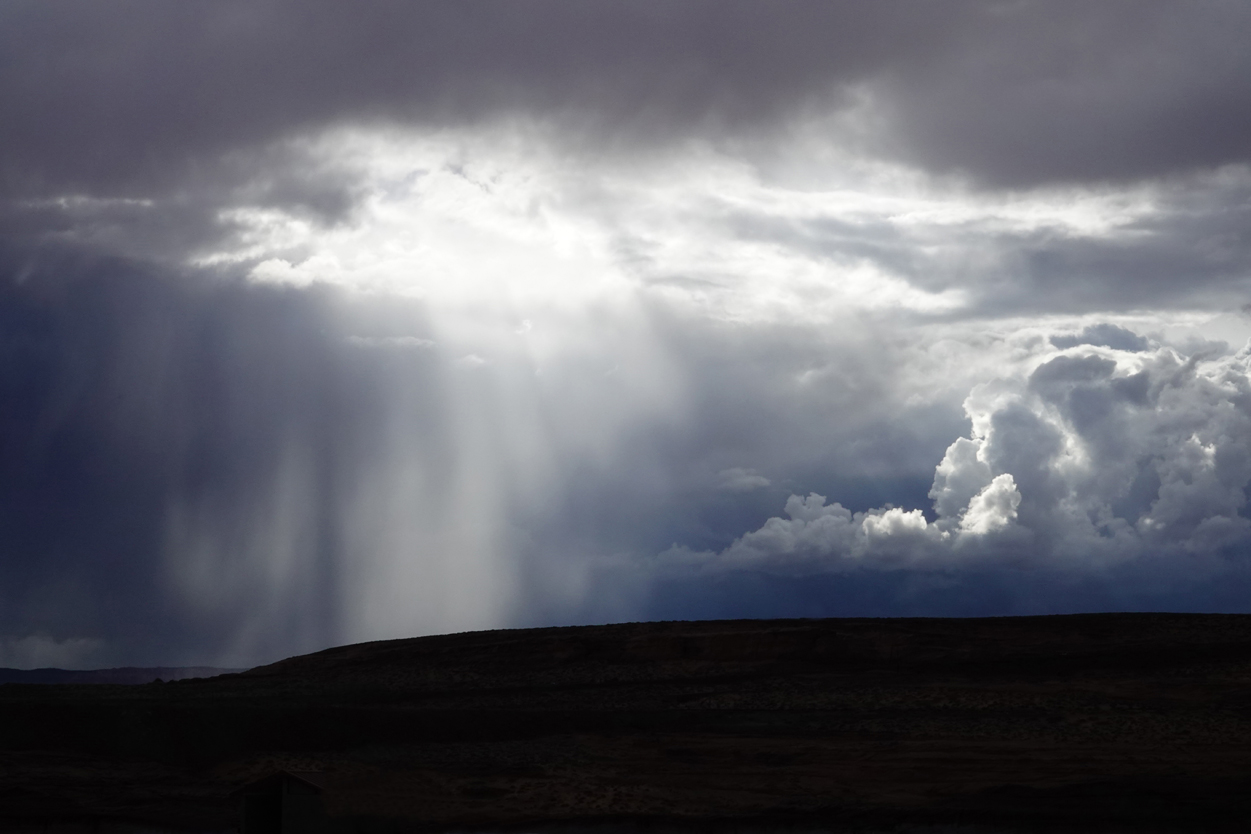
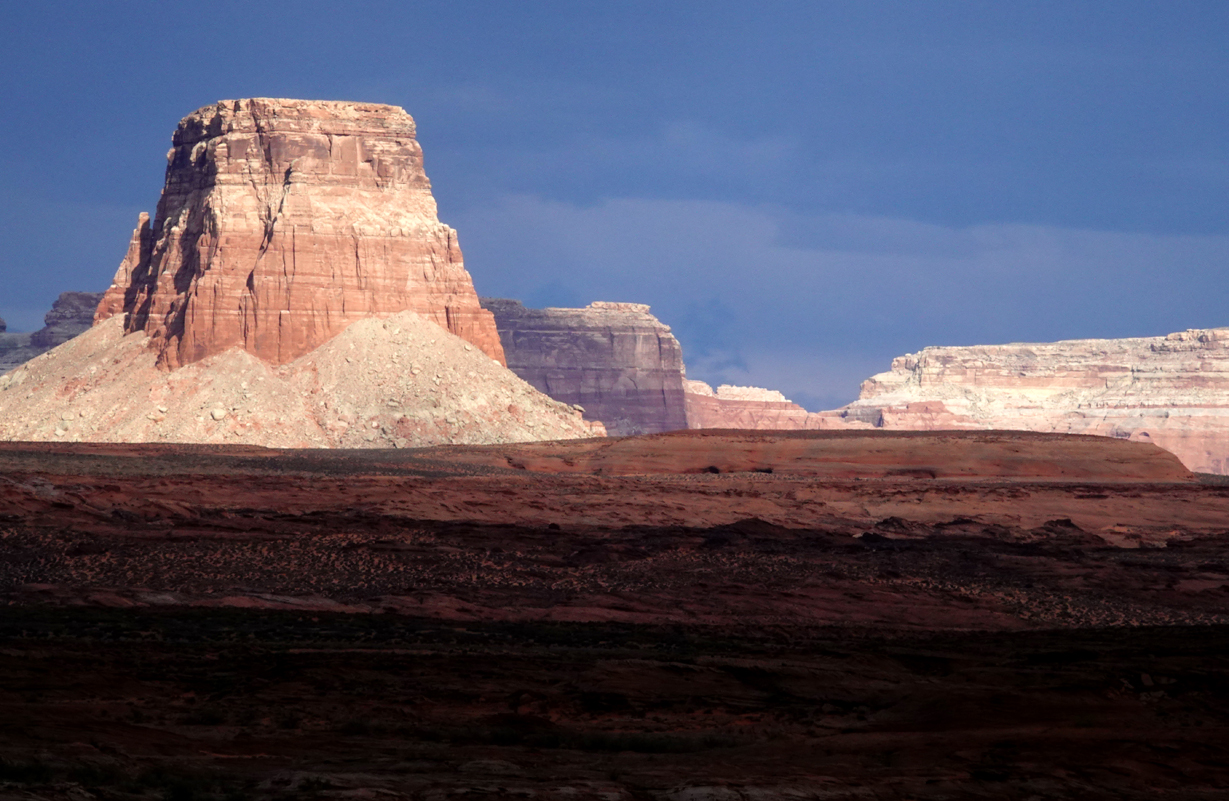
&spspspsp;Rainstorm, interplay of clouds and light  -  The Chains, Glen Canyon National Recreation Area, Arizona --- Norman’s Note: “The Chains” is an area adjacent to the section of Lake Powell that is closest to the Glen Canyon Dam. The name comes from a chain of buoys that prevent watercraft from getting too close to the dam.&spspspsps;Tower Butte, approaching rainstorm  -  Antelope Point Marina, Glen Canyon National Recreation Area, Arizona

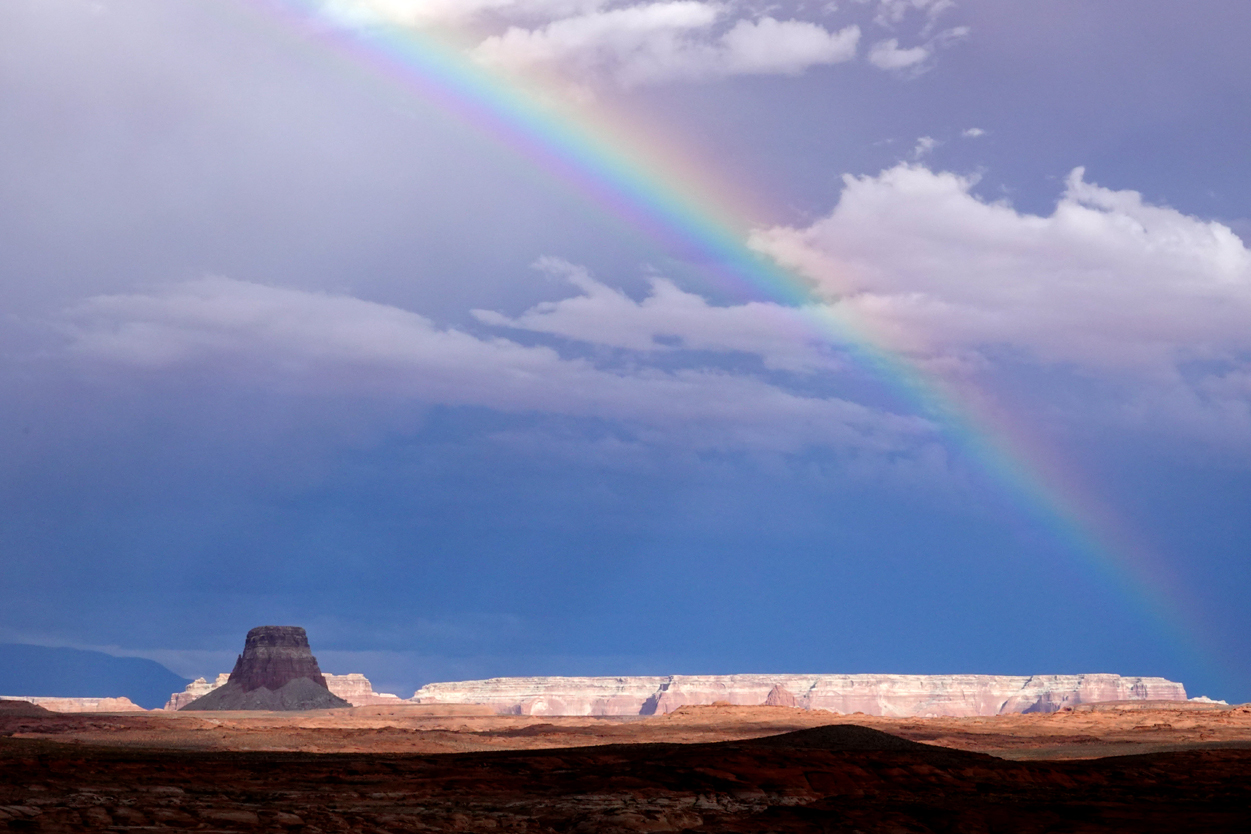
Tower Butte, rainbow  -  Antelope Point Marina, Glen Canyon National Recreation Area, Arizona

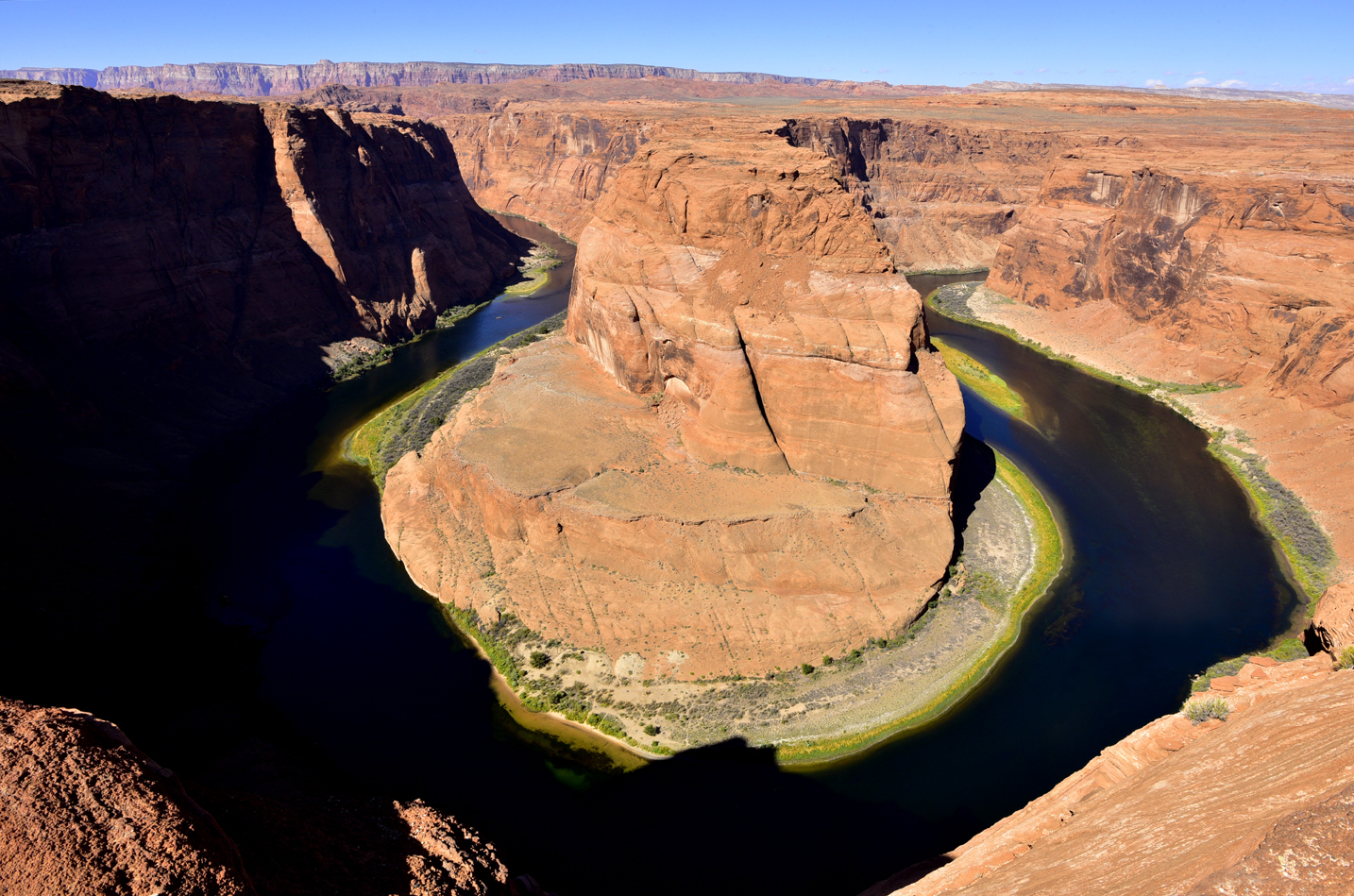
Horseshoe Bend (of the Colorado River)  -  Glen Canyon National Recreation Area, Arizona


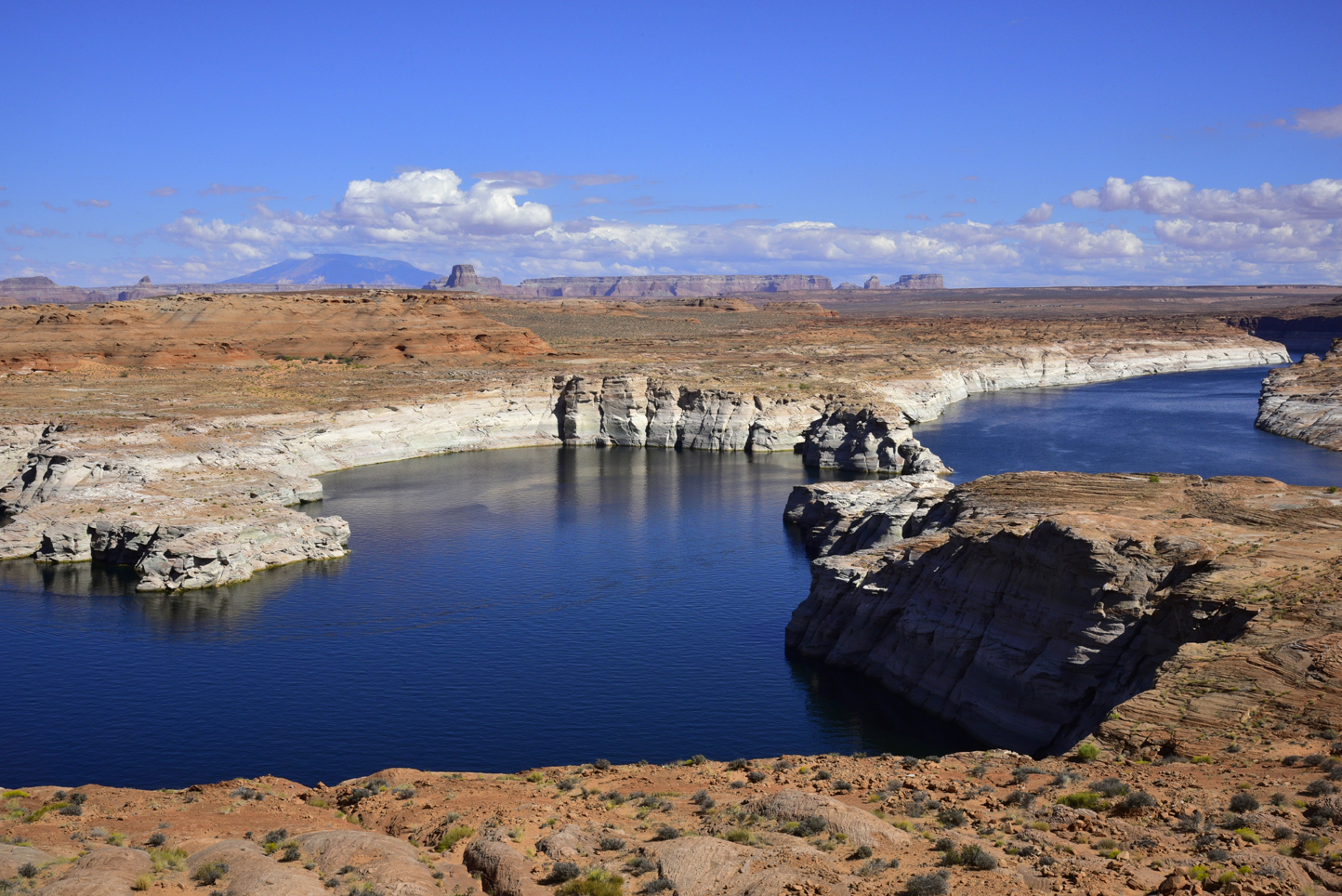
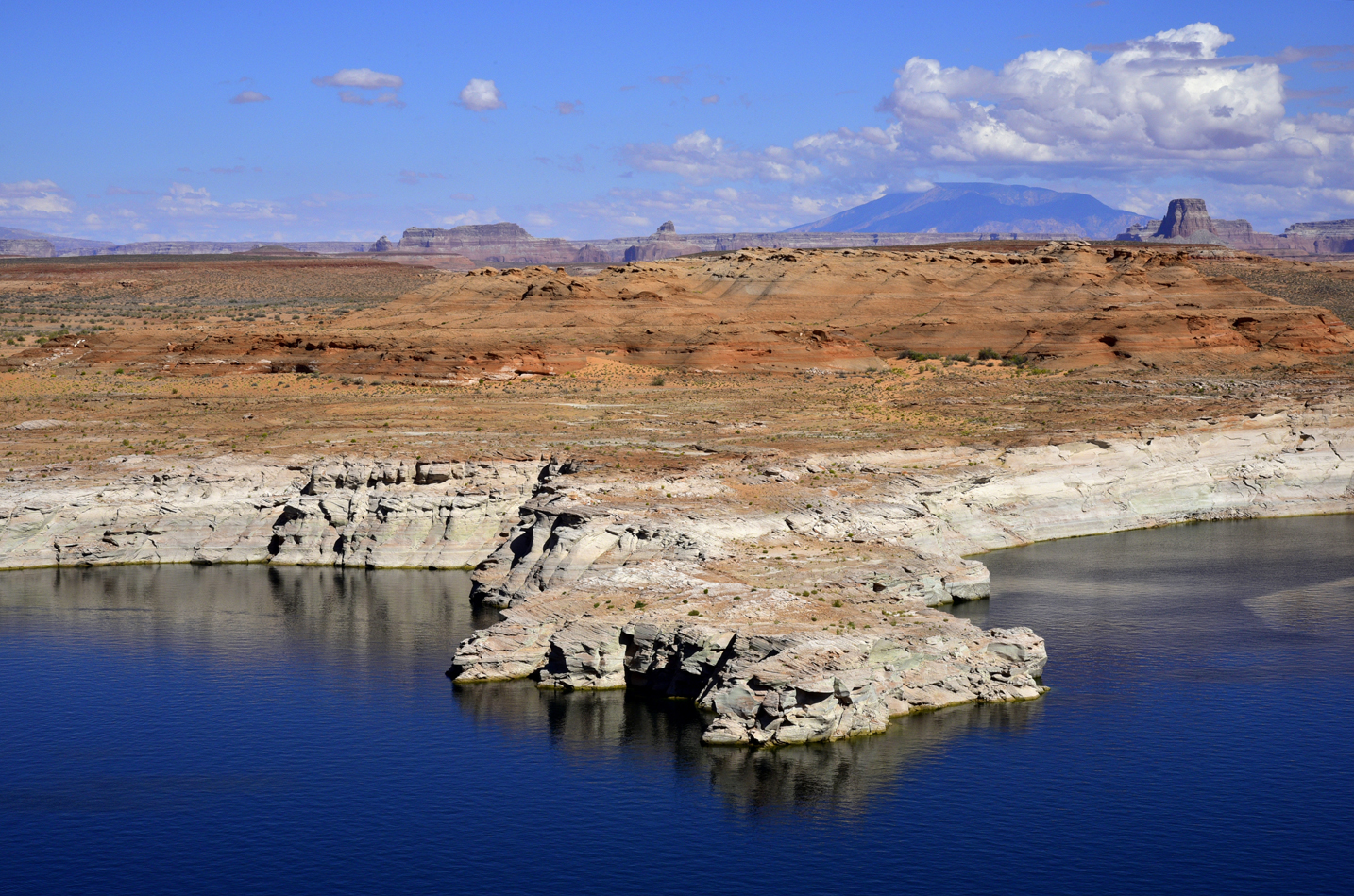
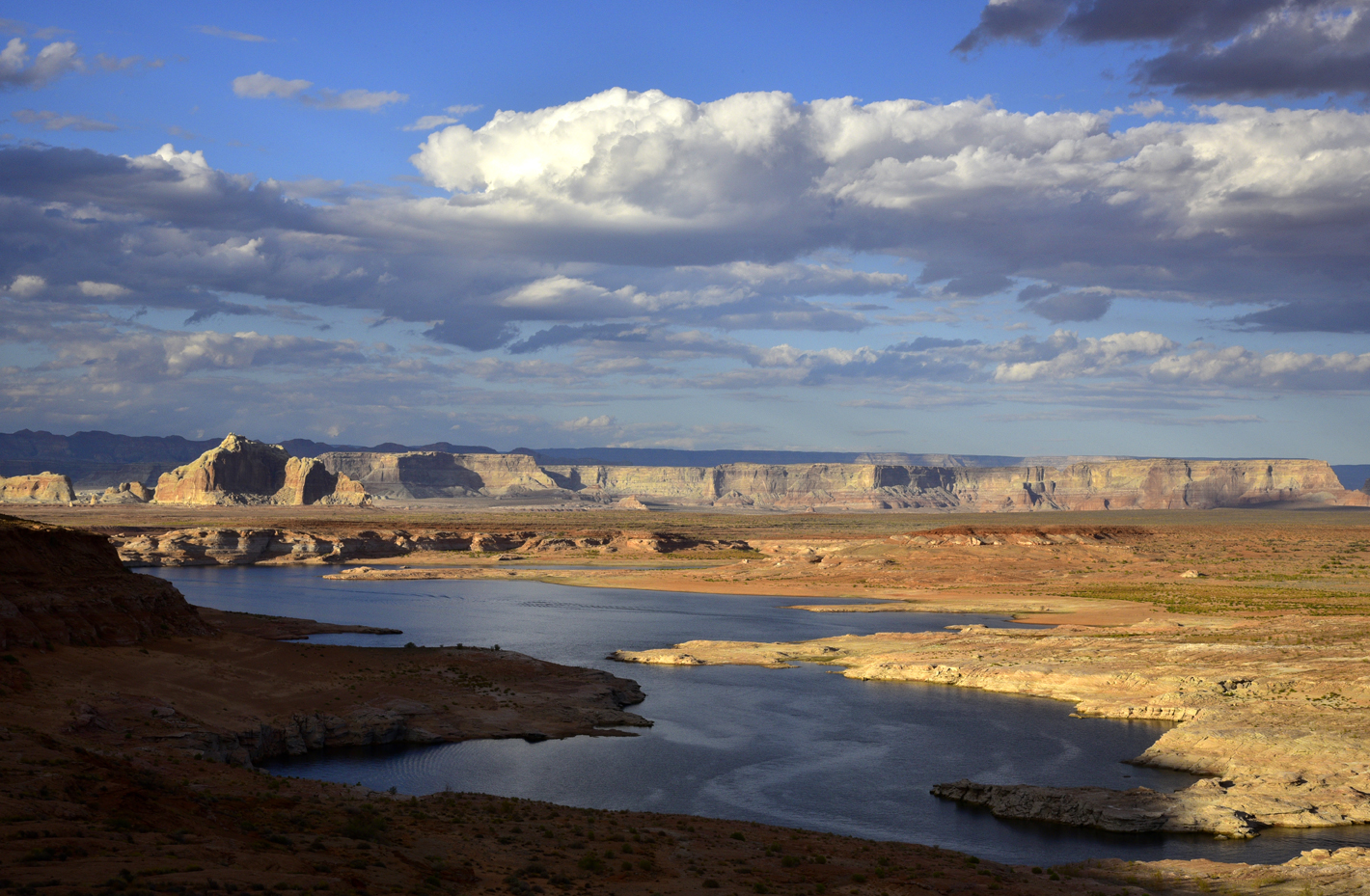
&spspspsp;Lake Powell  -  Lakeshore Drive, Glen Canyon National Recreation Area, Arizona &spspspsps;Lake Powell  -  Lakeshore Drive, Glen Canyon National Recreation Area, Arizona

Late-day light on Lake Powell  -  Lakeshore Drive, Glen Canyon National Recreation Area, Arizona

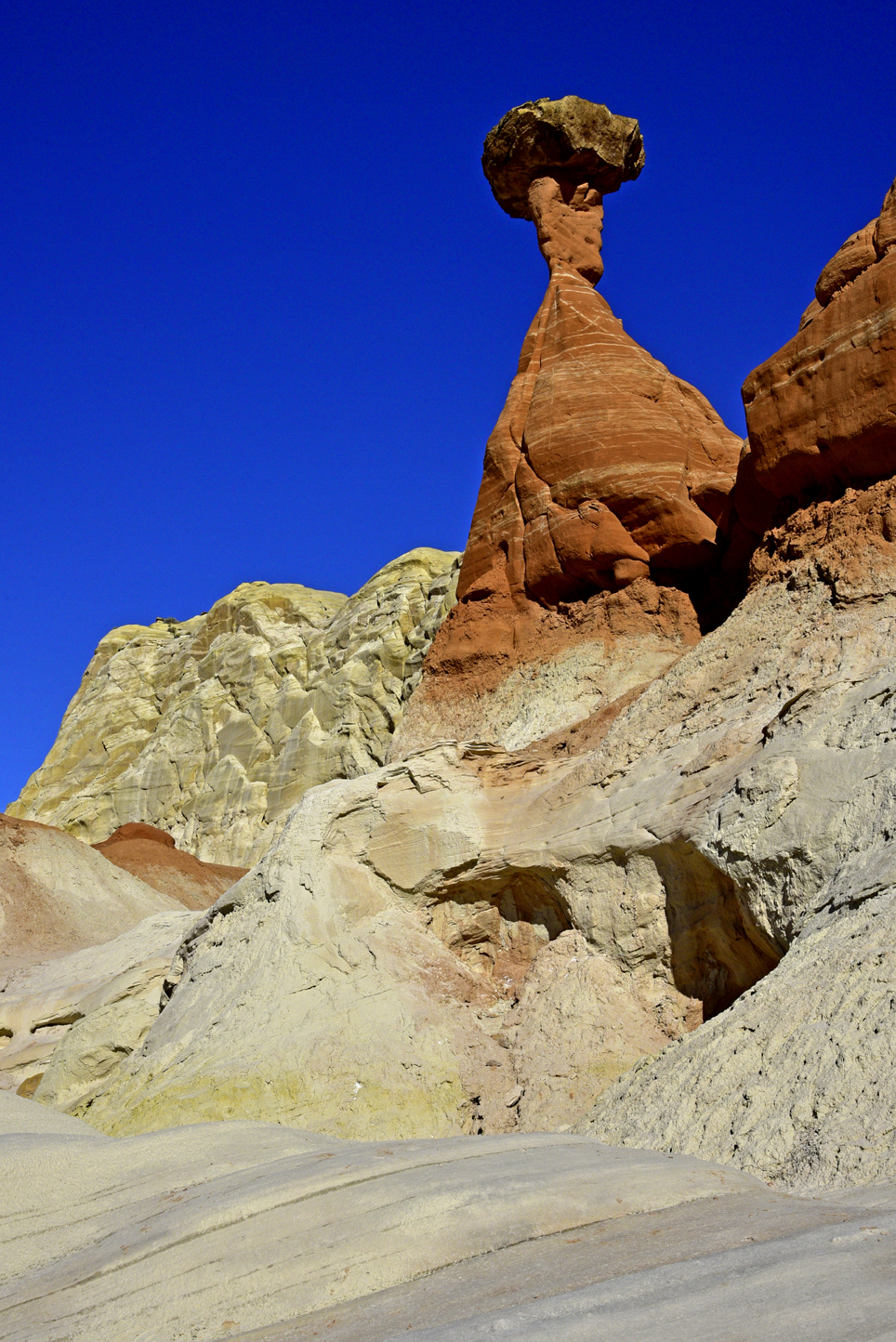
Toadstool  -  Toadstools Trail, Grand Staircase-Escalante National Monument, Utah


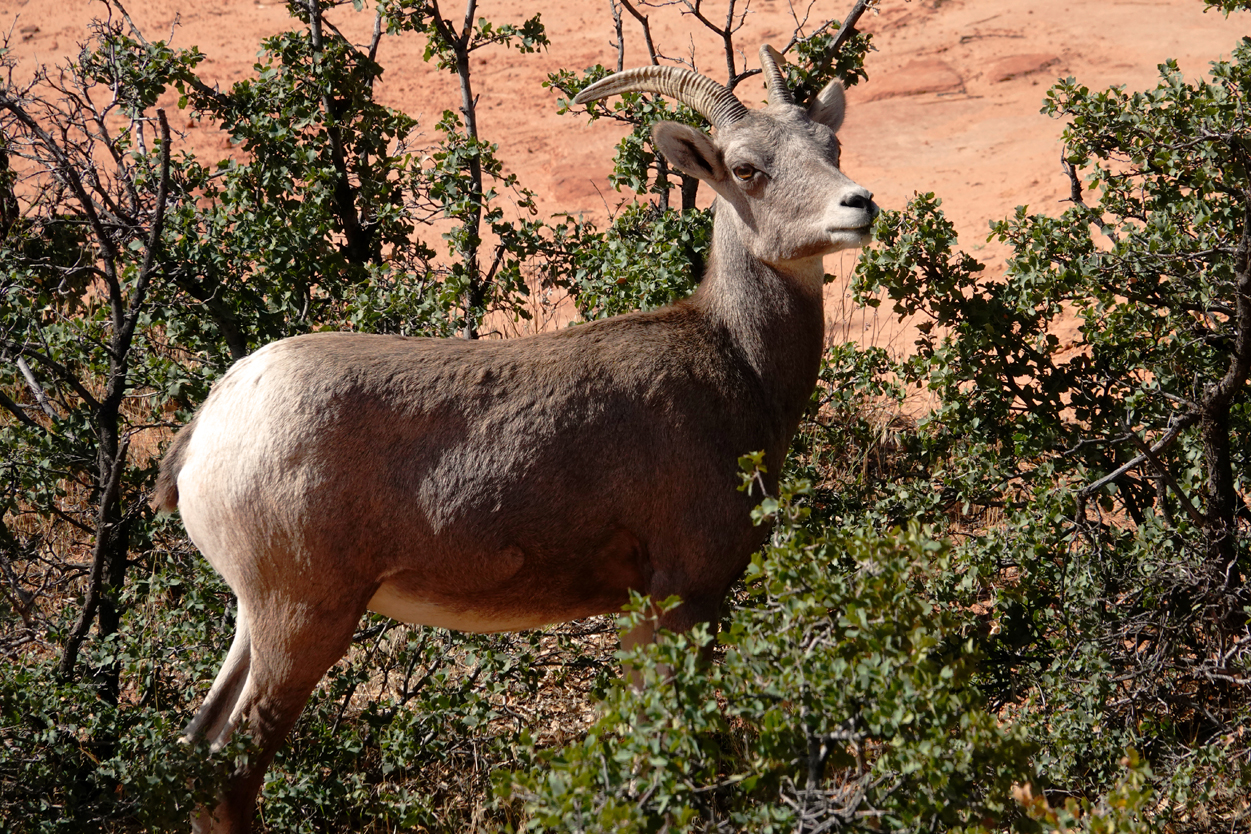
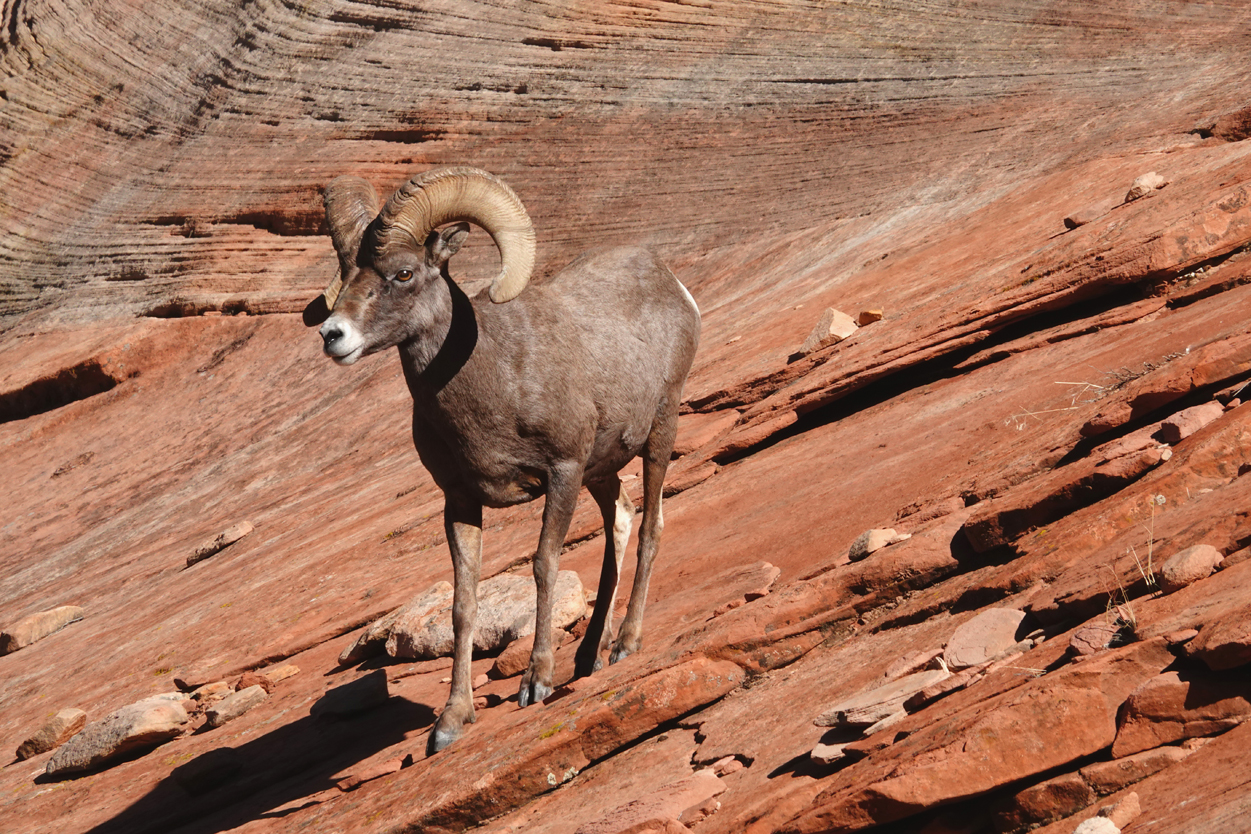
&spspspsp;Bighorn sheep ewe  -  Zion - Mount Carmel Highway, Zion National Park, Utah --- Norman’s Note: This ewe, pausing from noshing on vegetation, was one of a group of a half-dozen or so females.  They were in a different location from the two rams.&spspspsps;Bighorn sheep ram  -  Zion - Mount Carmel Highway, Zion National Park, Utah --- Norman’s Note: This was one of two rams we saw descending a rocky slope.  They both appeared very healthy, perhaps preparing for the rut.  Jean and I have spent a good deal of time in Zion over the course of several visits.  This is the first time we’ve ever seen bighorn sheep there.

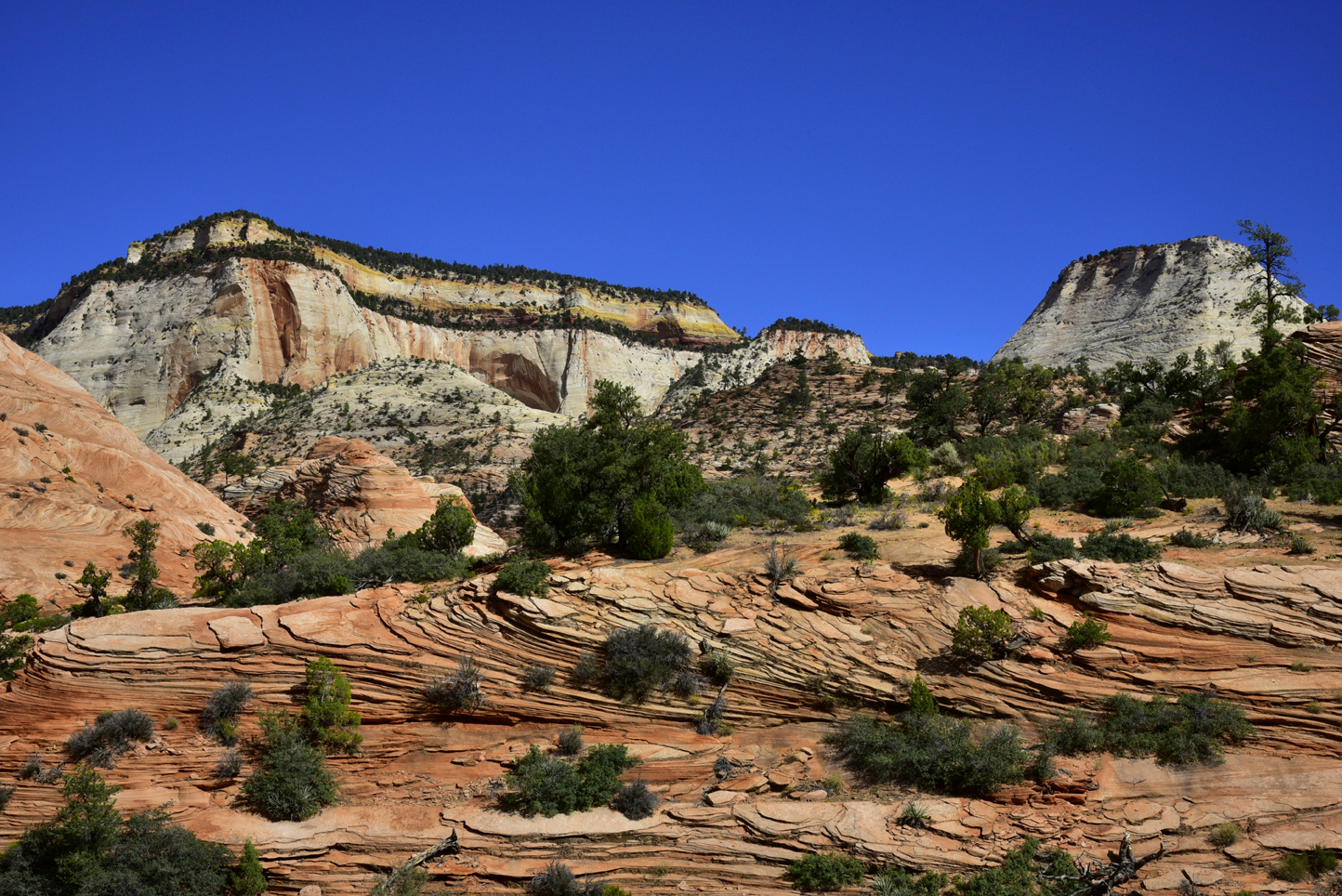
Sandstone formations  -  Zion - Mount Carmel Highway, Zion National Park, Utah


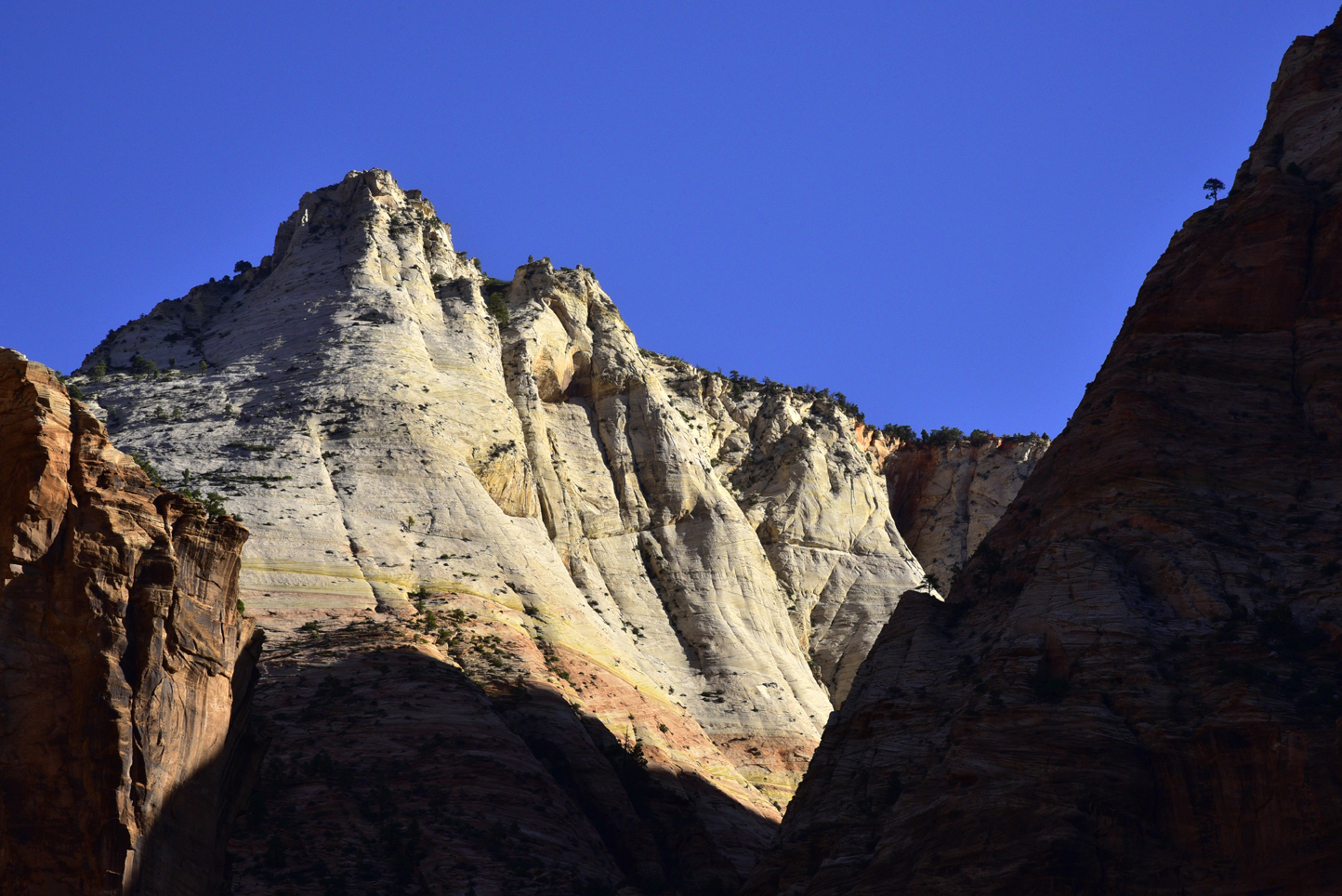
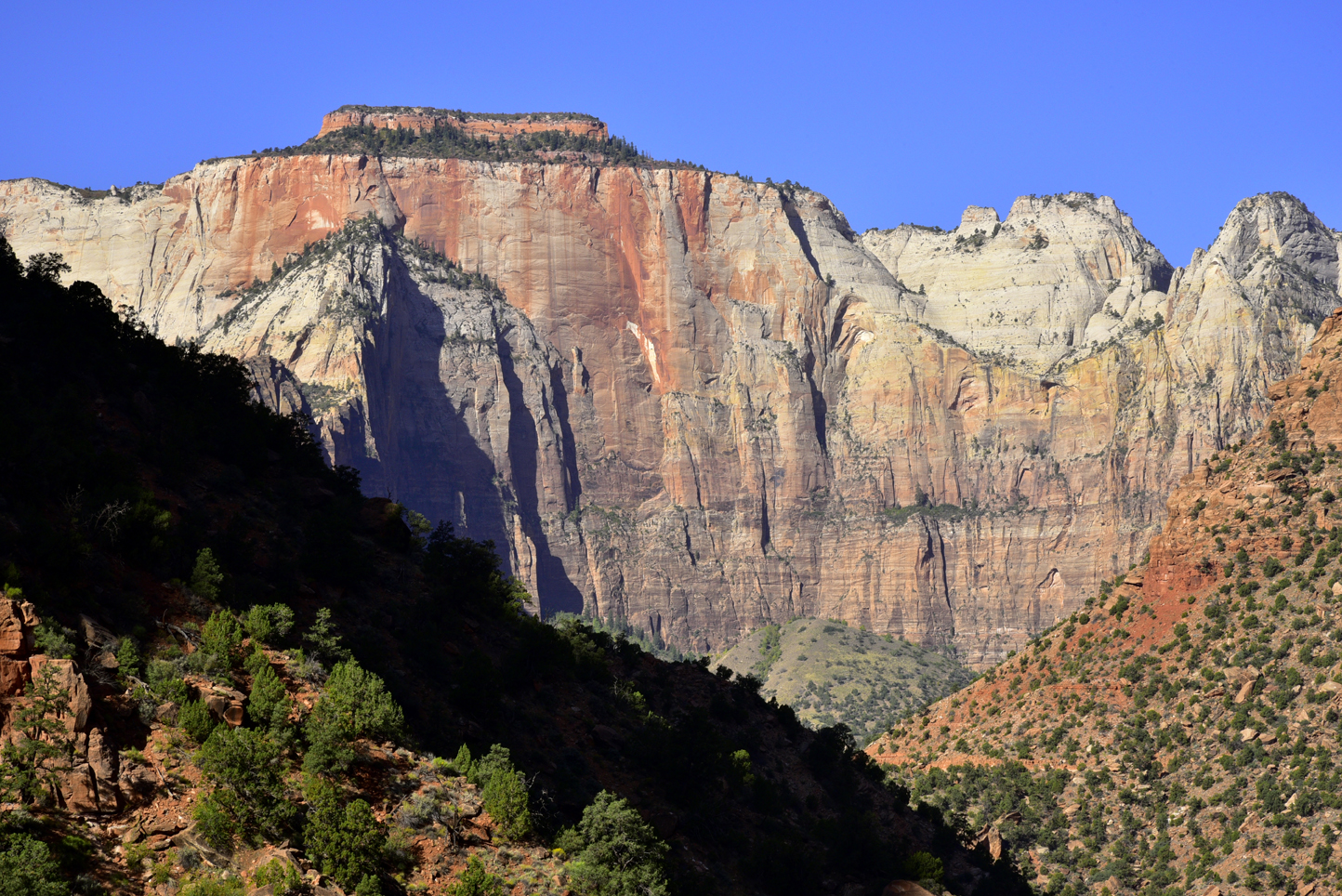
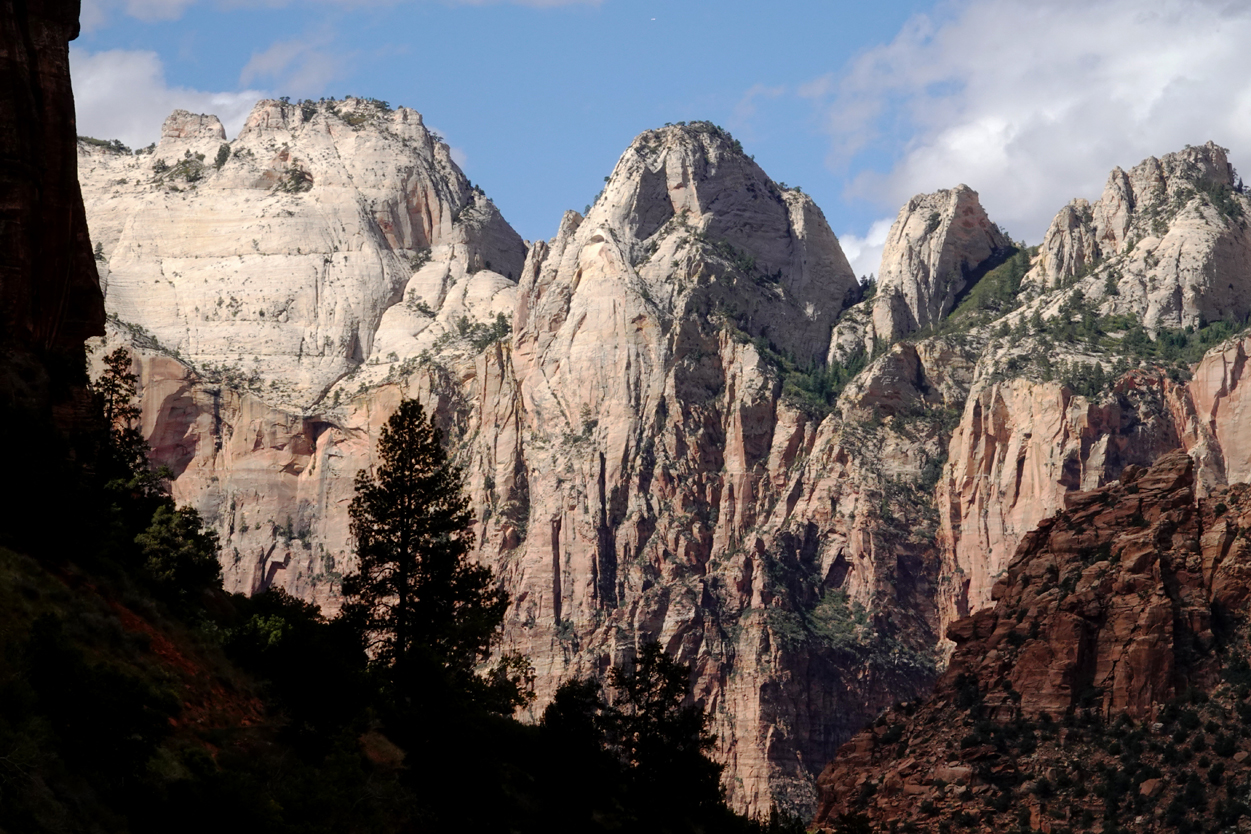
&spspspsp;Canyon walls  -  Zion - Mount Carmel Highway, Zion National Park, Utah&spspspsps;West Temple  -  Zion - Mount Carmel Highway, Zion National Park, Utah --- Norman’s Note: West Temple at 7,810 feet is the highest point in Zion National Park.


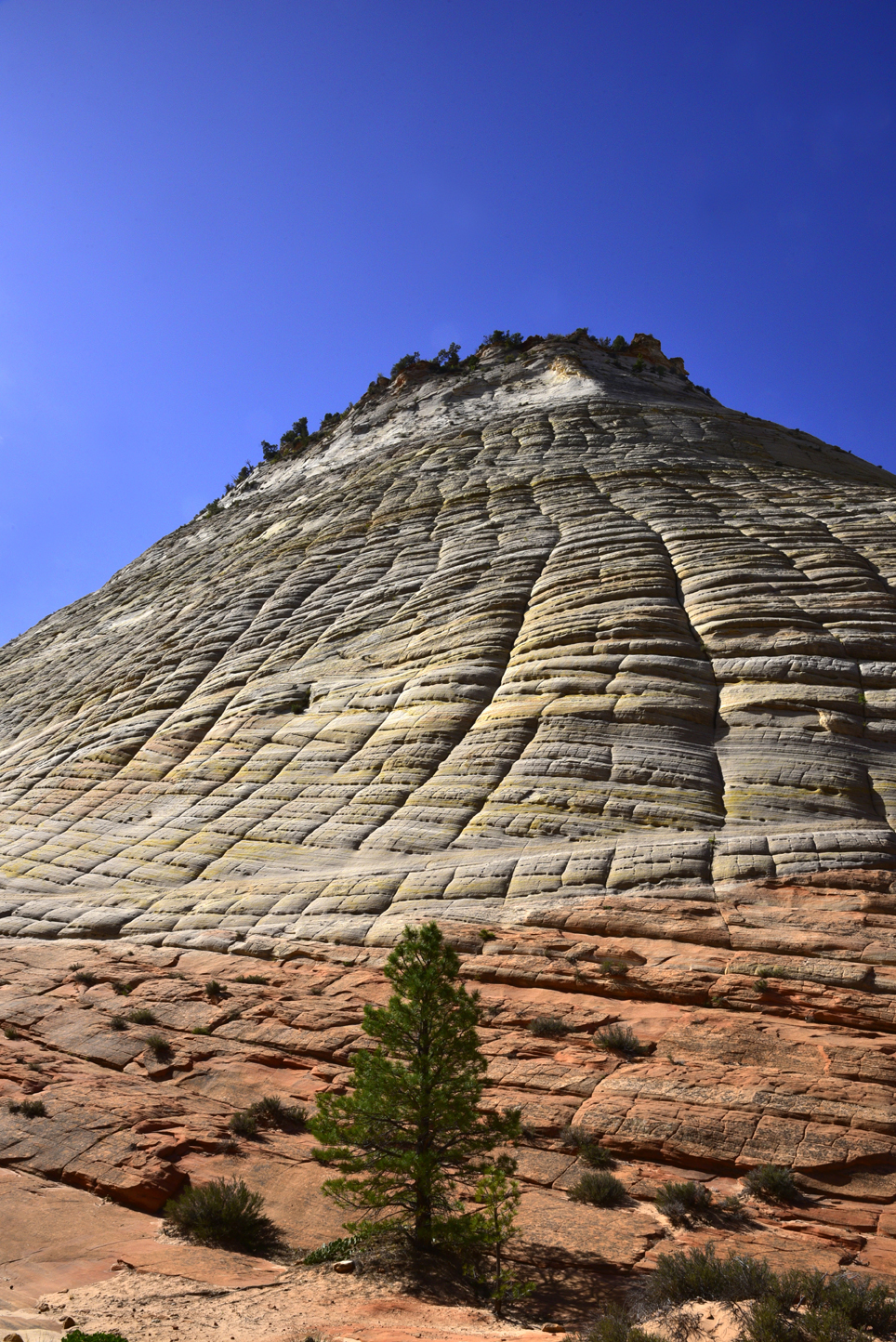
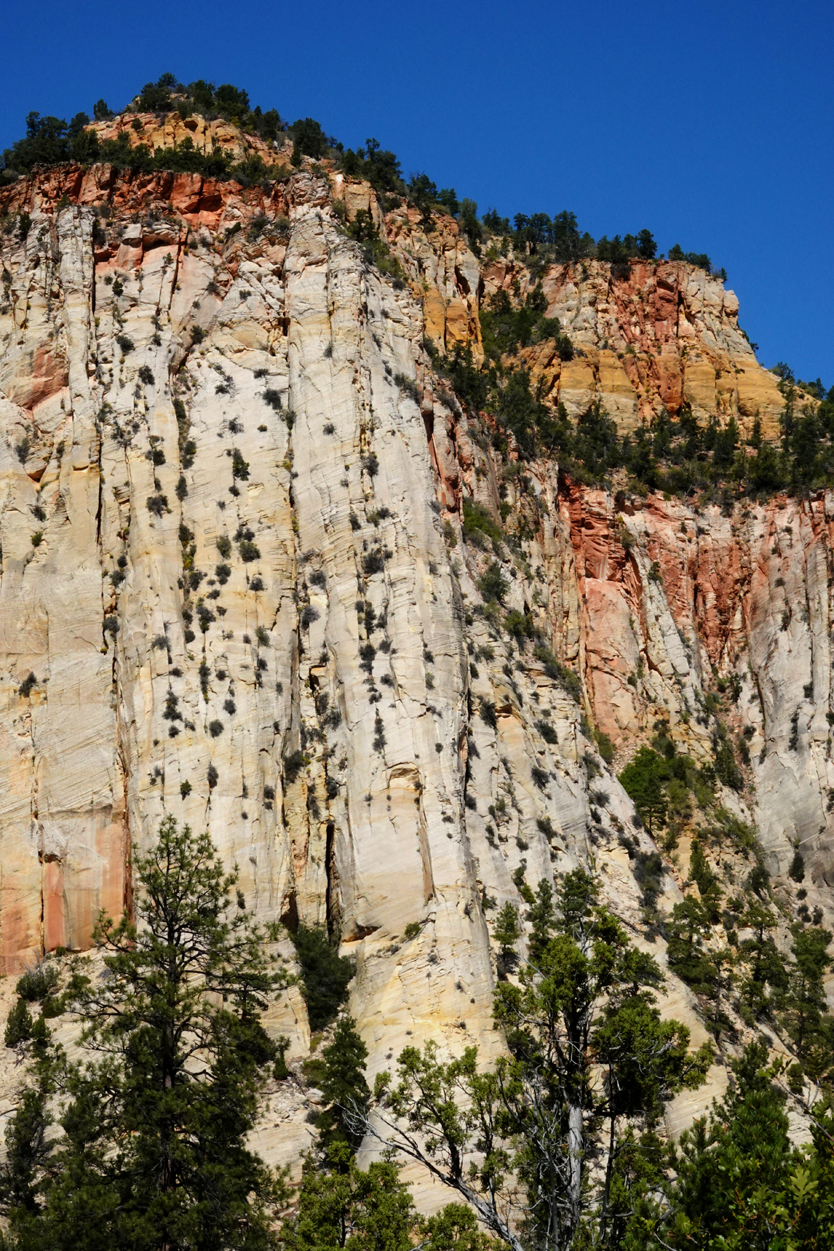
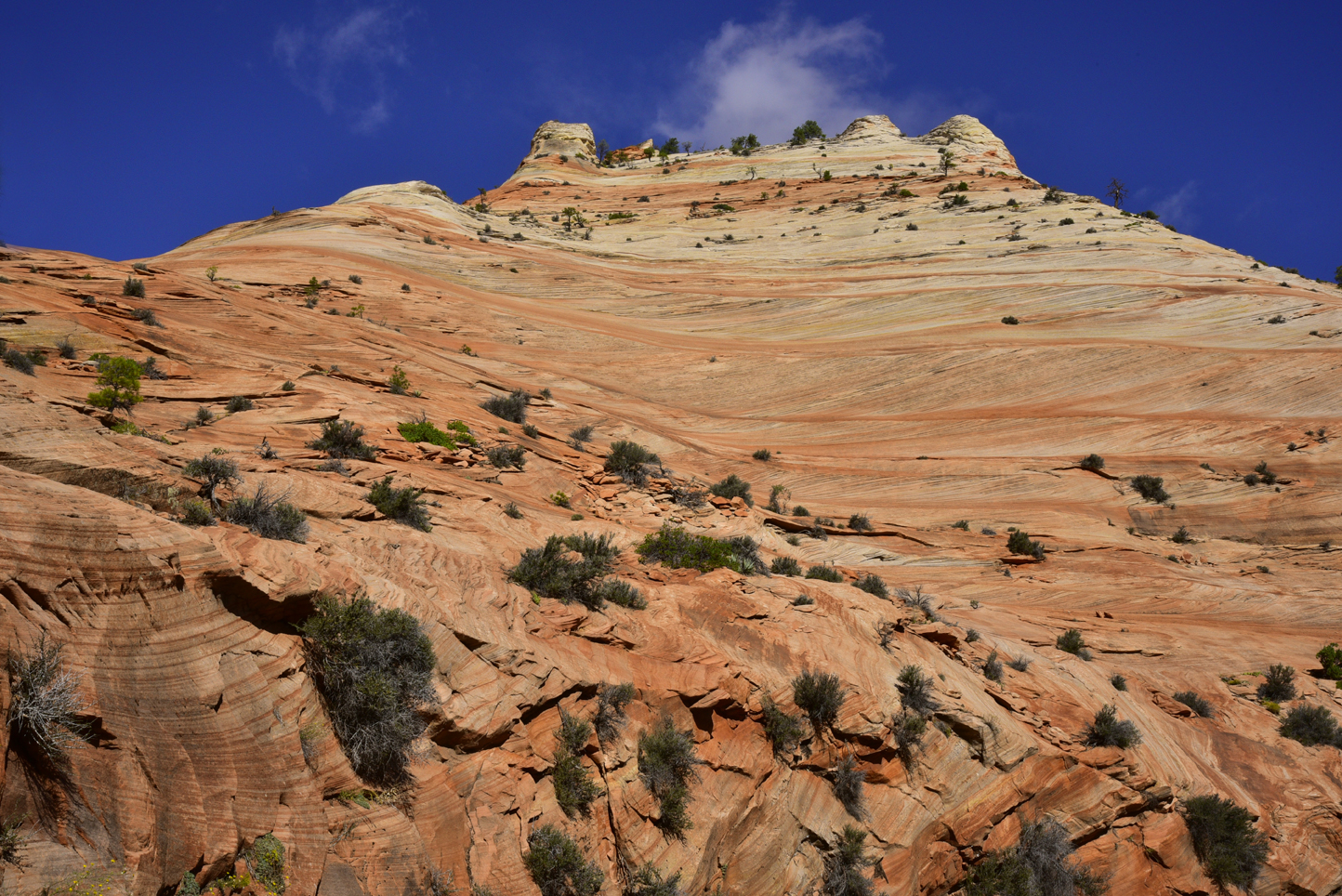
&spspspspspspspsps;Checkerboard Mesa  -  Zion - Mount Carmel Highway, Zion National Park, Utah&pspspspsps;Vegetation-pocked sandstone wall  -  Zion - Mount Carmel Highway, Zion National Park, Utah


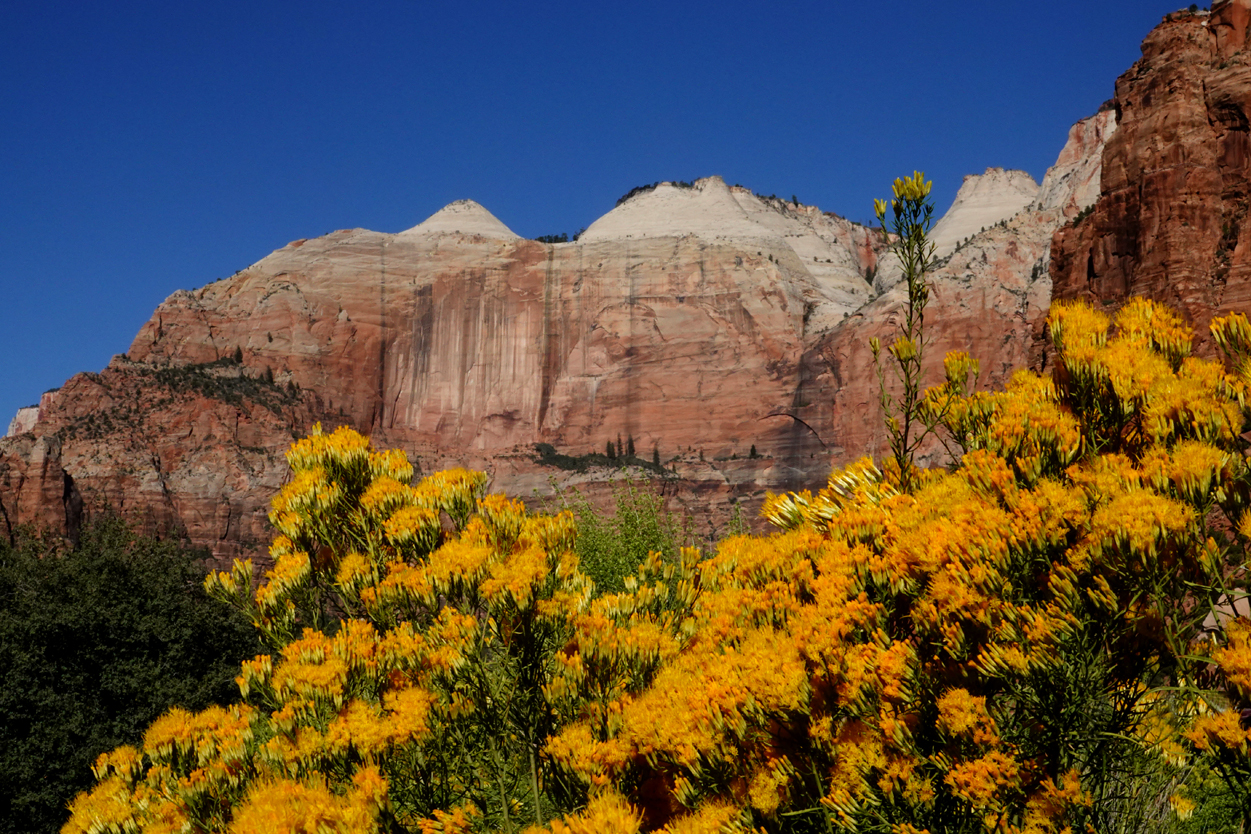
&spspspsp;Rabbitbrush, walls of Zion Canyon  -  Zion - Mount Carmel Highway, Zion National Park, Utah&spspspsps;Silhouetted conifers, white cliffs  -  Zion - Mount Carmel Highway, Zion National Park, Utah


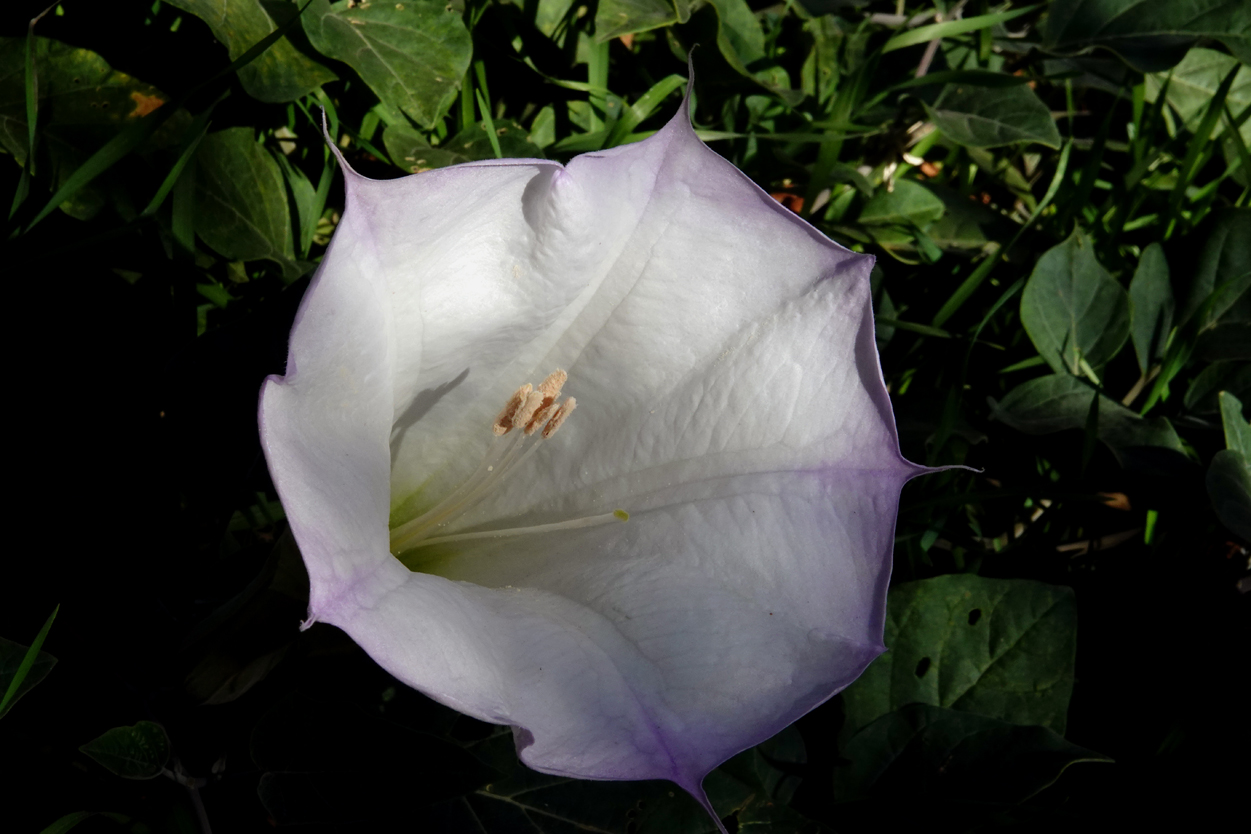
&spspspsp;Sacred datura  -  Zion - Mount Carmel Highway, Zion National Park, Utah&spspspsps;Sandstone ridge  -  Zion - Mount Carmel Highway, Zion National Park, Utah


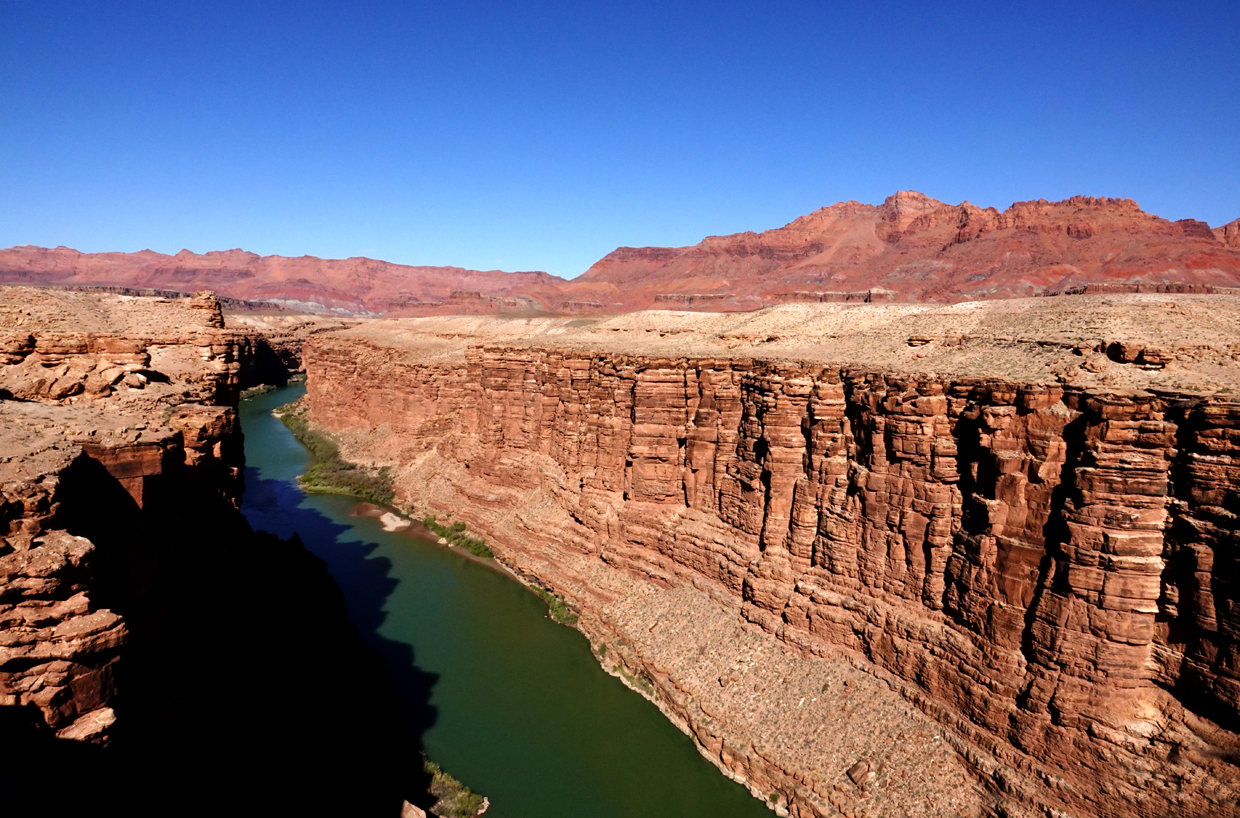
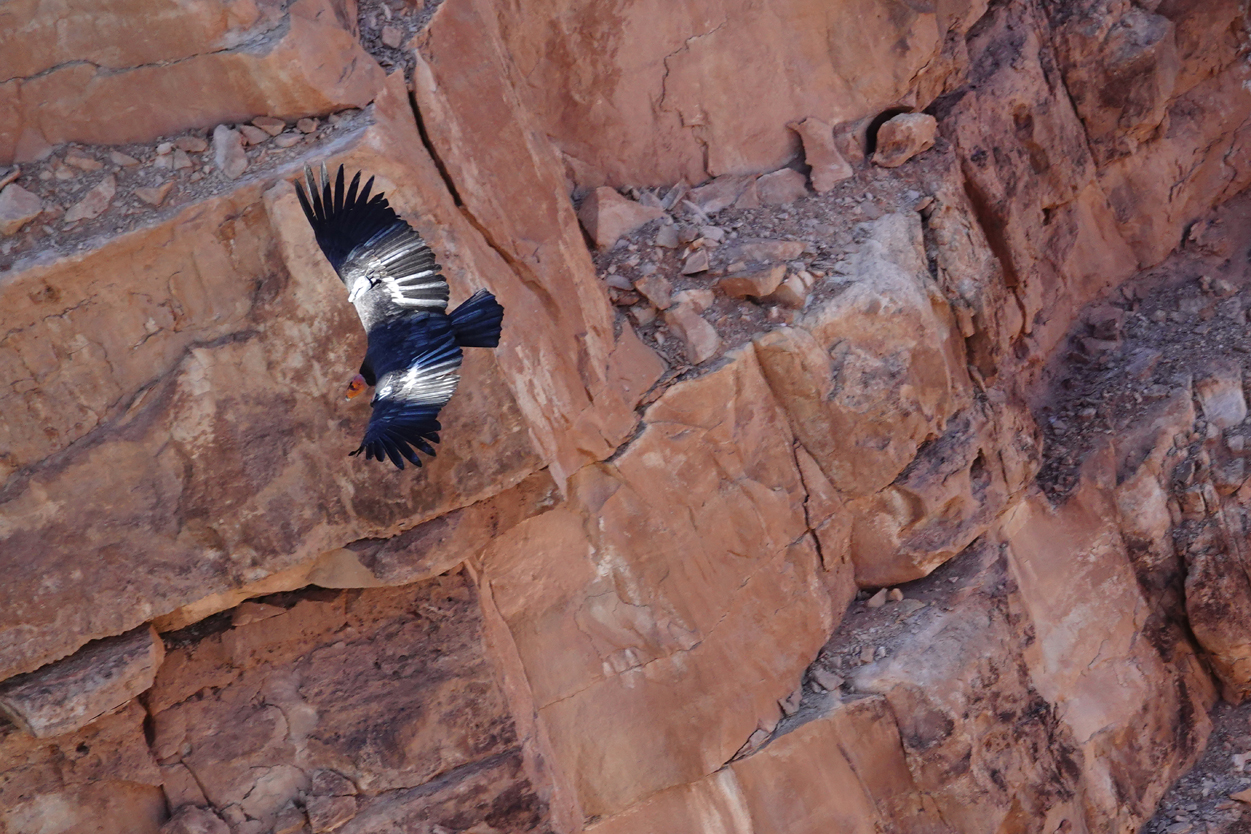
&spspspsp;Colorado River  -  Navajo Bridge, Coconino County, Arizona --- Norman’s Note: This view of the Colorado River at 467 feet below was taken from the original steel span completed in 1929.  It is now a pedestrian-only bridge.&spspspsps;California Condor #V3 in flight above the Colorado River  -  Navajo Bridge, Coconino County, Arizona --- Norman’s Note: Back from near extinction, it was a privilege to see these seven-foot-wingspan birds.  Still very much protected, each member of the species is assigned an identifying letter and number, along with a radio transmitter for tracking.

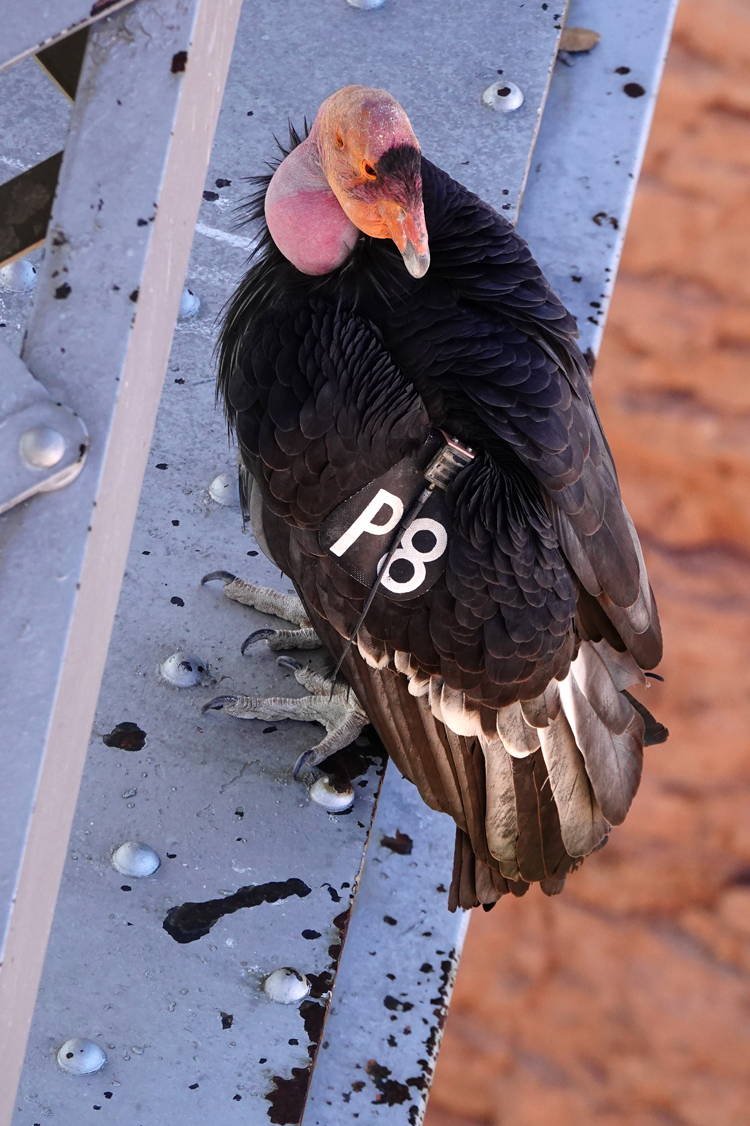
California Condor #P8  -  Navajo Bridge, Coconino County, Arizona --- Norman’s Note: This condor was taking a break from preening while on the support structure for the original bridge.  I normally exclude man-made objects from my photographs. But I made an exception to get this image of such a rare bird in the wild. (At the end of 2024, there were only 369 wild, free-flying condors in existence.)

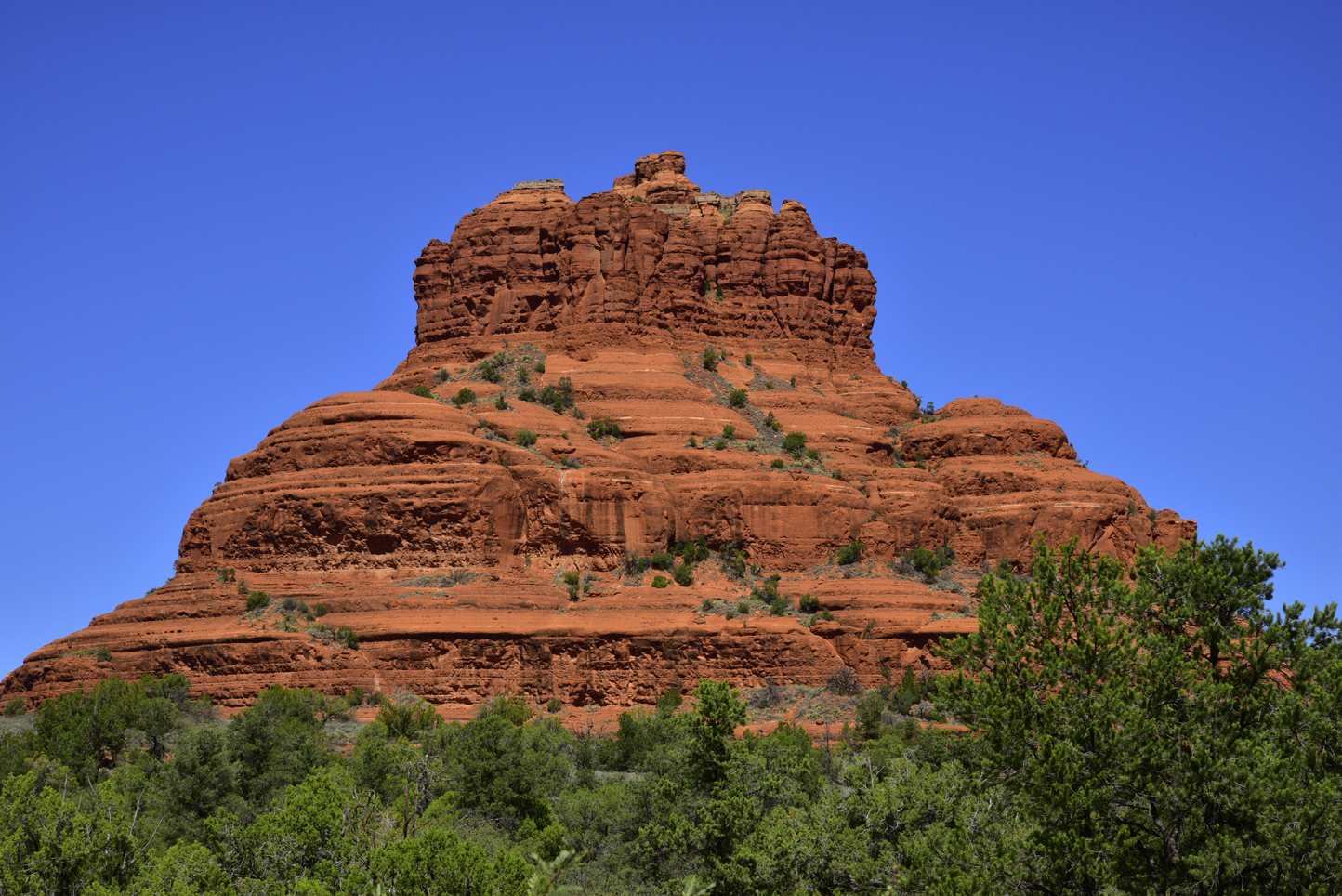
Bell Rock  -  Bell Rock Vista Trailhead, Red Rock Ranger District, Coconino National Forest, Arizona


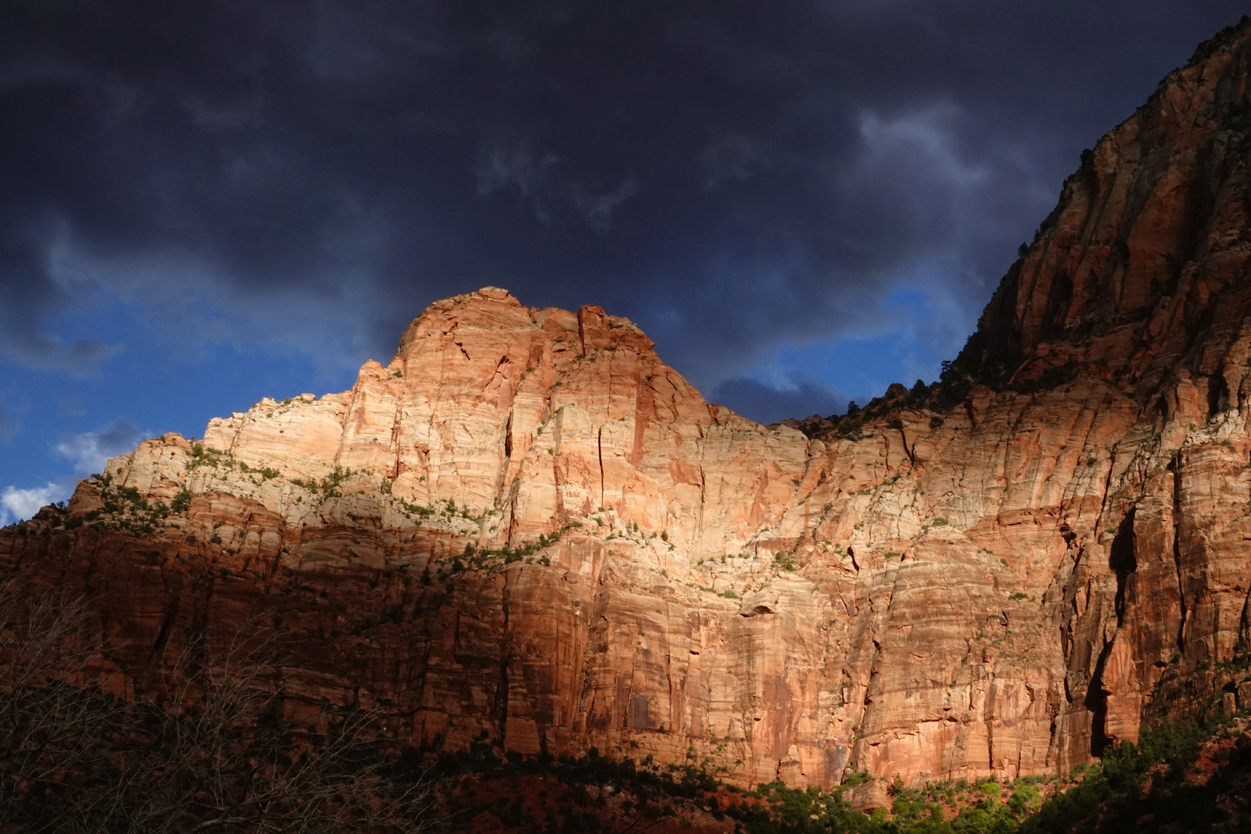
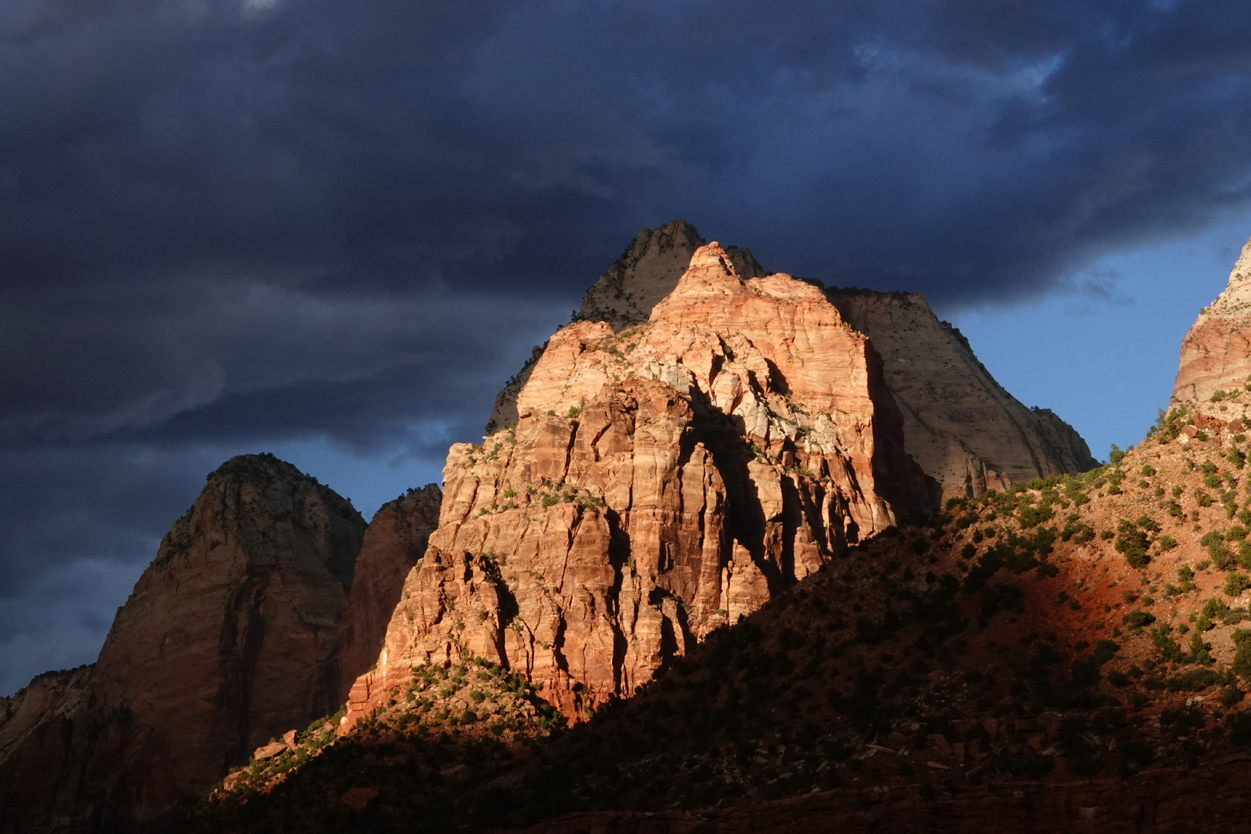
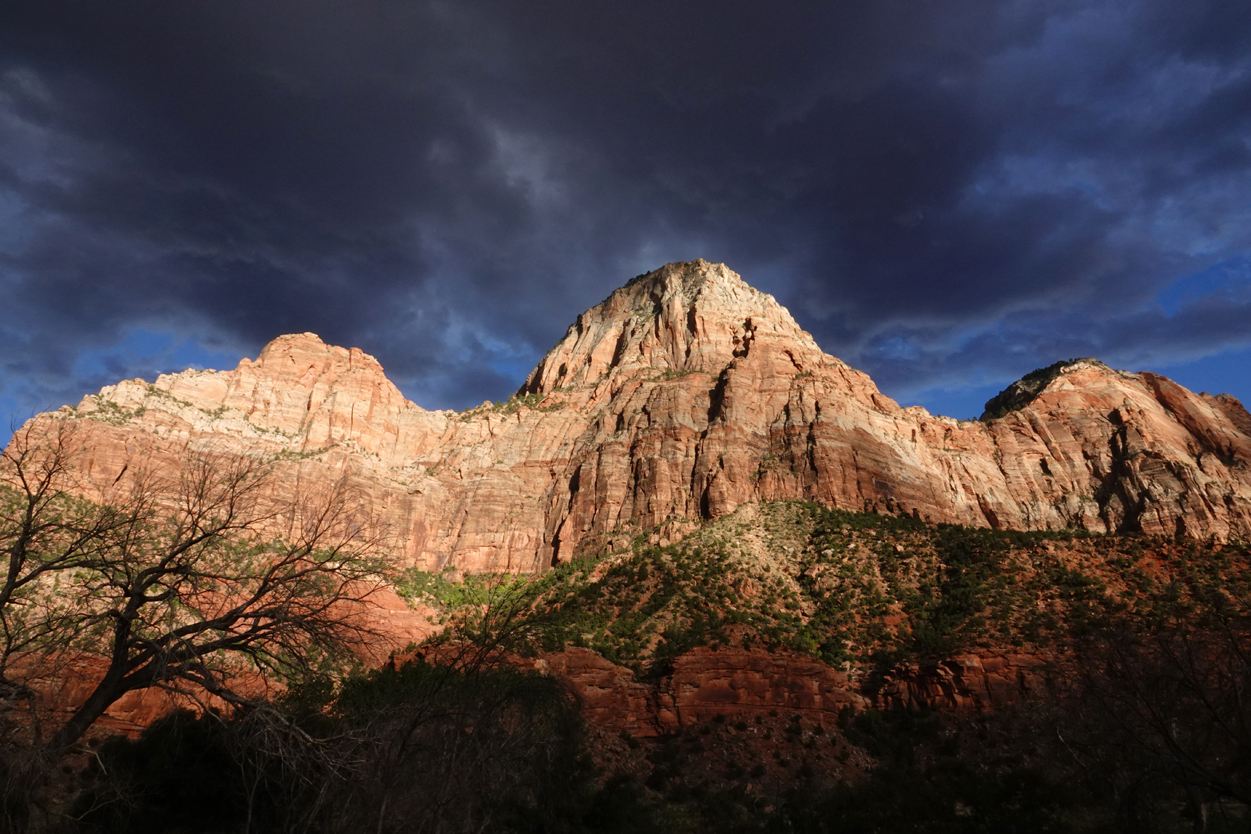
“The Light Show”

During our time in Zion National Park, Jean and I witnessed a remarkable light show,
quite unlike anything we’ve ever seen before. Below are several images from this special experience.
 
If you would like to read about this inspiring “event” and view more photographs,
go to the INSIGHTS section and choose “131. The Light Fantastic.”
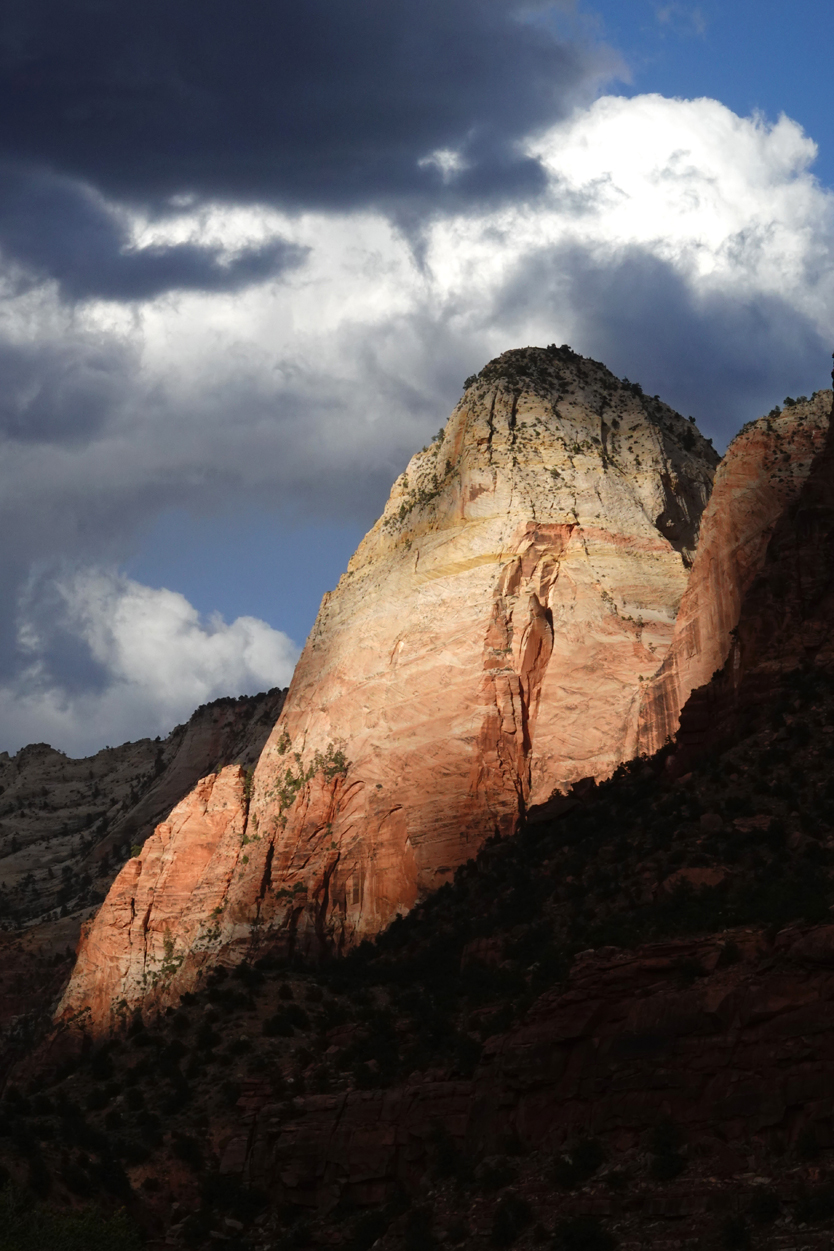
Late-day light on sandstone cliffs, storm clouds  -  from the Museum of Human History, Zion National Park, Utah


&spspspsp;Late-day light on sandstone cliffs, storm clouds  -  from the Museum of Human History, Zion National Park, Utah&spspspsps;Late-day light on sandstone cliffs, storm clouds  -  from the Museum of Human History, Zion National Park, Utah

Late-day light on sandstone cliffs, storm clouds  -  from the Museum of Human History, Zion National Park, Utah